ACELY1680
Use comprehension strategies to build literal and inferred meaning and begin to evaluate texts by drawing on a growing knowledge of context, text structures and language features
Elaborations
- making connections between the text and students own experience and other texts (Skills: Literacy, Critical and Creative Thinking, Personal and Social Capability)
- making connections between the information in print and images (Skills: Literacy, Critical and Creative Thinking)
- making predictions and asking and answering questions about the text drawing on knowledge of the topic, subject-specific vocabulary and experience of texts on the same topic (Skills: Literacy, Critical and Creative Thinking)
- using text features and search tools to locate information in written and digital texts efficiently (Skills: Literacy, Information and Communication Technology (ICT) Capability, Critical and Creative Thinking)
- determining important ideas, events or details in texts commenting on things learned or questions raised by reading, referring explicitly to the text for verification (Skills: Literacy, Critical and Creative Thinking)
- making considered inferences taking into account topic knowledge or a character's likely actions and feelings (Skills: Literacy, Critical and Creative Thinking)
- Plus Plan
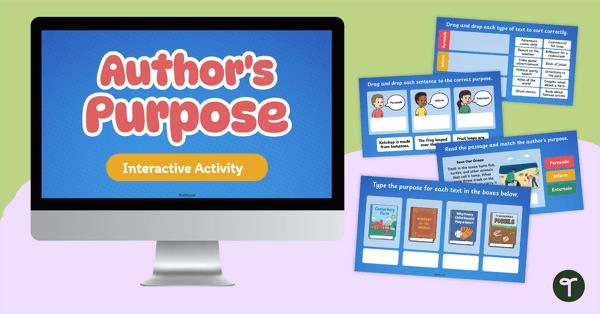
Author’s Purpose Activity - Digital Task Cards
Explore Author’s Purpose with this set of engaging and interactive Author’s Purpose Activity digital task cards.
- Plus Plan
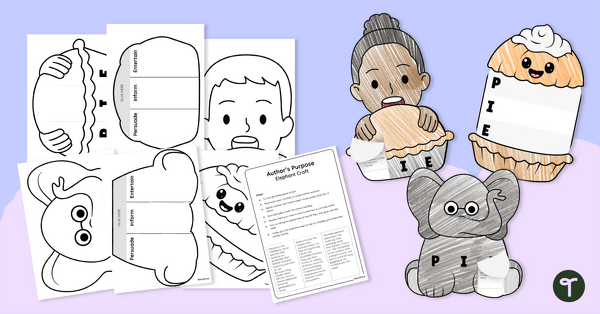
Authors Purpose Craft Bundle
Explore Author's Purpose with this fun and engaging set of Author's Purpose craft templates.
- Plus Plan
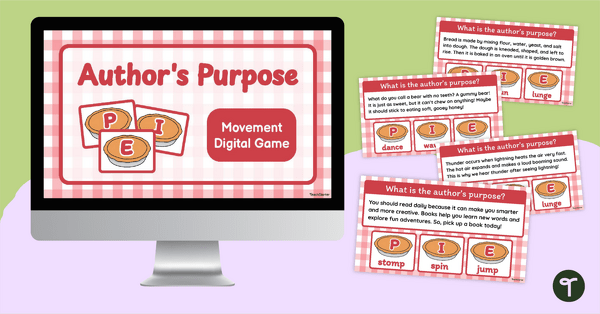
Author’s Purpose Game - Movement Activity
Explore Author’s Purpose in texts through movement using this fun and engaging Author’s Purpose Game.
- Plus Plan
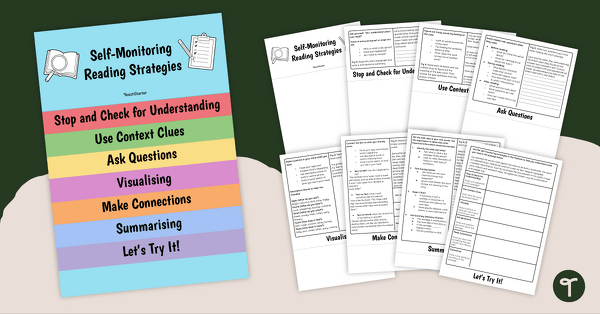
Self Monitoring Reading Comprehension Strategies Flipbook
Get students practising their self monitoring while reading skills with this activities flipbook.
- Plus Plan
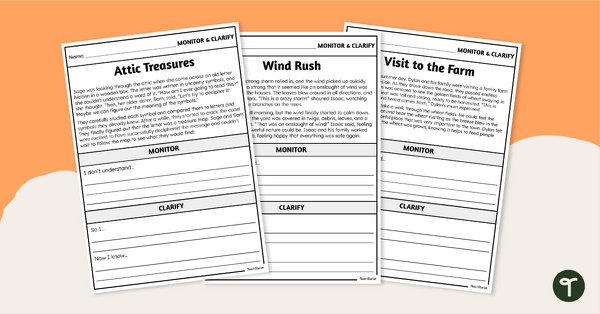
Monitor and Clarify Reading Strategy Worksheets
Help students monitor and clarify while reading using these Monitor and Clarify Reading Strategy Worksheets.
- Plus Plan
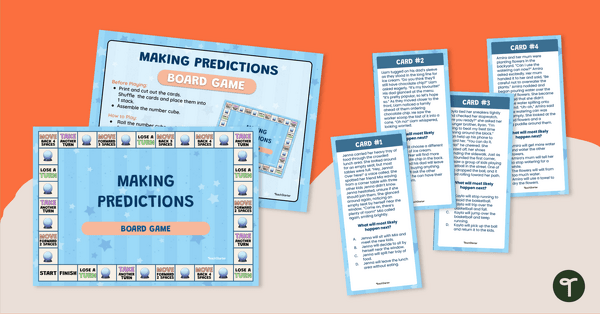
Making Predictions Game Board
Use this Making Predictions Game Board to engage students in making predictions with short text.
- Plus Plan
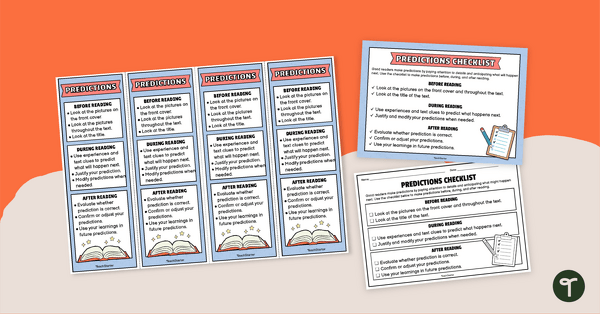
Making Predictions Before, During, After Reading Bookmark
Support student comprehension with these Making Predictions Before, During and After Bookmarks.
- Plus Plan
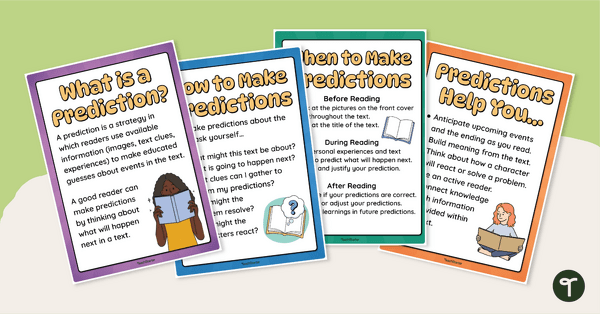
Making Predictions Poster Pack
Support student learning with these Making Predictions Posters explaining when and how to make predictions.
- Free Plan
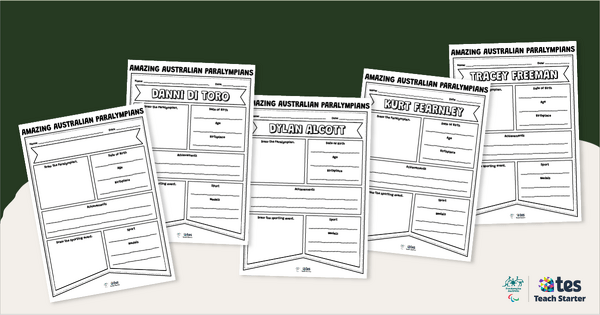
Australian Paralympic Athletes - Biography Banners
Bring the Paralympic Games to life with this set of Australian Paralympian Biography pennant templates.
- Plus Plan
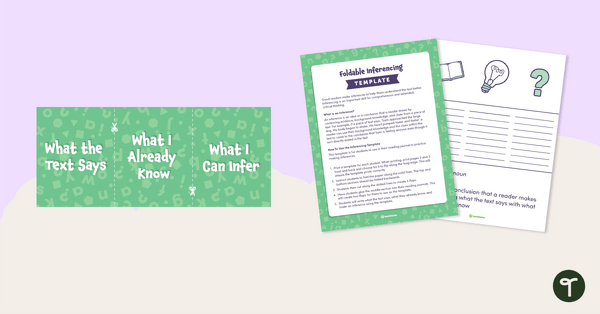
Foldable Inferencing Template
Practise making inferences with this foldable template.
- Plus Plan
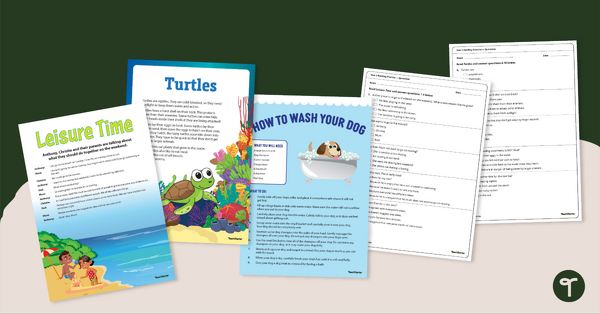
NAPLAN Reading Magazine – Year 3
5 reading texts with multiple choice questions for NAPLAN Reading Year 3.
- Plus Plan
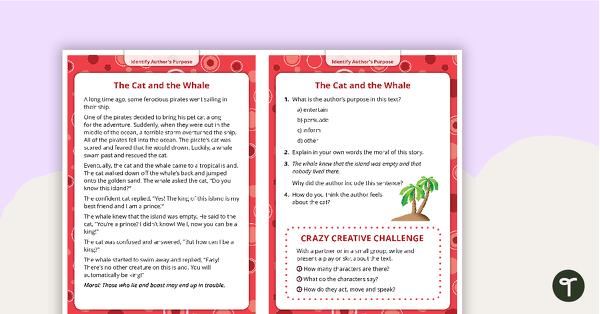
Comprehension Task Cards - Identifying Author's Purpose
A set of comprehension task cards to help students identify the author's purpose when reading.
- Plus Plan
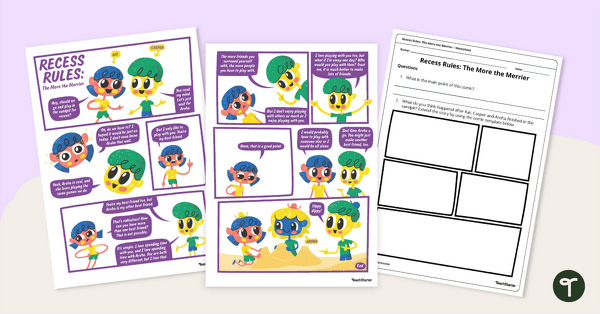
Recess Rules: The More the Merrier – Worksheet
A comprehension worksheet for a comic about the importance of making a variety of friendships.
- Plus Plan
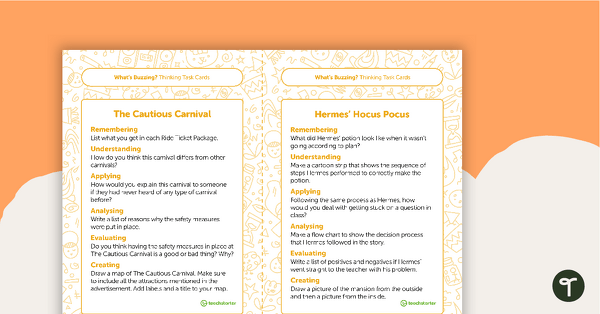
Year 3 Magazine – "What's Buzzing?" (Issue 3) Task Cards
A set of five literacy rotation task cards to be used in conjunction with Issue 3 of Teach Starter’s Year 3 magazine.
- Plus Plan
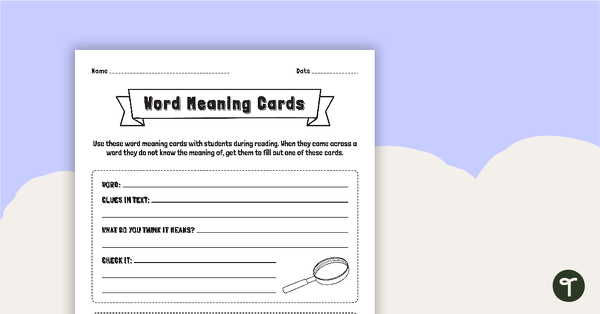
Finding Word Meaning In Context - Word Meaning Cards
A teaching resource to help teach your students how to find word meaning in context.
- Plus Plan
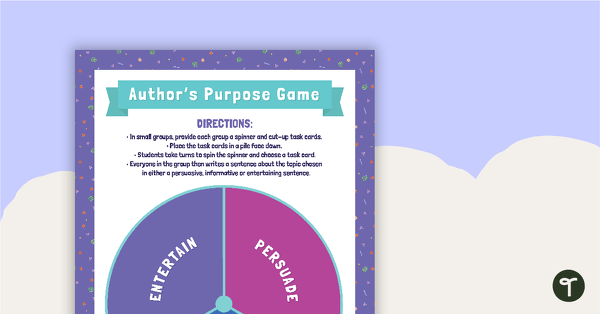
Author's Purpose - Sentence Writing Game
A teaching resource to help teach your students the different reasons authors may write.
- Plus Plan
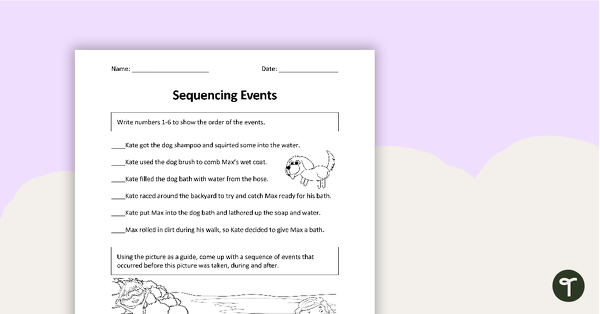
Sequencing - Events Worksheet
A worksheet to use when teaching students how to sequence important events when reading.
- Plus Plan
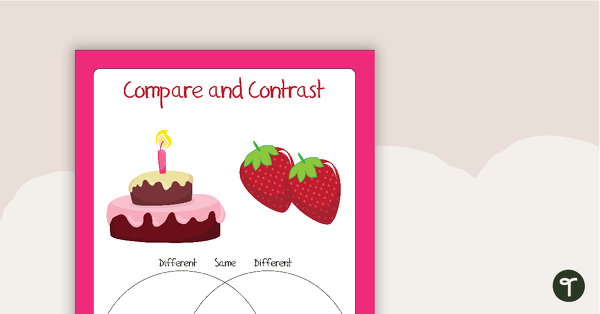
Compare and Contrast - Objects Worksheets
A pack of 5 worksheets comparing and contrasting pictures of similar objects.
- Plus Plan
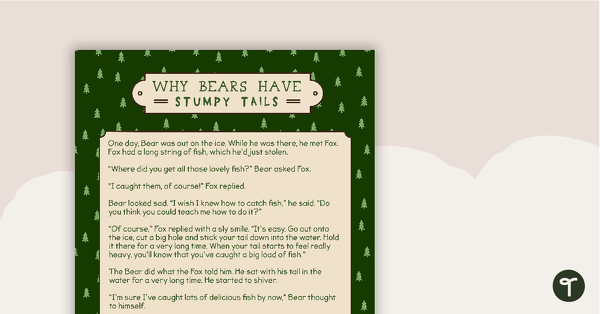
Comprehension - Why Bears Have Stumpy Tails
A comprehension activity using a narrative text for lower grades.
- Plus Plan
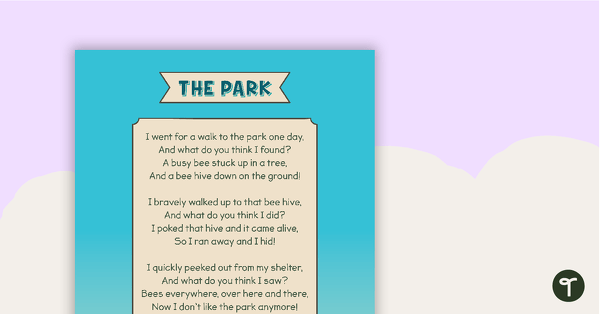
The Park - Comprehension
A comprehension activity using poetry.
- Plus Plan
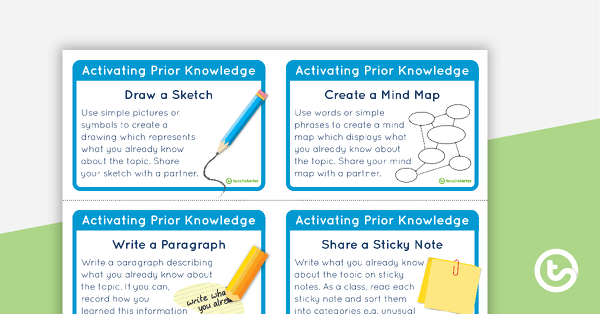
Activating Prior Knowledge - Comprehension Strategy Task Cards
A set of 12 task cards to help students activate their prior knowledge before reading.
- Plus Plan
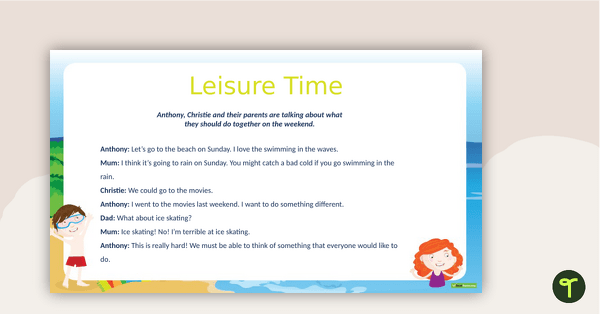
NAPLAN Reading Magazine – Year 3 - PowerPoint
5 reading texts with multiple choice questions for NAPLAN Reading Year 3 on PowerPoint.
- Plus Plan
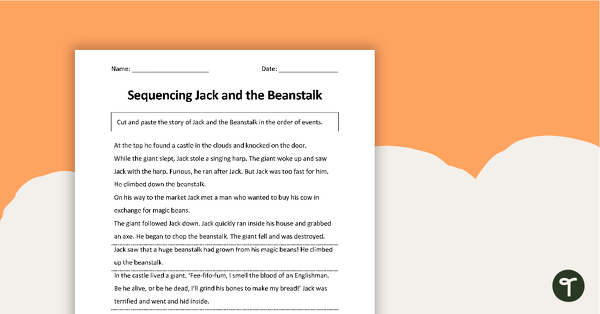
Understanding Sequence - Jack and the Beanstalk
A worksheet to use when teaching students how to understand sequence when reading.
- Plus Plan
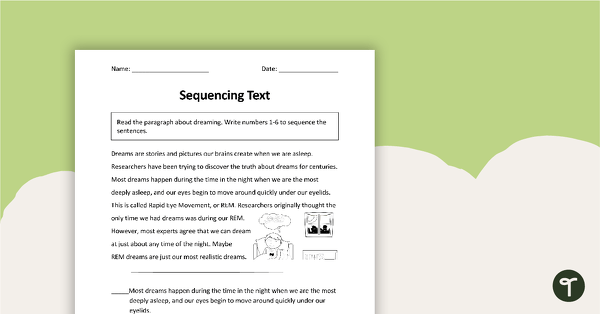
Sequencing Text - Worksheet
A worksheet to use when teaching students how to understand sequence when reading.
- Plus Plan
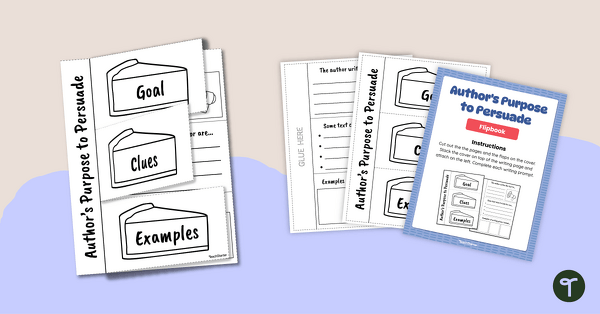
Author’s Purpose to Persuade Flipbook
Help students explore the Author’s Purpose to Persuade with this engaging and interactive flipbook.
- Plus Plan
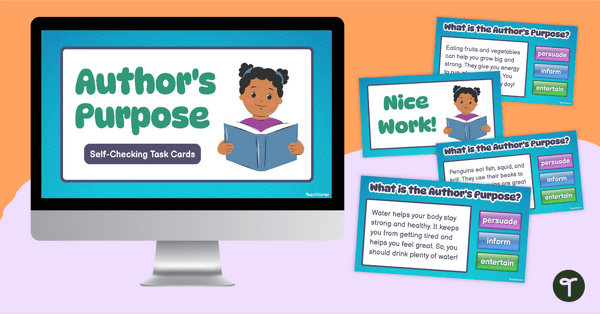
Author's Purpose Quiz – Self-Checking Task Cards
Engage students with their learning on author's purpose with this Author's Purpose Quiz.
- Free Plan
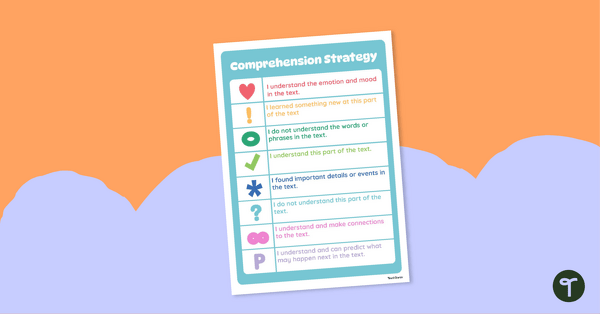
Monitoring Comprehension Strategies Text Annotations Poster
Help students monitor their comprehension with this Monitoring Comprehension Reading Strategy using text annotations.
- Plus Plan
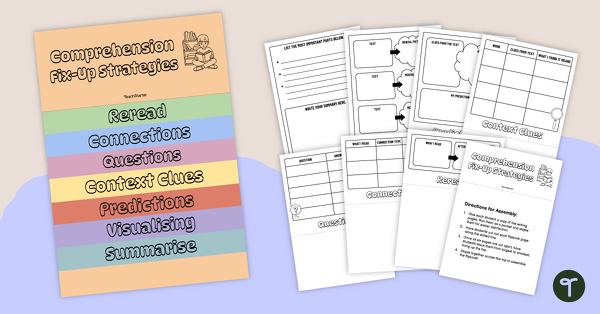
Fix-Up Strategies in Reading Flipbook
Explore different fix up strategies with your students using this Fix Up Strategies in Reading Flipbook template.
- Free Plan
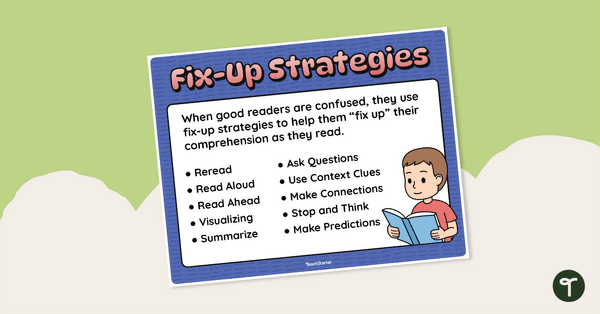
Reading Fix-Up Strategies Poster
Support your students in becoming confident, independent readers with this Fix-Up Strategies Poster!
- Plus Plan
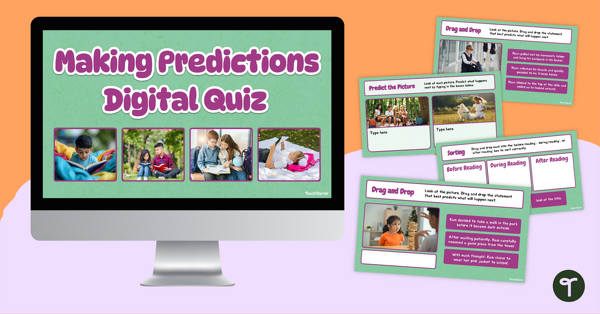
Story Prediction Activities Digital Quiz
Assess predicting skills with this Making Predictions Activities digital quiz.
- Plus Plan
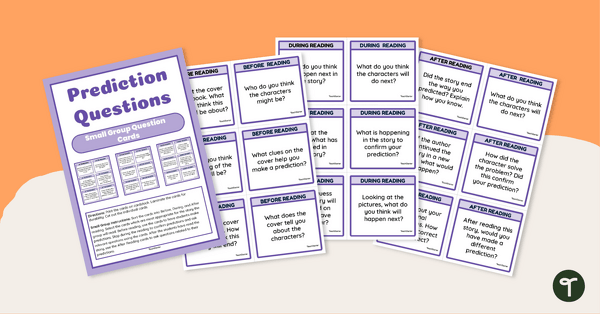
Predictions Questions for Reading Flashcards
Encourage active reading with Predictions Questions for Reading Flashcards, a versatile resource including question prompts for students to use during reading.
- Plus Plan
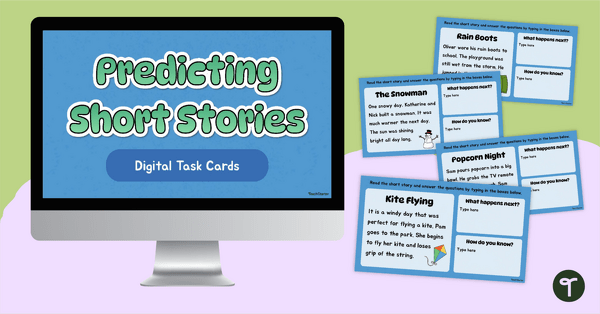
Making Predictions Comprehension Strategy: Digital Task Cards
Enhance reading comprehension with these Making Predictions Comprehension Strategy Digital Task Cards, where students read short stories, predict what happens next, and justify their thinking using text evidence.