Foundation Year
The proficiency strands understanding, fluency, problem-solving and reasoning are an integral part of mathematics content across the three content strands: number and algebra, measurement and geometry, and statistics and probability. The proficiencies reinforce the significance of working mathematically within the content and describe how the content is explored or developed. They provide the language to build in the developmental aspects of the learning of mathematics. The achievement standards reflect the content and encompass the proficiencies.
At this year level:
- understanding includes connecting names, numerals and quantities
- fluency includes readily counting numbers in sequences, continuing patterns and comparing the lengths of objects
- problem-solving includes using materials to model authentic problems, sorting objects, using familiar counting sequences to solve unfamiliar problems and discussing the reasonableness of the answer
- reasoning includes explaining comparisons of quantities, creating patterns and explaining processes for indirect comparison of length.
(source: www.australiancurriculum.edu.au)
Achievement Standard
By the end of the Foundation year, students make connections between number names, numerals and quantities up to 10. They compare objects using mass, length and capacity. Students connect events and the days of the week. They explain the order and duration of events. They use appropriate language to describe location.
Students count to and from 20 and order small collections. They group objects based on common characteristics and sort shapes and objects. Students answer simple questions to collect information and make simple inferences.
(source: www.australiancurriculum.edu.au)
- Plus Plan
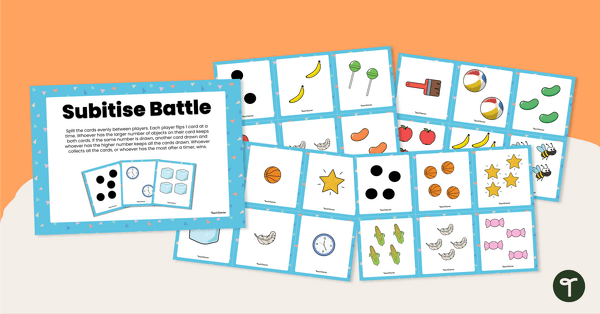
Subitise Battle – Card Game
Quickly subitise and compare with this fast-paced card game.
- Free Plan
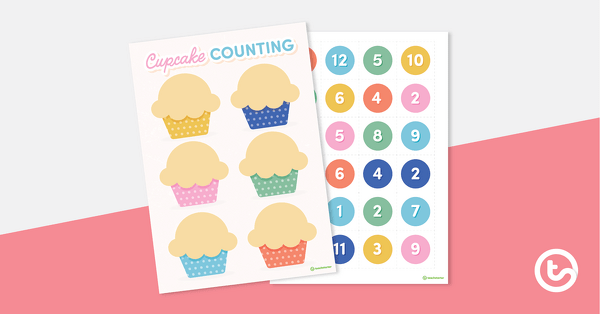
Cupcake Counting Activity
A colourful number activity using counters.
- Plus Plan
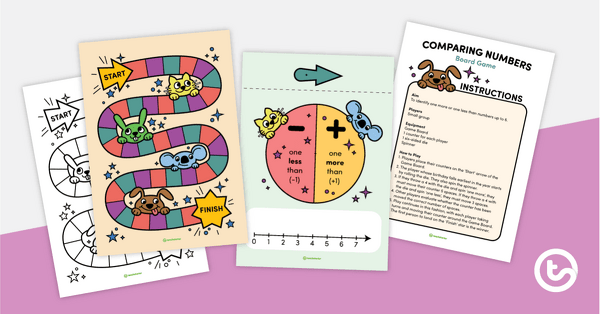
Comparing Numbers Board Game
A hands-on Board Game to practise comparing numbers less than ten.
- Plus Plan
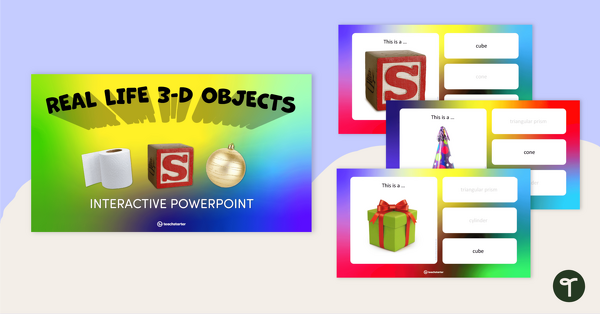
Real Life 3D Objects – Interactive PowerPoint
Explore three-dimensional objects in the real world with this engaging interactive activity.
- Free Plan
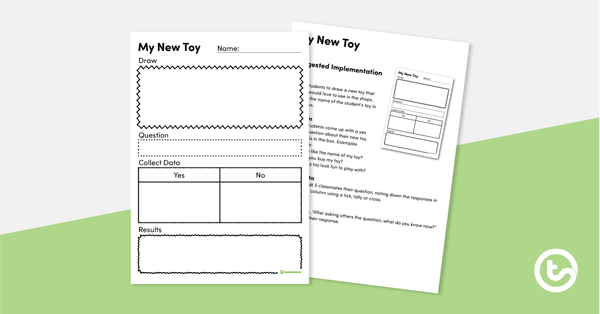
Yes or No? My New Toy – Worksheet
A task where students design a toy, pose a yes or no question and gather responses.
- Plus Plan
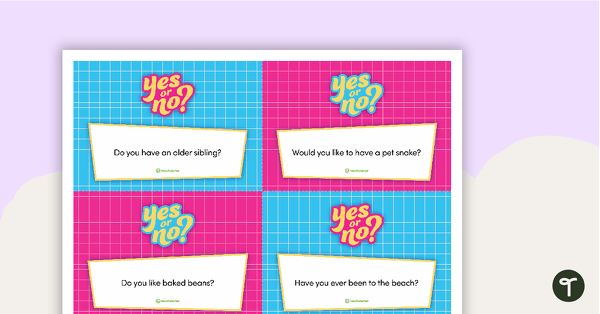
Yes or No? Questions – Flashcards
A set of 20 flashcards posing 'yes or no' questions for your students to answer.
- Plus Plan
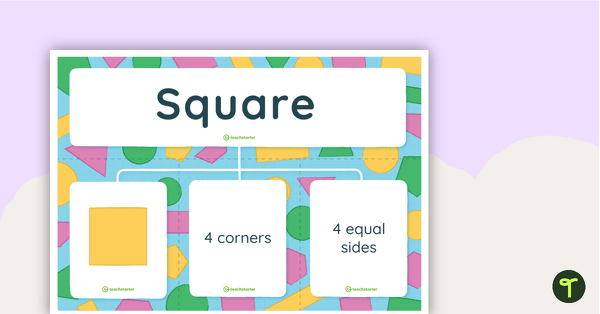
2D Shape Match-up Puzzles
A set of puzzles that match up 2D shapes and their properties.
- Plus Plan
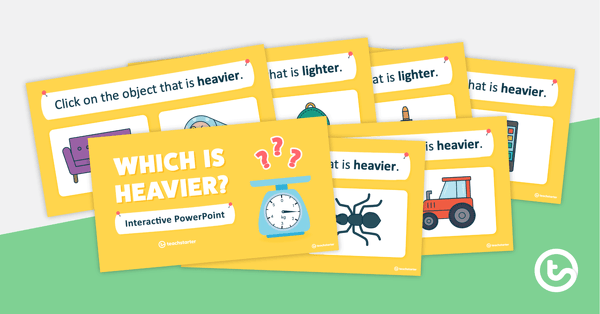
Which Is Heavier? – Interactive PowerPoint
An interactive PowerPoint quiz that asks students to compare the mass of various everyday objects.
- Plus Plan
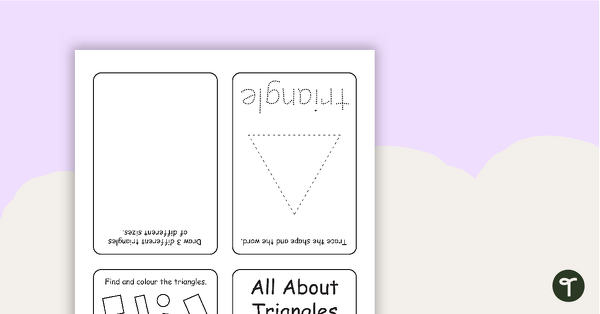
All About Triangles Mini Booklet
A mini booklet to assist younger students in recognising and drawing triangles.
- Plus Plan
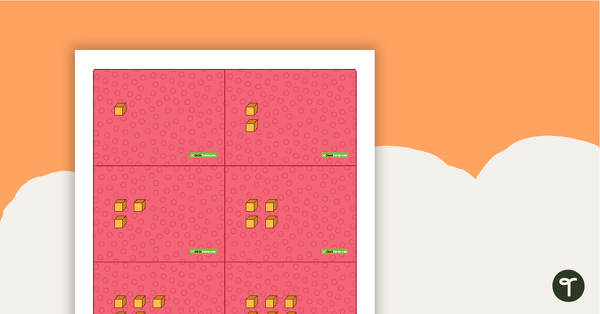
Numbers 1 - 20 Representation Matching Cards
Practise representing the numbers 1 - 20 with your students using these matching cards that enable them to engage with numbers in six different formats.
- Plus Plan
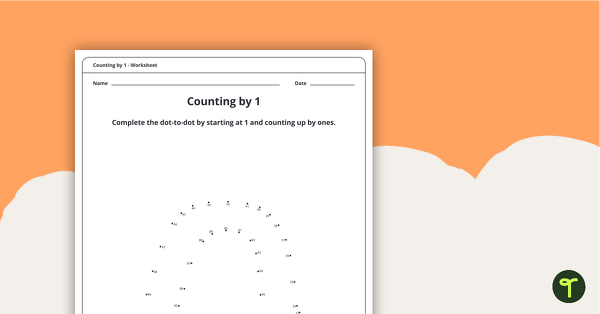
Dot-to-Dot Drawing - Numbers by 1 - Caterpillar
Join the dots and numbers to make a picture.
- Plus Plan
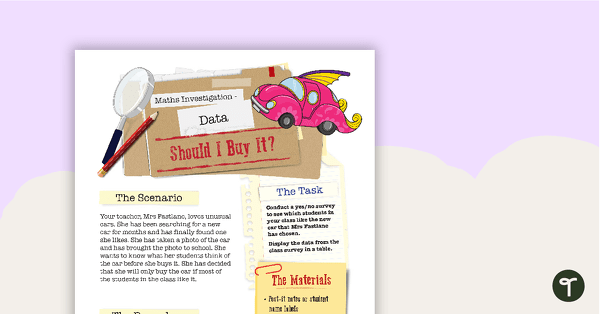
Data Maths Investigation - Should I Buy It?
A mathematics investigation involving data collection and representation, embedded in a real-world context.
- Plus Plan
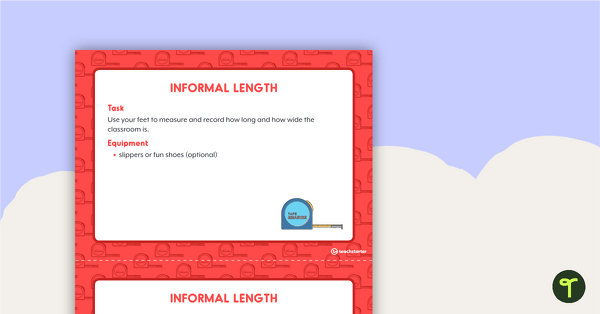
Informal Measurement - Task Cards
A set of task cards to use when learning about informal measurement.
- Plus Plan
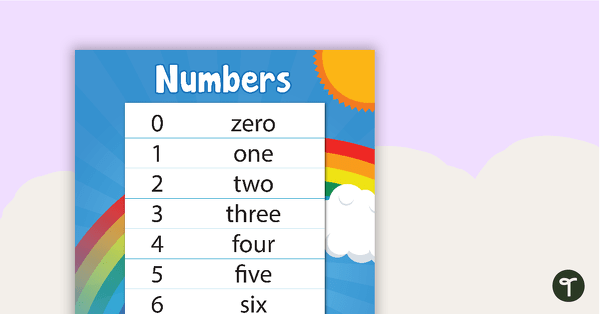
Numbers and Words 0-10
Numerals 1-10 and their corresponding names.
- Plus Plan
Counting Collections and Connecting Numbers PowerPoint
A 16 page editable PowerPoint presentation to use as part of a numeracy lesson when teaching place value to younger students.
- Plus Plan
Identifying Numbers Teaching Slides
A 12 page editable presentation to use when teaching number recognition to younger students.
- Plus Plan
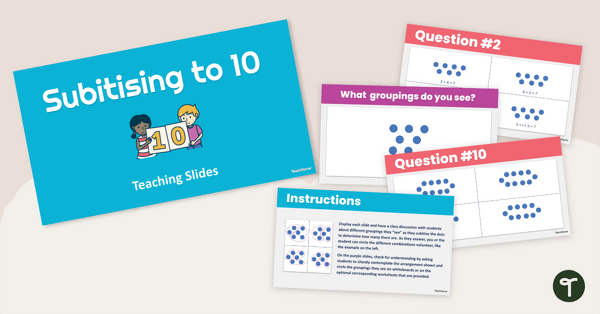
Subitising to 10 Teaching Slides
Display our Subitising to 10 Teaching Slides to encourage mathematical discussions in your classroom.
- Plus Plan
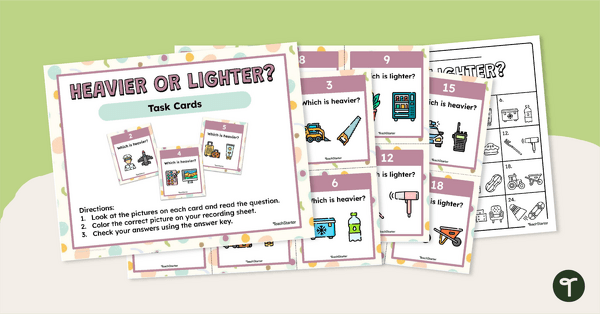
Heavier or Lighter Task Cards
Compare and contrast pairs of objects and encourage students to respond to questions featured on this set of task cards.
- Free Plan
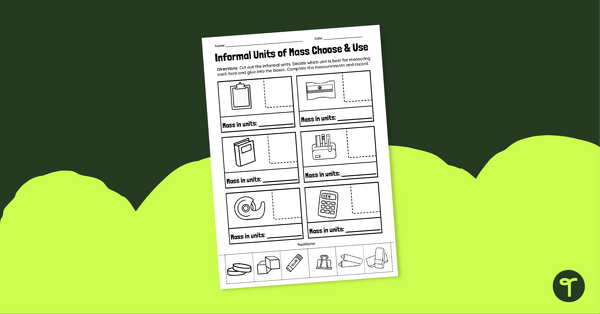
Informal Mass Choose and Use Cut and Sort
Learn the concept of informal units of measurement for mass with this choose and use worksheet.
- Plus Plan
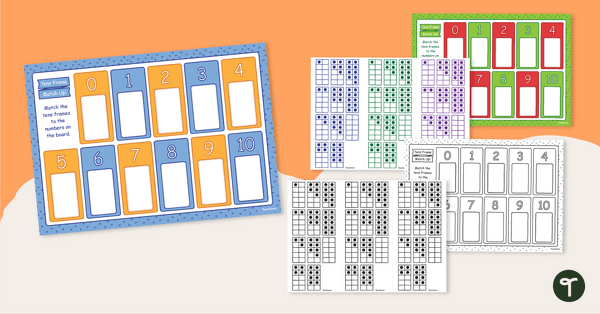
Ten Frame Matching Game
Use this ten frame game to strengthen your students’ number sense and foundational maths skills.
- Plus Plan
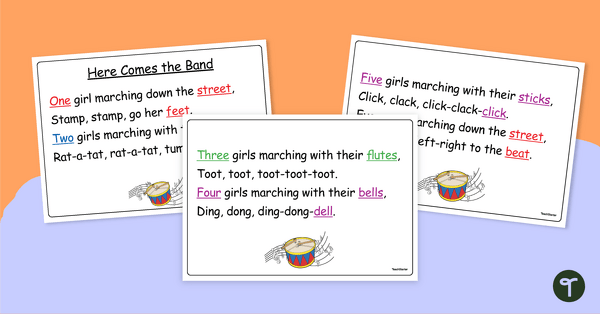
Here Comes the Band – Counting Rhyme Poster
Use the counting nursery rhyme “Here Comes the Band” poster to teach your students about numbers and rhyme simultaneously!
- Plus Plan
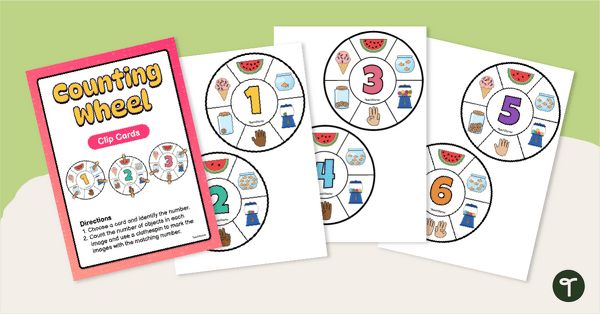
Counting Wheel Clip Cards Numbers 1-10
Practise counting objects to 10 and using fine motor skills to put a peg on these clip cards.
- Plus Plan
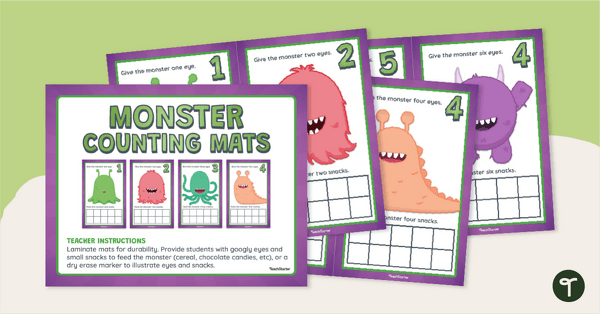
Monster Counting Mats Numbers 1-10
Count monster eyes up to 10 with this fun counting activity for the early years classroom.
- Plus Plan
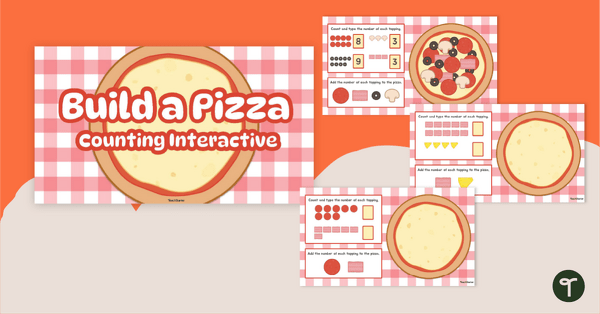
Build a Pizza Counting Interactive Activity
Build a pizza by using counting skills with this fun interactive game.
- Plus Plan
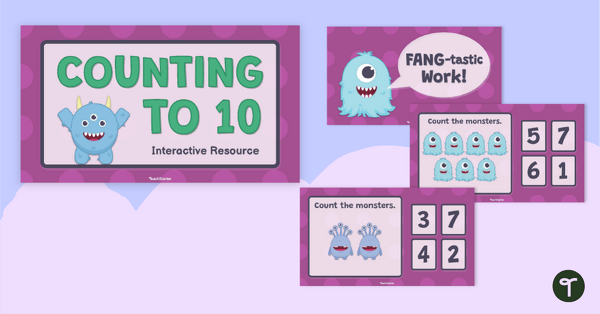
Counting to 10 Interactive Task Cards
Count groups of aliens up to 10 with this set of fun and engaging interactive counting task cards.
- Plus Plan
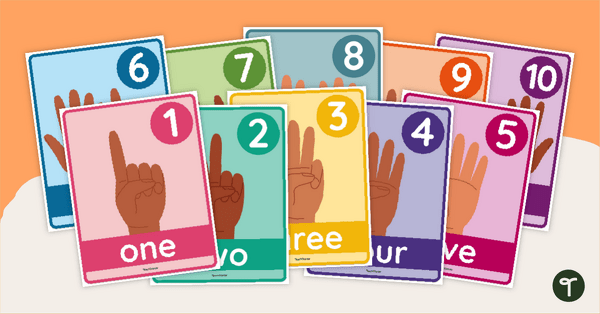
Finger Counting Poster Set
Display this set of finger counting posters to10 in the early years classroom.
- Plus Plan
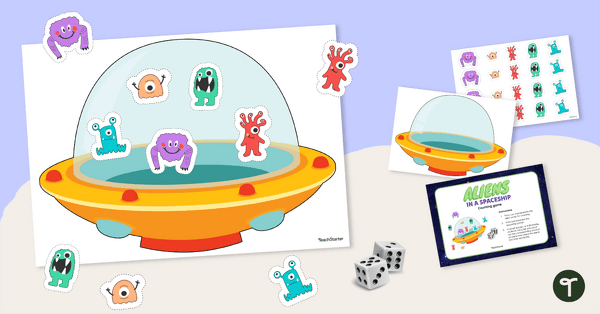
Aliens in a Spaceship Counting Game (1-6)
Practise counting with this fun aliens in a spaceship counting game.
- Plus Plan
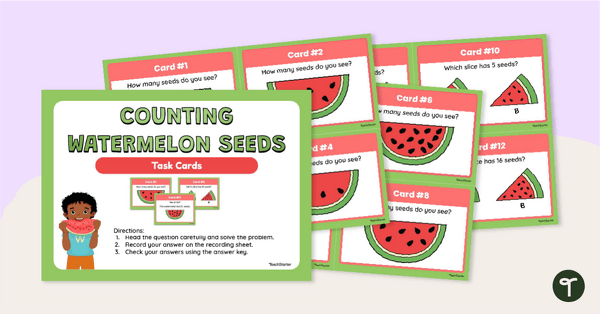
Counting Watermelon Seeds Task Cards
Practise counting with this set of watermelon-themed counting task cards.
- Plus Plan
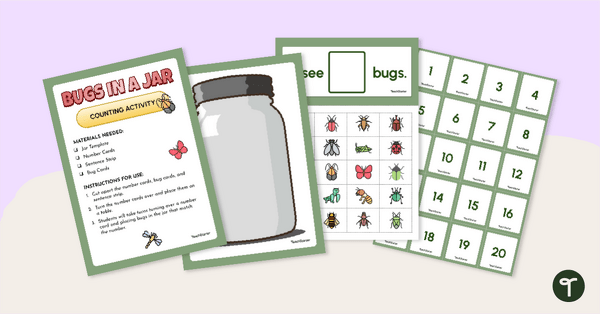
Bugs in a Jar Counting Activity
Practise counting to 20 with this engaging and hands-on bugs in a jar activity set.
- Plus Plan
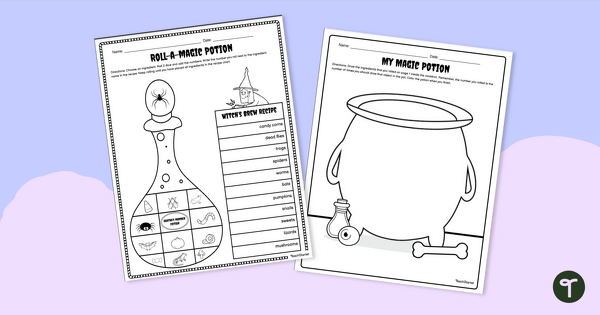
Year 1 Halloween Addition Game - Roll-a-Potion
Roll and add to create a magic potion, then draw it in the cauldron with a printable Year 1 Halloween game.
- Plus Plan
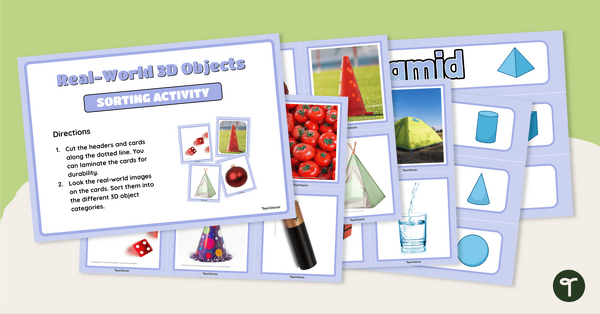
Real-World 3D Objects - Sorting Activity
Practise identifying and sorting three-dimensional objects with this set of 24 sorting cards.
- Plus Plan
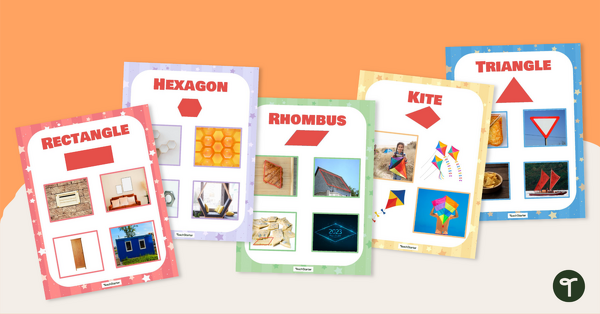
2D Shapes in the Environment Poster Pack
Explore 2D shapes in the environment using this set of 8 display posters showing the shapes and everyday examples.