Literature
- Plus Plan
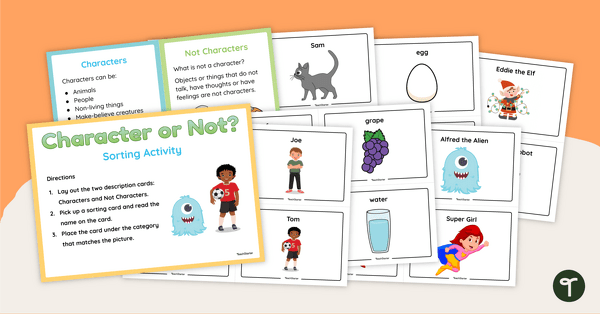
Character or Not? - Sorting Activity
Explore the difference between characters and non-characters with this hands-on sorting activity.
- Plus Plan
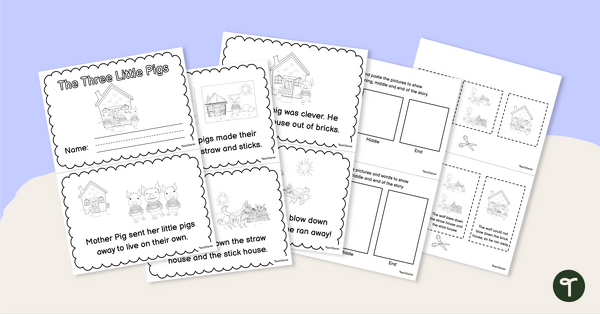
Beginning, Middle and End Mini-Book - The Three Little Pigs
Teach your students about the beginning, middle and end of a story with this mini-book retell of The Three Little Pigs.
- Plus Plan
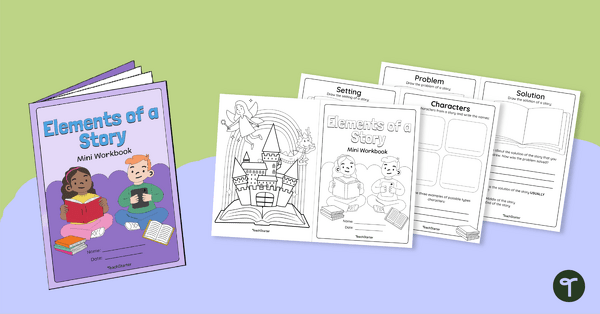
Elements of a Story Activity Workbook
Explore the different elements of a narrative story with this student mini workbook.
- Plus Plan
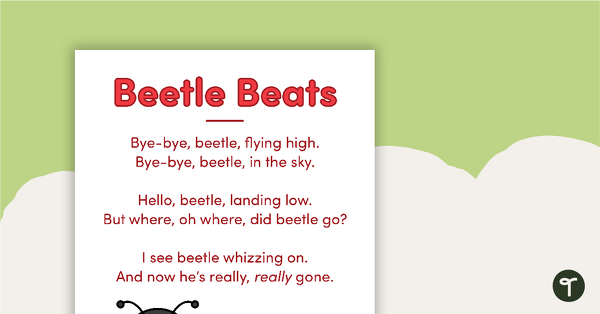
Beetle Beats Poem - Simple Rhyming Poetry Poster
A simple rhyming poem to develop vocabulary, reading, speaking and listening in the early years.
- Plus Plan
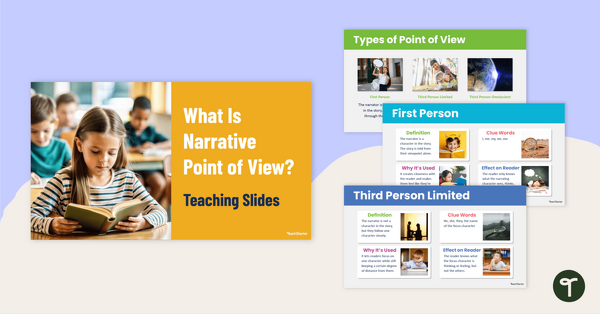
What Is Narrative Voice? Teaching Slides
Answer the question “What is narrative voice?” with this engaging slide deck that helps students understand first person, third person limited and third person omniscient narration.
- Plus Plan
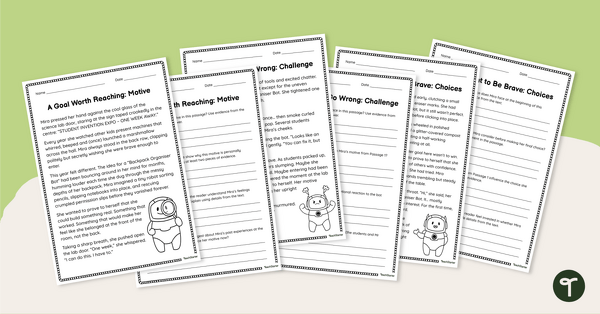
Character Development – Text Analysis Worksheets
Explore character development in narrative writing with this set of three engaging worksheets that help students understand how motivations, challenges and choices shape a character’s growth.
- Plus Plan
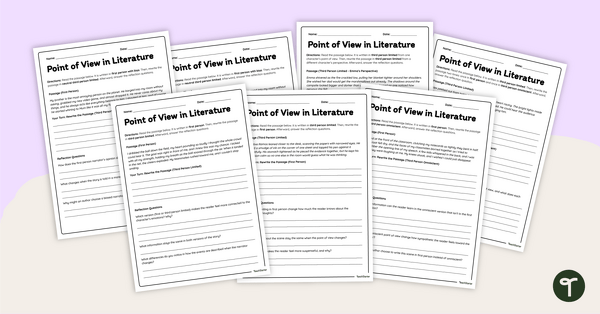
Voice in Narrative Writing Prompts
Explore voice in narrative with this set of engaging worksheets that require students to write literary passages in different points of view.
- Plus Plan
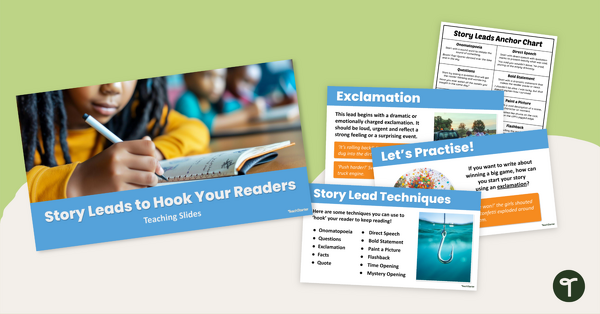
Narrative Writing Lesson - Story Leads to Hook Readers
Hook readers with this narrative writing lesson that introduces your students to eleven story lead strategies.
- Plus Plan
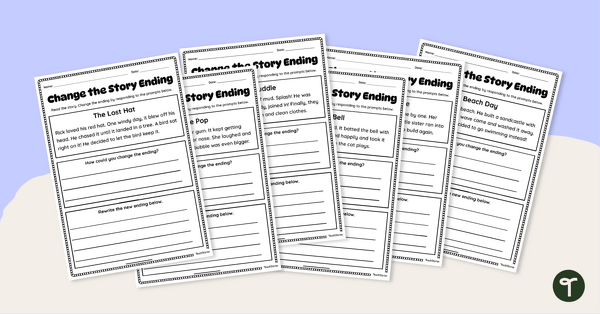
Change the Ending of the Story Worksheets
Help students change the ending of a story with this set of worksheets.
- Plus Plan
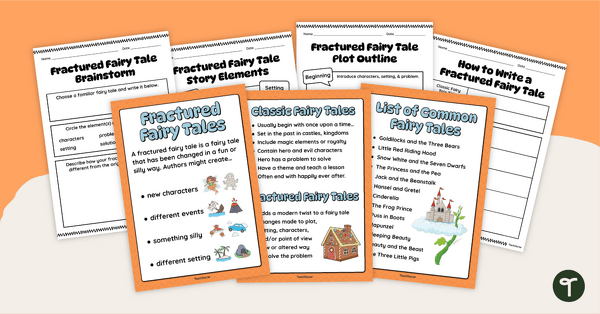
How to Write a Fractured Fairy Tale Worksheet Pack
Engage students in narrative writing and explore how to write a fractured fairy tale with this set of worksheets
- Plus Plan
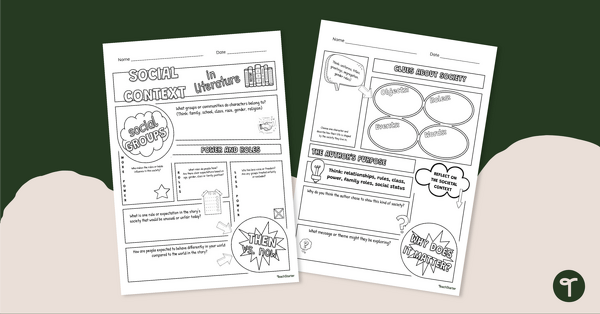
Social Context in Literature Graphic Organiser
Support students to explore social context in literature with this two-page graphic organiser that helps them explore societal norms in a piece of literature.
- Plus Plan
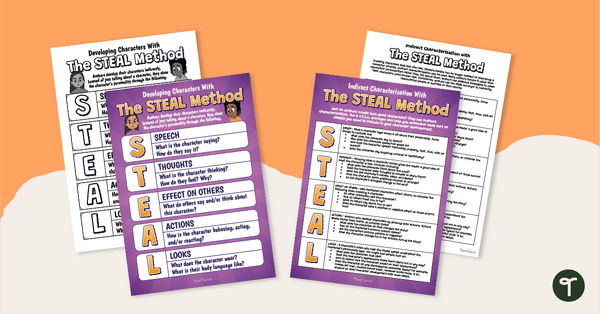
STEAL Characterisation Anchor Charts
Use the S.T.E.A.L. method of characterisation to help your students ‘steal’ the show with their writings using handy printable anchor charts.
- Plus Plan
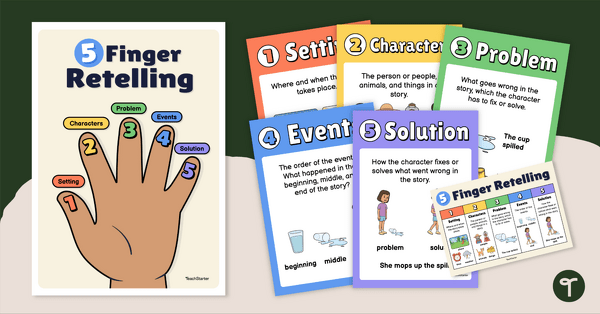
5 Finger Retell Classroom Posters
Guide students through the 5 finger retell process with this set of classroom posters and individual student guide.
- Plus Plan
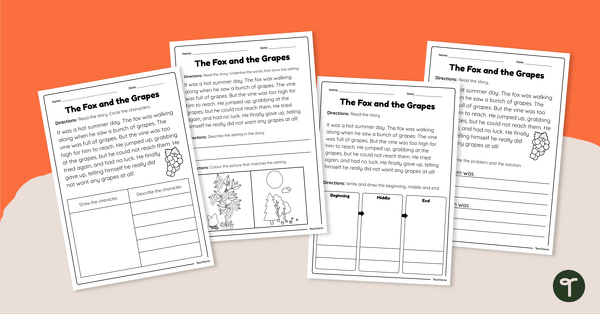
Story Elements Worksheets – The Fox and the Grapes
Practise identifying the story characters, settings and main events with this set of worksheets based on a traditional tale.
- Plus Plan
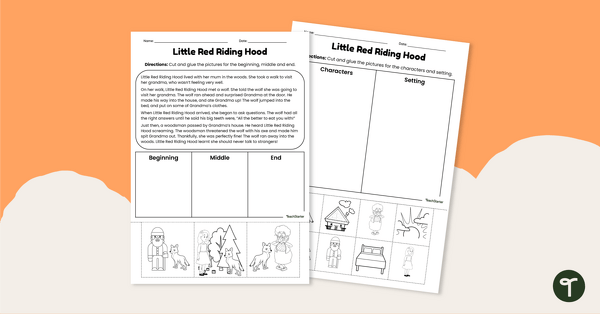
Story Elements Cut and Paste Worksheets – Little Red Riding Hood
Explore story characters, settings and main events with this set of cut-and-paste worksheets based on a well-known fairy tale.
- Plus Plan
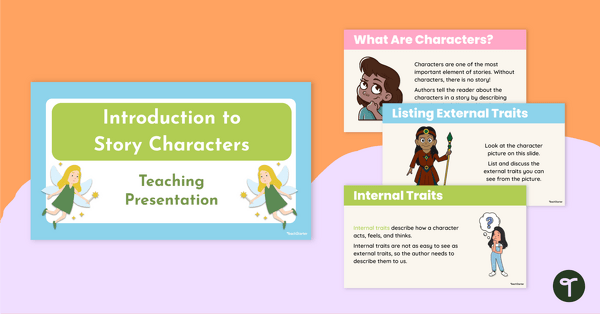
Introduction to Story Characters Teaching Slides
Introduce your students to the wonderful world of story characters with this visually appealing teaching presentation.
- Plus Plan
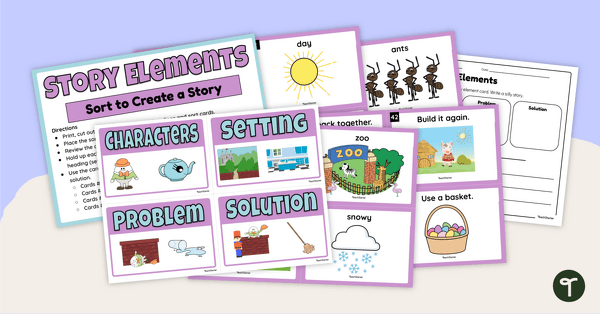
Create a Silly Story – Sorting Activity
Explore story characters, settings, problems and solutions by creating a silly story!
- Plus Plan
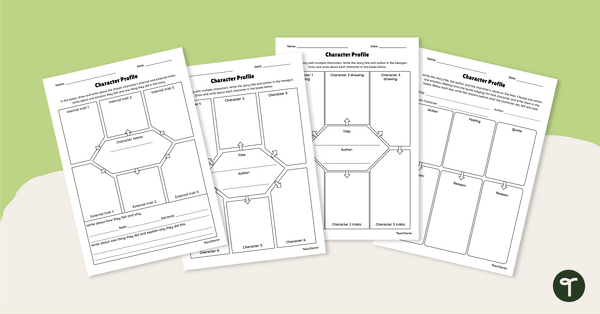
Character Profile - Graphic Organisers
Explore the internal and external traits of story characters with a set of differentiated graphic organisers.
- Plus Plan
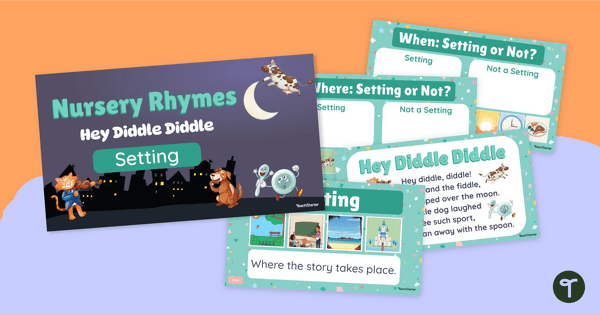
Narrative Settings Teaching Presentation - Hey Diddle Diddle
Engage young readers in texts and learn about setting with an instructional slide deck featuring the Hey Diddle Diddle rhyme.
- Plus Plan
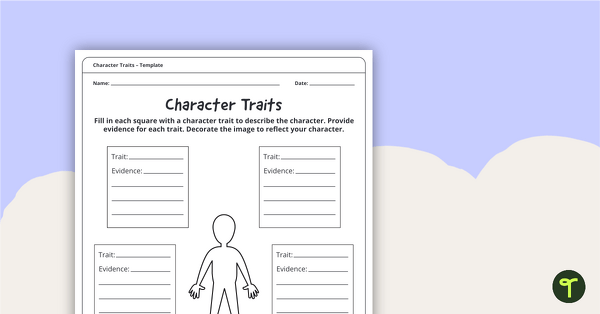
Character Traits Graphic Organiser
Describe the most notable mental and moral qualities of a real or fictional person.
- Plus Plan
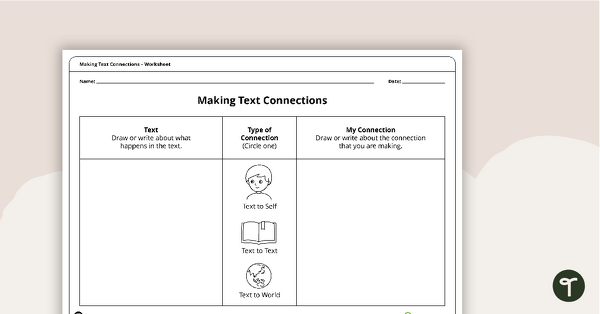
Making Text Connections Graphic Organiser (F–2)
A graphic organiser to use with students when making connections with a text.
- Plus Plan
Before, During and After Reading Worksheet
A worksheet to use when asking questions before, during and after reading.
- Plus Plan
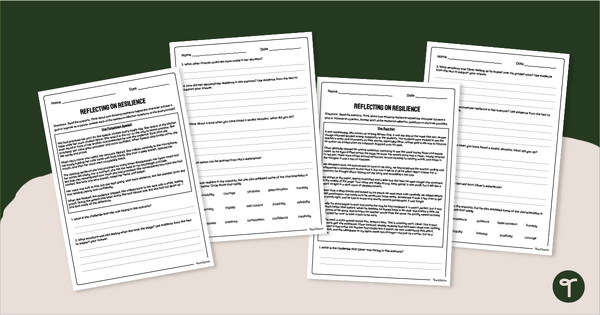
Reflecting on Resilience Worksheets (4-5)
Improve student resilience and reading comprehension skills with our Reflecting on Resilience Worksheets.
- Plus Plan
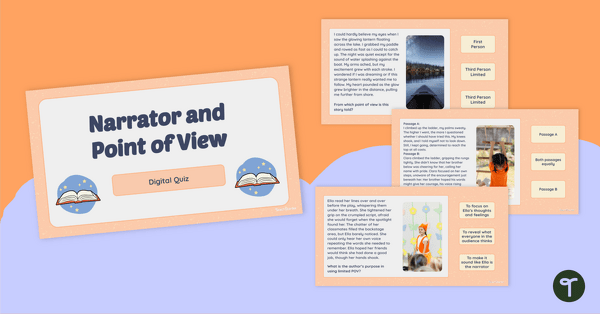
Narrator and Point of View Digital Quiz
Discover how narrator and point of view can be taught in a fun and engaging way with this interactive quiz designed to help primary students become confident readers and critical thinkers.
- Plus Plan
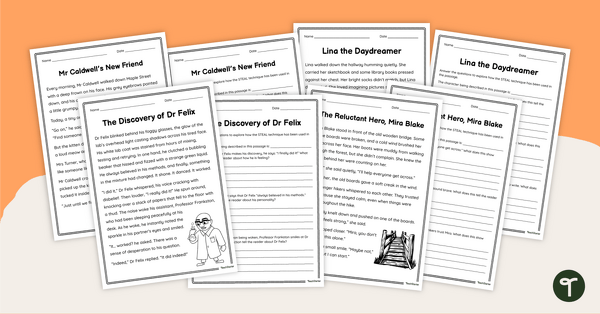
Character Description – Text Analysis Worksheets
Teach character description with this set of four worksheets that help students explore how authors use the STEAL technique to bring characters to life.
- Plus Plan
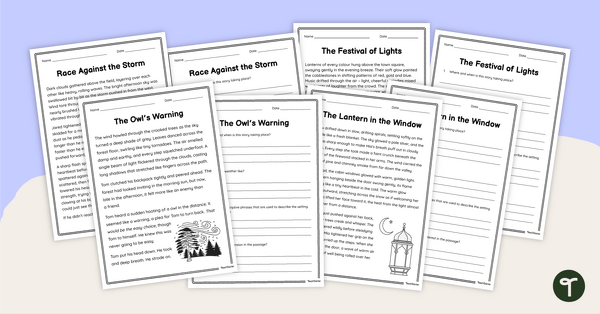
Mood in Narrative Writing – Text Analysis Worksheets
Teach mood in narrative writing with this set of four worksheets designed to help students explore narrative atmosphere in the context of real texts.
- Plus Plan
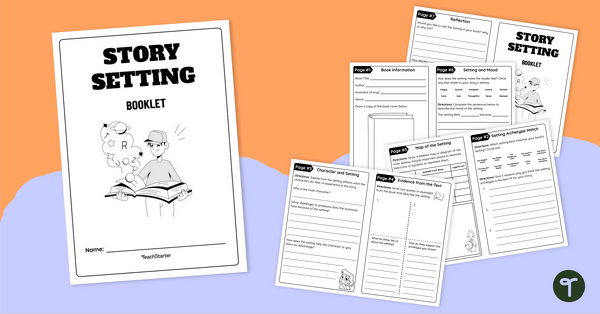
Story Settings Booklet
Explore common story settings in literature with this engaging 8-page mini book that helps students analyse settings from their own reading.
- Plus Plan
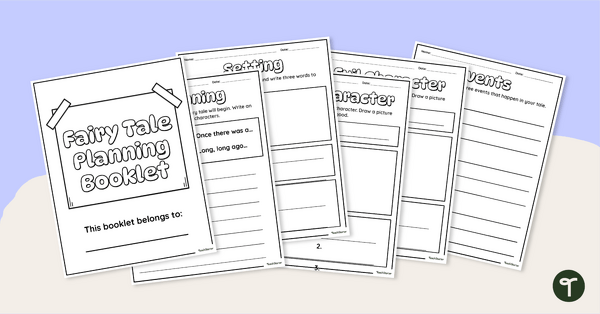
Fairy Tale Writing Templates
Use these structured pages to support storytelling and writing of fairy tales with your students.
- Plus Plan
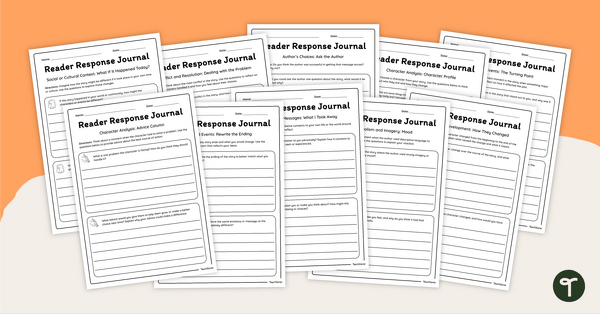
Reader Response Journal for Literature
Help students think critically about key story elements such as character, plot and theme with this 22-page reader response journal set.
- Plus Plan
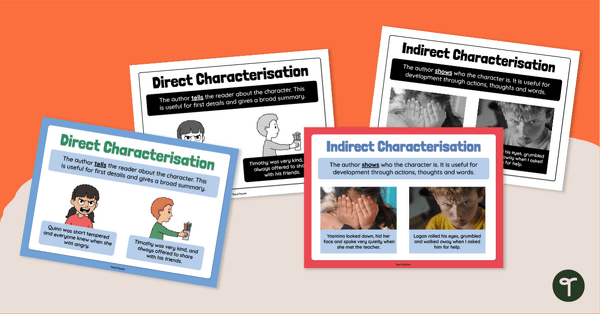
Direct and Indirect Characterisation Anchor Chart
Reference a direct and indirect characterisation anchor chart to teach your students the difference between types of characterisation.
- Plus Plan
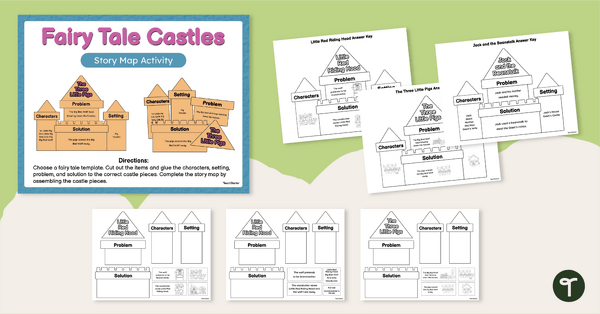
Narrative Elements Fairy Tale Sorting Activity
Explore narrative elements with this fairy tale sorting activity in the shape of a castle.
- Plus Plan
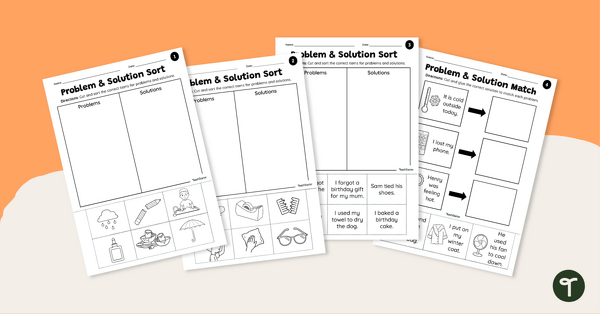
Problem and Solution Worksheets
Explore narrative elements with this set of problem and solution worksheets.