VC2E4LY08
identify the characteristic features used in different types of texts to meet the purpose and audience of the text
- identifying how authors use language to create imaginary worlds
- identifying how authors use techniques, such as headings, italics and bold text, to support readers or viewers to navigate specific texts
- identifying visual features such as images and layout used in informative texts to complement, add to or shape understanding of a topic
- Plus Plan
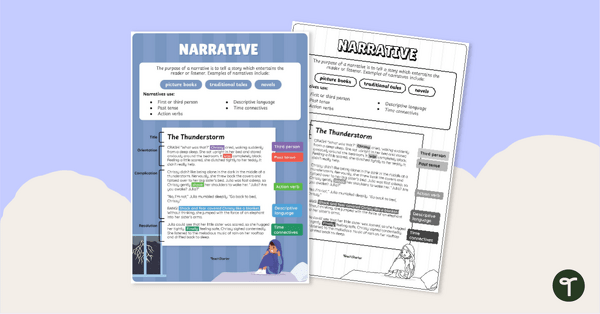
Narrative Text Type Poster With Annotations
Display this narrative text with annotations to help students identify the structure of a narrative.
- Plus Plan
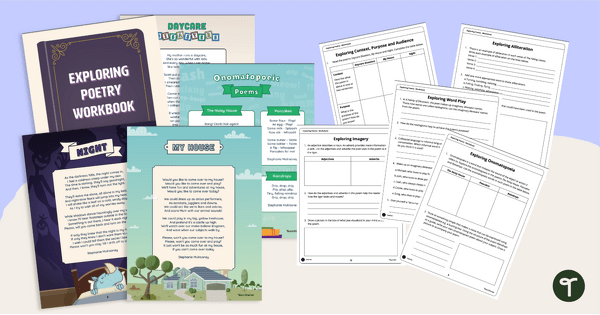
Exploring Poetry Workbook
Teach your students about all things poetry with this jam-packed poetry workbook created especially for primary school students.
- Plus Plan
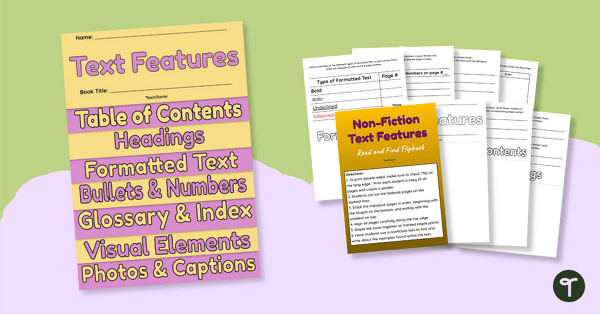
Non-Fiction Text Features Flipbook – Read and Find
Get your students to find text features in non-fiction books with this student-centred flipbook activity perfect for literacy groups.
- Plus Plan
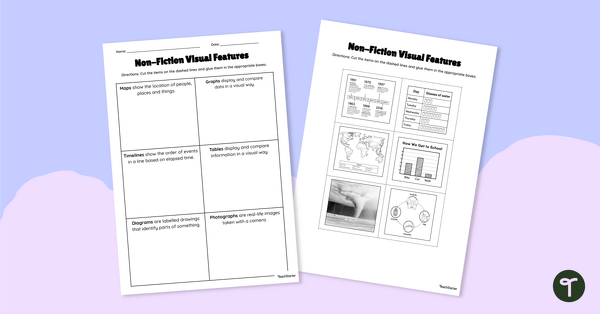
Non-Fiction Visual Features Cut and Paste Worksheet
Use this visual text features worksheet when exploring text features such as photographs, maps, charts and diagrams with your students.
- Plus Plan
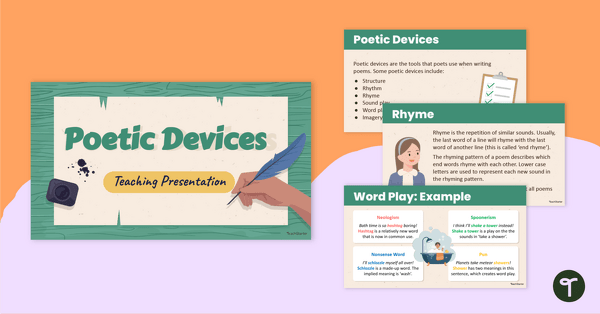
Poetic Devices Teaching Slides
Explore examples of poetic devices using this comprehensive and age-appropriate slide deck perfect for your poetry writing unit.
- Plus Plan
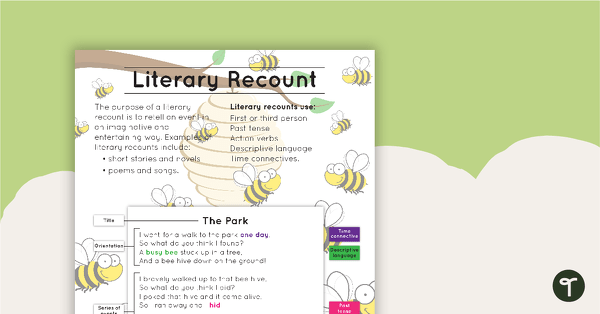
Literary Recount Text Type Poster With Annotations
A poster about literary recounts, including an annotated example.
- Plus Plan
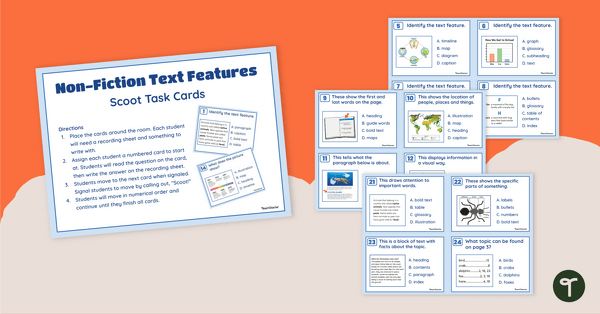
Non-Fiction Text Features Task Cards
Get students exploring text feature examples with this set of tack cards perfect for literacy groups.
- Plus Plan
Fact File Sorting Activity
Use this fact sorting activity to teach your students about informative writing.
- Plus Plan
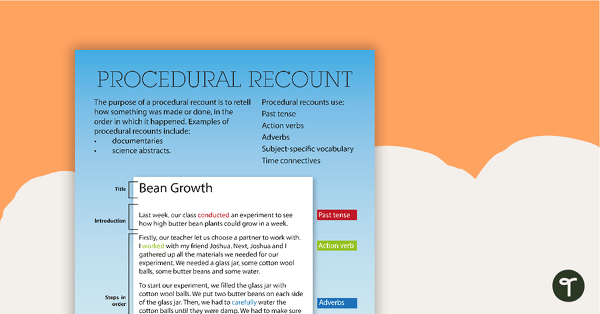
Procedural Recount Text Type Poster With Annotations
A poster about the procedural recount text type, including an annotated example.
- Plus Plan
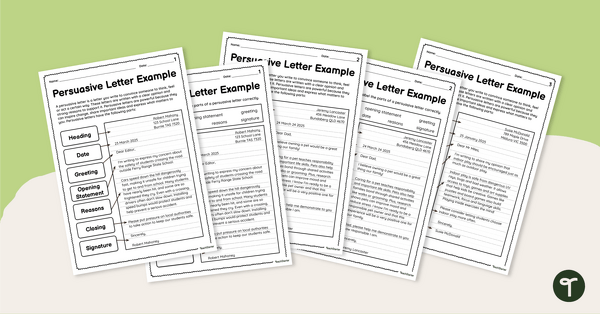
Persuasive Letter Example Pack
Download this persuasive letter example set featuring five model letters with labelled and unlabelled versions, perfect for teaching students the structure of a persuasive letter.
- Plus Plan
Persuasive Devices Crossword
Familiarise your students with the most common persuasive devices with an engaging crossword puzzle.
- Plus Plan
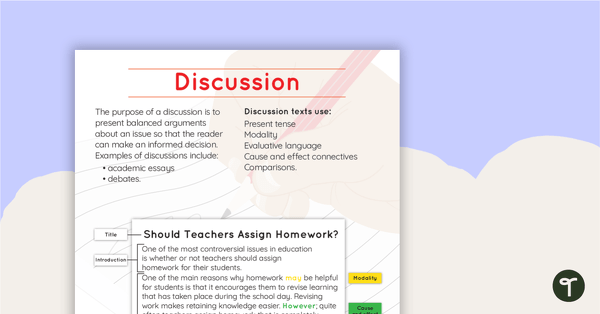
Discussion Text Type Poster With Annotations
A poster about discussions, including an annotated example.
- Plus Plan
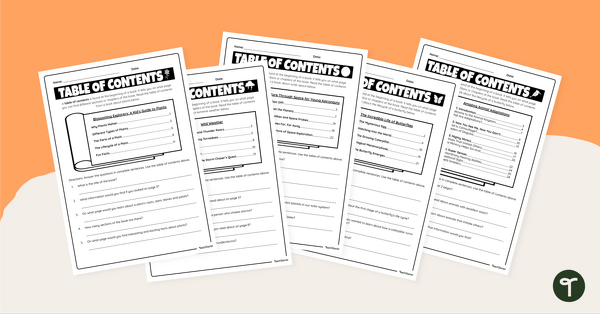
Using Tables of Contents Worksheets
Download these table of contents worksheets to provide your students with practice working with this valuable non-fiction text feature.
- Plus Plan
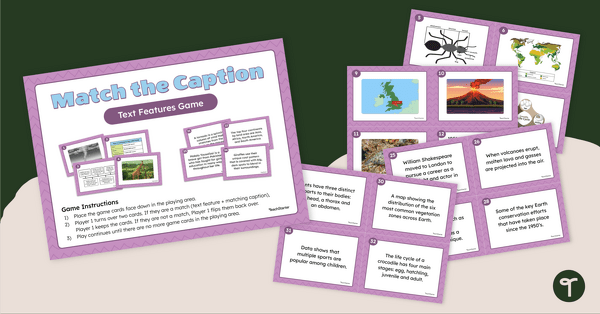
Caption Text Feature Matching Game
Teach your students about the caption text feature with this engaging and collaborative matching game.
- Free Plan
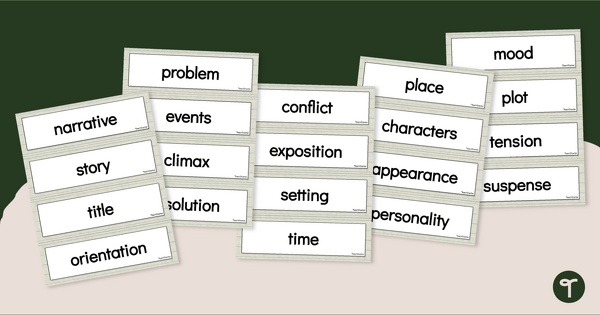
Narrative Writing Word Wall
Review terms related to narrative texts and narrative writing with a set of 33 narrative vocabulary word wall cards.
- Plus Plan
Frida's Fiesta: Open for Business - Inquiry Project
An inquiry project where students get the opportunity to design their own restaurant.
- Plus Plan
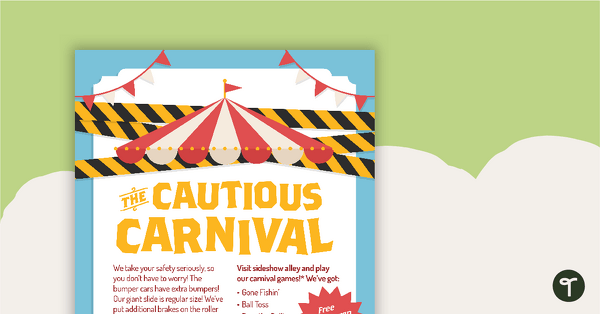
The Cautious Carnival – Worksheet
A comprehension worksheet for a fake advertisement from the Year 3 magazine (Issue 3).
- Plus Plan
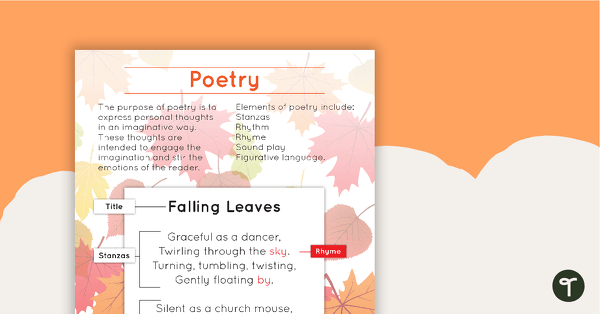
Poetry Poster with Annotations
Use this poetry poster to introduce your students to the structure and language features of poems through an annotated example.
- Plus Plan
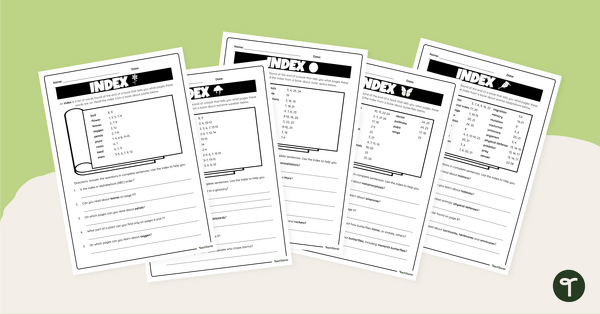
Using Indexes Worksheets
Teach students about the index text feature with this set of worksheets perfect for primary students.
- Free Plan
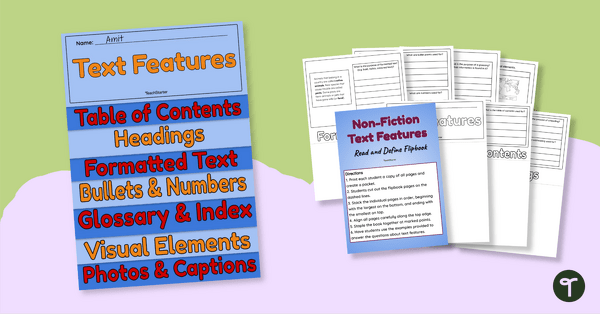
Non-Fiction Text Features Flipbook – Read and Define
Use this text features flipbook as a student-centred literacy activity to teach your students about the purpose of text features in non-fiction books.
- Plus Plan
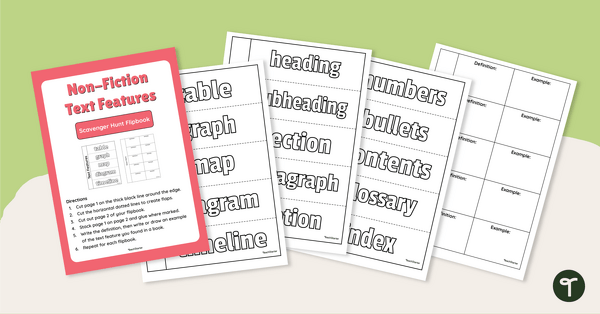
Non-Fiction Text Features – Scavenger Hunt Flipbook
Get students exploring informational text features with this set of scavenger hunt flipbooks perfect for primary students.
- Plus Plan
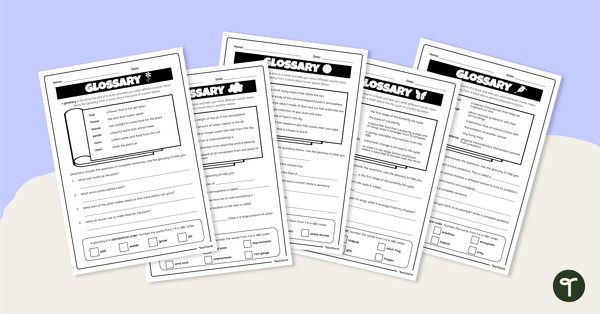
Glossaries Worksheets
Download these glossary worksheets to provide your students with practice working with this valuable non-fiction text feature.
- Plus Plan
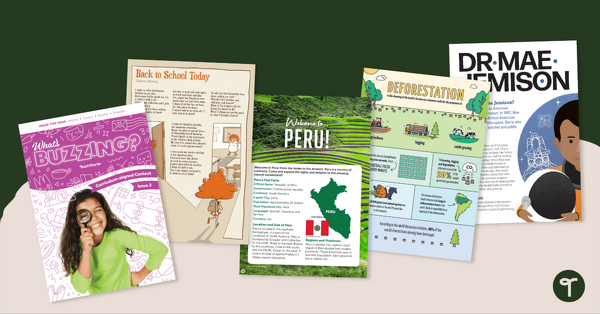
Year 4 Magazine – What’s Buzzing? (Issue 2)
A beautifully designed, 24-page reading magazine specifically designed for Year 4 students.
- Plus Plan
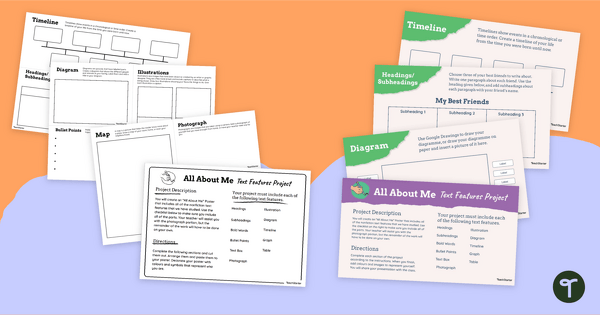
Nonfiction Text Features – All About Me Project
Implement a text features project with an “All About Me” theme to explore informational text features with your students.
- Plus Plan
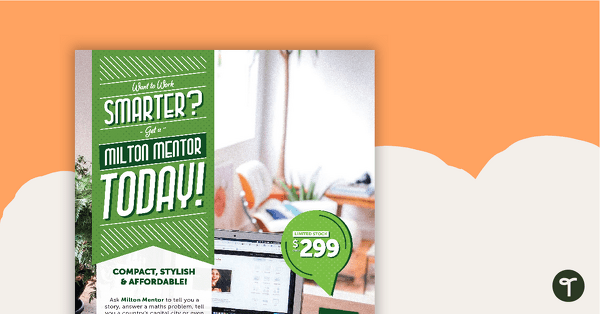
Advertisement Worksheet – Milton Mentor
A comprehension worksheet for a persuasive magazine advertisement about a digital personal assistant.
- Plus Plan
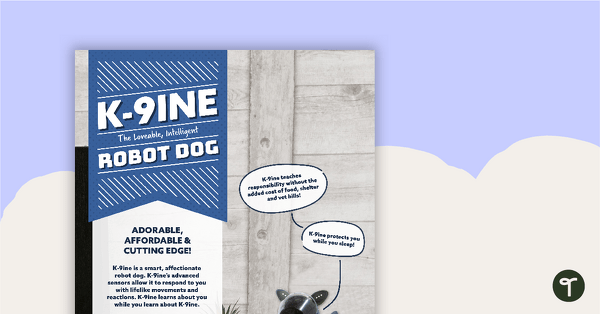
Advertisement Worksheet – K-9ine the Robot Dog
A comprehension worksheet for a persuasive magazine advertisement about a robotic dog.
- Plus Plan
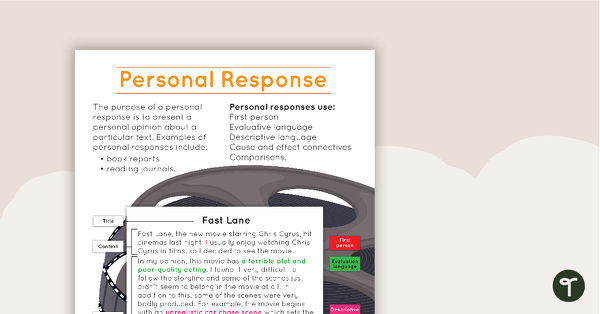
Personal Response Text Type Poster With Annotations
A poster about personal responses, including an annotated example.
- Plus Plan
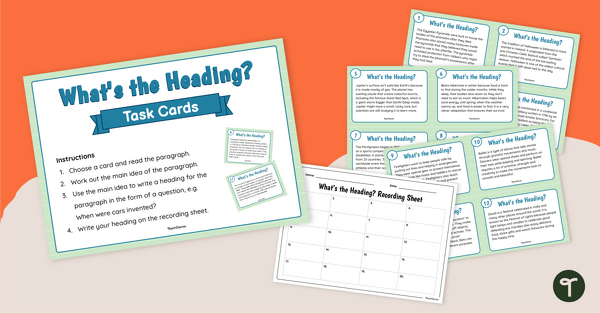
What’s the Heading? Task Cards
Explore the heading text feature with this set of task cards perfect for literacy groups.
- Plus Plan
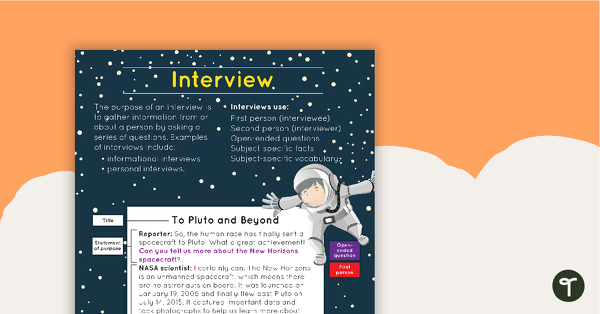
Interview Text Type Poster With Annotations
A poster about interviews, including an annotated example.
- Plus Plan
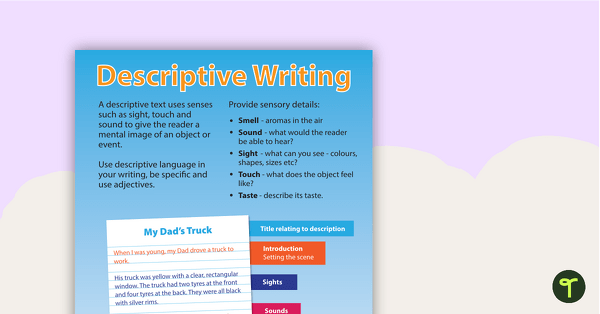
Descriptive Writing Poster With Annotations
A poster outlining the main points and structure of a descriptive text.
- Plus Plan
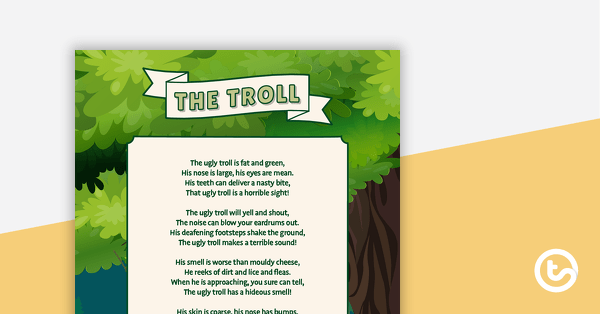
The Troll Poem and Task Cards
A poem and set of task cards about a Troll.
- Plus Plan
Frida's Fiesta: Layout Confusion – Projects
A project where students apply their measurement and fraction knowledge to determine where furniture goes in a restaurant.