Victorian Curriculum
VC2E5LA03
describe how different types of texts use language features and are typically organised into characteristic stages and phases, depending on purposes
- becoming familiar with the typical stages and language features of types of texts such as narrative, procedure, argument, explanation, discussion and informative texts, and how they can be composed in written, digital and multimedia forms to achieve their purpose
- recognising that paragraphs vary in their function and how they are organised in a text and between different types of texts, for example the differences between paragraphs in a narrative, an argument and a procedure
- describing the stages and phases, and purposes, of narratives, historical recounts, procedural recounts, causal explanations, discussions of alternative positions on an issue, information reports, reviews and types of poems
Show more
4 of 36
teaching resources for those 'aha' moments
- Plus Plan
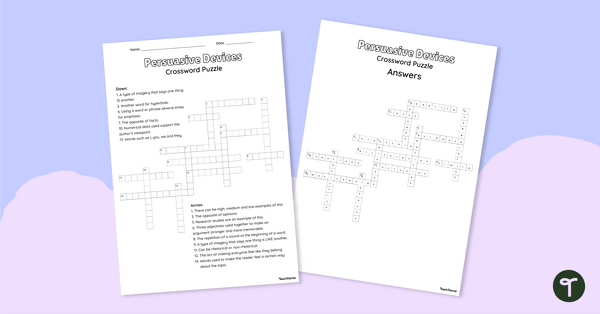
Persuasive Devices Crossword
Familiarise your students with the most common persuasive devices with an engaging crossword puzzle.
- Plus Plan
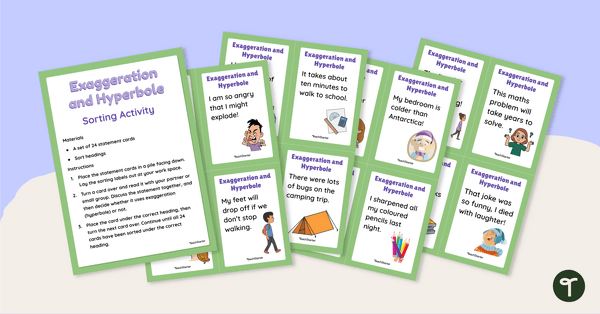
Exaggeration and Hyperbole Sorting Activity
Explore examples of hyperbole with your students using this set of 24 sorting cards perfect for your collaborative group work.
- Plus Plan
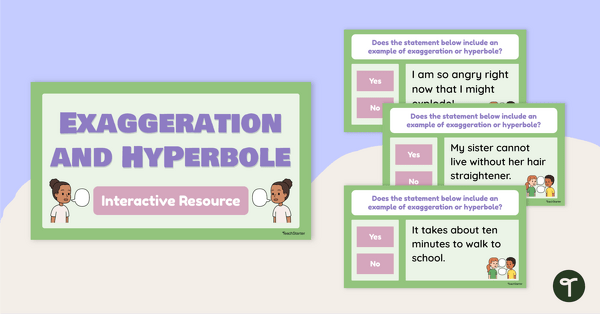
Exaggeration and Hyperbole Interactive Activity
Explore hyperbole examples with your students using this digital game perfect for lesson warm-ups or lesson wrap-ups.
- Plus Plan
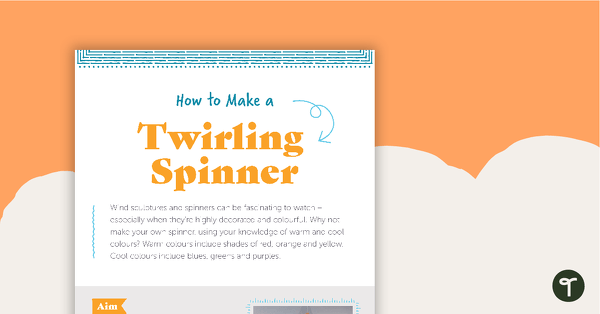
How to Make a Twirling Spinner Worksheet
A comprehension worksheet for a magazine procedure article about making a twirling spinner.