VC2M2N05
multiply and divide by one-digit numbers using repeated addition, equal grouping, arrays and partitioning to support a variety of calculation strategies
- making and naming arrays and using bar models to solve simple multiplication or sharing problems; for example, making different arrays to represent 12 and naming them as ‘3 fours’, ‘2 sixes’, ‘4 threes’ and ‘6 twos’, using physical or virtual materials to make arrays or using bar models to demonstrate that ‘3 fours’ is equal to ‘4 threes’
- finding the total number represented in an array by partitioning the array using subitising and number facts; for example, describing how they determined the total number of dots arranged in a ‘3 fives’ array by saying, ‘I saw 2 fives, which is 10, and then 5 more, which makes 15’
- recognising problems that can be solved using division and identifying the difference between dividing a set of objects into 3 equal groups and dividing the same set of objects into groups of 3
- using a Think Board to solve partition and quotition division problems; for example, sharing a prize of $36 between 4 people, using materials, a diagram and skip counting to find the answer, and explaining whether the answer ‘9’ refers to people or dollars
- using materials or diagrams, and skip counting, to solve repeated equal-quantity multiplication problems; for example, writing a repeated addition number sentence and using skip counting to solve the problem ‘Four trays of biscuits with 6 on each tray – how many biscuits are there?’
- Free Plan
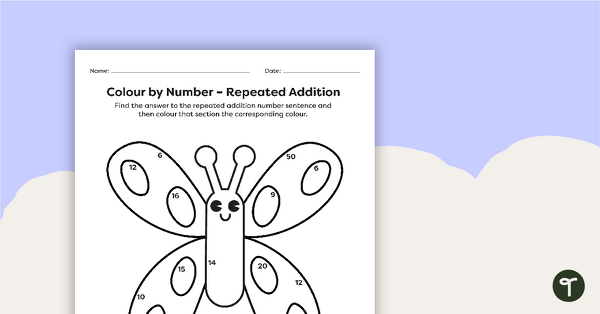
Colour by Number – Repeated Addition
An engaging activity to prepare students for understanding the concept of multiplication.
- Plus Plan
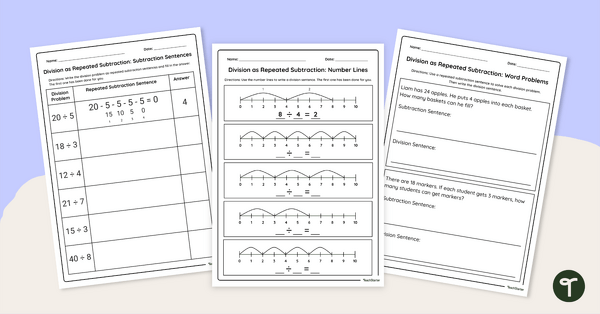
Division as Repeated Subtraction Worksheet Set
Share this division as repeated subtraction worksheet set with your students to teach division by building on subtraction concepts they are already familiar with.
- Plus Plan
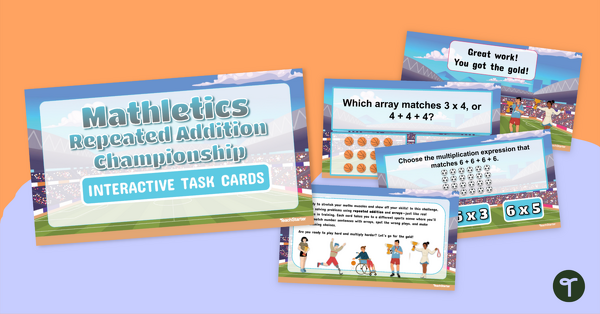
Repeated Addition Arrays Interactive Task Cards
Use our repeated addition arrays interactive task cards to introduce multiplication in a way your learners will more easily understand.
- Plus Plan
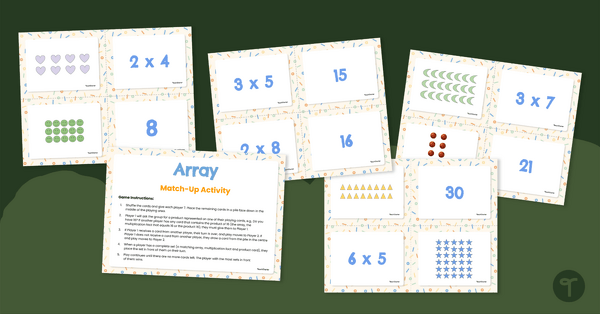
Array Match-Up Activity
Challenge your students to create sets of arrays, multiplication facts and products with this matching game.
- Plus Plan
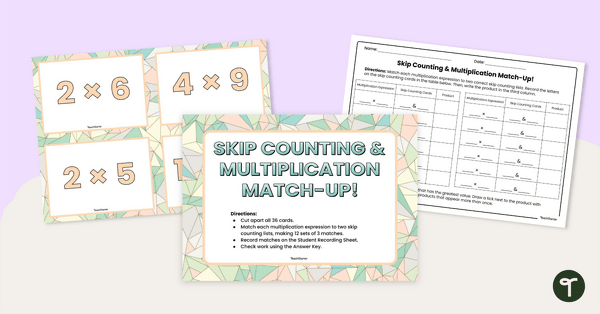
Skip Counting Multiplication Matching Game
Use this resource as a hands on-task to practise using skip counting to solve multiplication expressions.
- Plus Plan
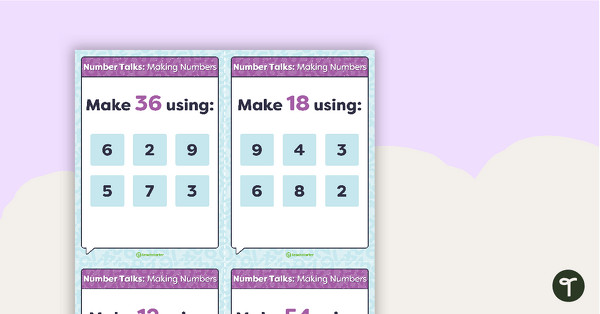
Number Talks - Making Numbers Task Cards
Build number sense skills with this set of 20 task cards.
- Plus Plan
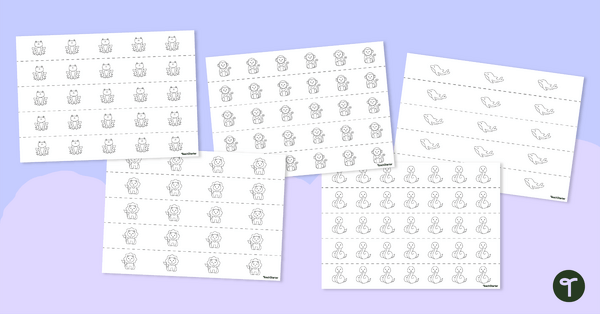
Array Manipulatives
An activity for students to use when learning about arrays.
- Plus Plan
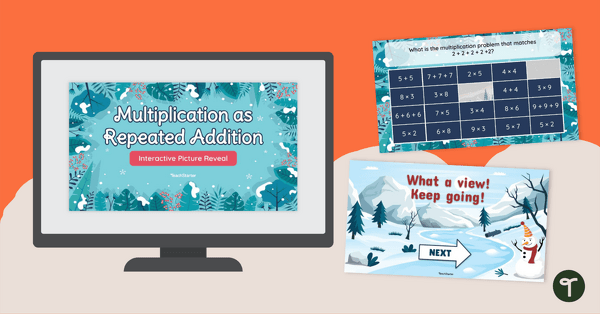
Multiplication as Repeated Addition – Interactive Picture Reveal
Help your students understand the relationship between repeated addition and multiplication with this interactive picture reveal.
- Plus Plan
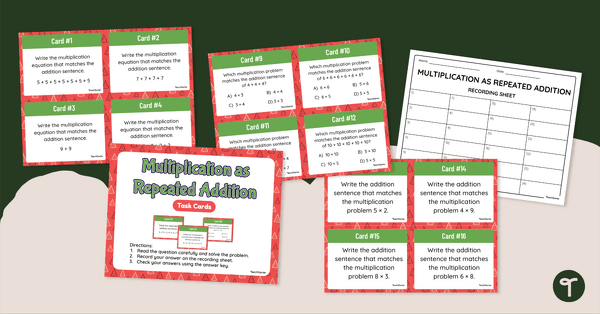
Multiplication as Repeated Addition Task Cards
Reinforce how repeated addition and multiplication are related with this set of 24 task cards.
- Plus Plan
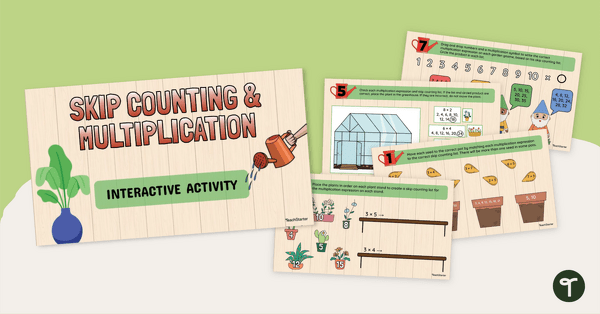
Skip Counting for Multiplication Interactive Activity
Teach multiplication using the skip counting strategy with this fun, interactive digital teaching resource!
- Plus Plan
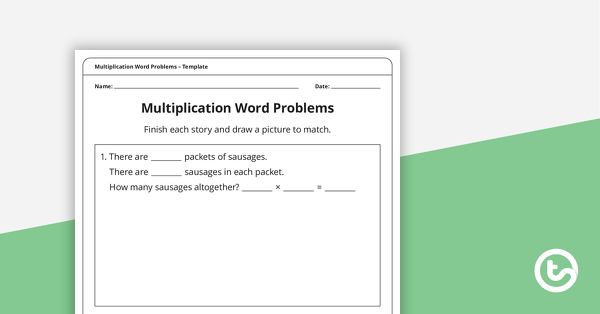
Multiplication Word Problems Template
A template to use as a scaffold to help students create multiplication word problems.
- Plus Plan
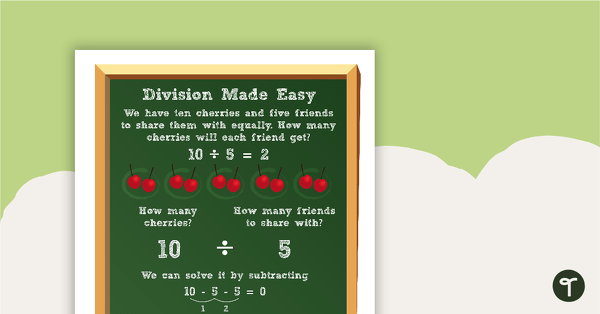
Division Made Easy Poster
Division broken down using the subtraction strategy.
- Plus Plan
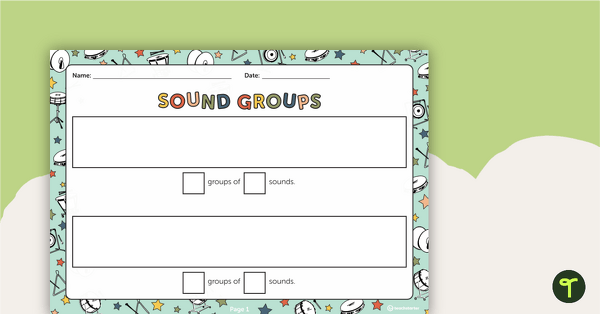
Sound Groups Worksheet
An engaging activity to consolidate understanding of groups and items within groups.
- Plus Plan
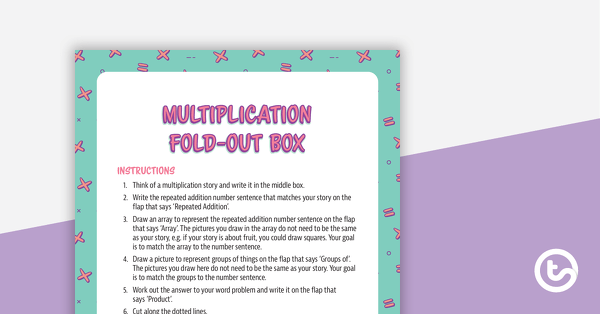
Multiplication Fold-out Box
A template to use to consolidate early multiplication skills.
- Plus Plan

Fill That Tummy Templates
A collection of large pictures to be used for display when beginning discussions about multiplication.
- Plus Plan
Multiplication Facts PowerPoint - One Times Tables
A 30 slide PowerPoint to use when learning about multiplication.
- Plus Plan
Sound Groups for Teaching Multiplication Video
Teach your students about equal groups in multiplication with this engaging video that combines multiplication with music!