ELAR K.2
Developing and sustaining foundational language skills: listening, speaking, reading, writing, and thinking--beginning reading and writing. The student develops word structure knowledge through phonological awareness, print concepts, phonics, and morphology to communicate, decode, and spell. The student is expected to:
- (1) demonstrate phonological awareness by:
- (A) identifying and producing rhyming words;
- (i) recognizing spoken alliteration or groups of words that begin with the same spoken onset or initial sound;
- (ii) identifying the individual words in a spoken sentence;
- (iii) identifying syllables in spoken words;
- (iv) manipulating syllables within a multisyllabic word; and
- (v) blending syllables to form multisyllabic words;
- (vi) segmenting multisyllabic words into syllables;
- (vii) blending spoken onsets and rimes to form simple words;
- (viii) blending spoken phonemes to form one-syllable words;
- (ix) segmenting spoken one-syllable words into individual phonemes;
- (x) demonstrate and apply phonetic knowledge by:
- (B) identifying and matching the common sounds that letters
represent;
- (i) using letter-sound relationships to decode, including VC, CVC, CCVC, and CVCC words;
- (ii) recognizing that new words are created when letters are changed, added, or deleted such as it - pit - tip - tap; and
- (iii) identifying and reading at least 25 high-frequency words from a research-based list;
- (iv) demonstrate and apply spelling knowledge by:
- (C) spelling words with VC, CVC, and CCVC;
- (i) spelling words using sound-spelling patterns; and
- (ii) spelling high-frequency words from a research-based list;
- (iii) demonstrate print awareness by:
- (D) identifying the front cover, back cover, and title page
of a book;
- (i) holding a book right side up, turning pages correctly, and knowing that reading moves from top to bottom and left to right with return sweep;
- (ii) recognizing that sentences are comprised of words separated by spaces and recognizing word boundaries;
- (iii) recognizing the difference between a letter and a printed word; and
- (iv) identifying all uppercase and lowercase letters; and
- (v) develop handwriting by accurately forming all uppercase and lowercase letters using appropriate directionality.
- (A) identifying and producing rhyming words;
- Plus Plan
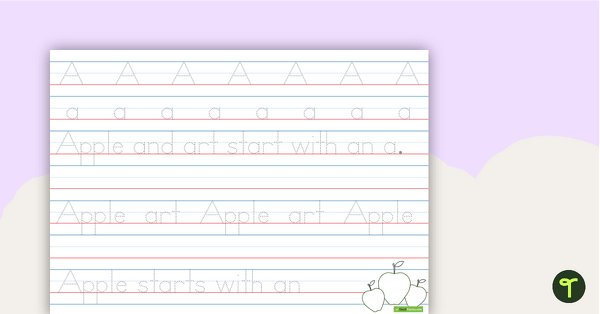
Alphabet Handwriting Sheets - Individual
Handwriting sheets for each letter of the alphabet.
- Plus Plan
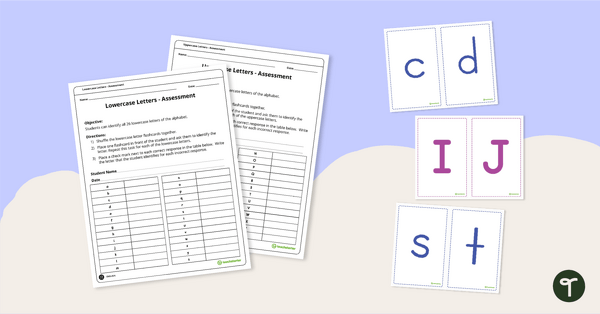
Phonics Assessment - Uppercase and Lowercase Letters
Test your students' knowledge of the uppercase and lowercase letters in the alphabet with this assessment kit.
- Plus Plan
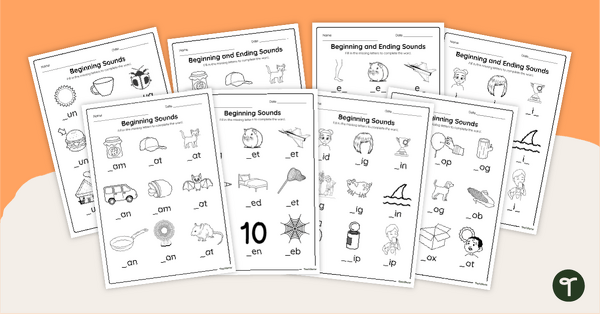
CVC Beginning and Ending Letters Worksheet Pack
Practice identifying missing beginning and ending sounds and letters in this set of 10 CVC worksheets.
- Plus Plan
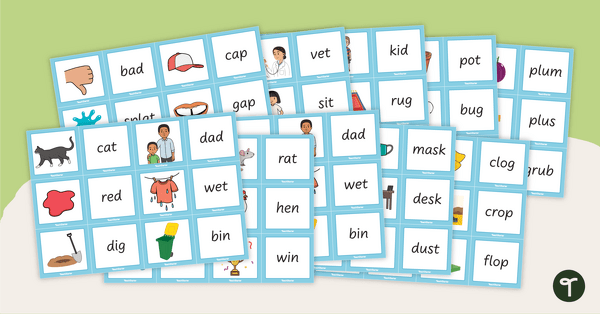
CVC/CCVC/CVCC Word Flashcards
A comprehensive set of flashcards for CVC, CCVC, and CVCC words.
- Plus Plan
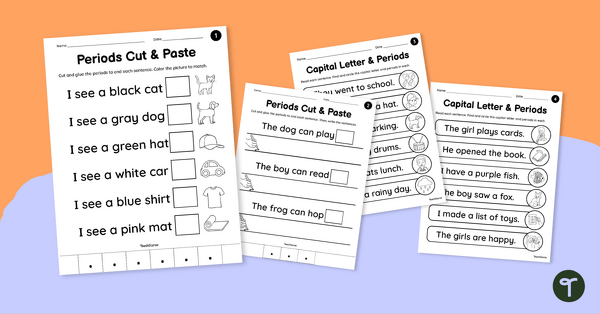
Capital Letter and Periods Worksheet Set
Explore capital letters at the start of sentences and periods at the end with this puncutation worksheet set.
- Plus Plan
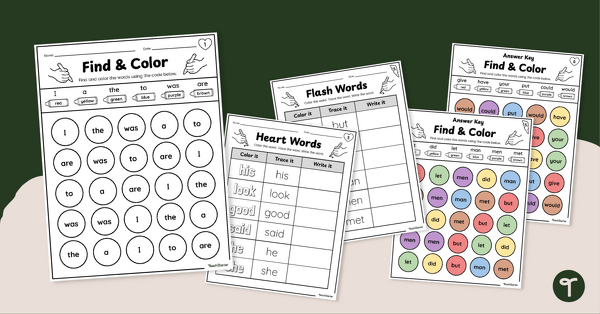
High Frequency Worksheet Pack - Kinder
Support your Kinder students as they build their early understanding of high‑frequency words with this fun and purposeful worksheet pack.
- Plus Plan
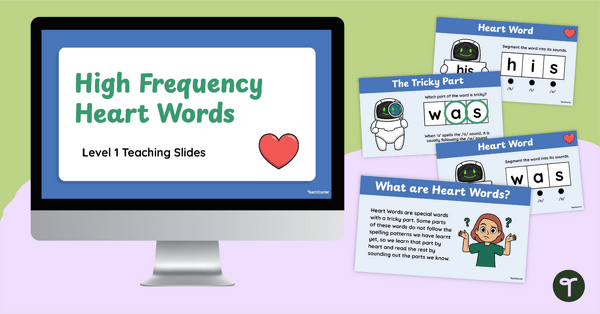
High Frequency Tricky Words Teaching Slides - Kinder
Use these explicit, ready-to-teach slides that help students segment sounds, identify the “tricky” part, and learn it by heart, aligned with structured literacy
- Plus Plan
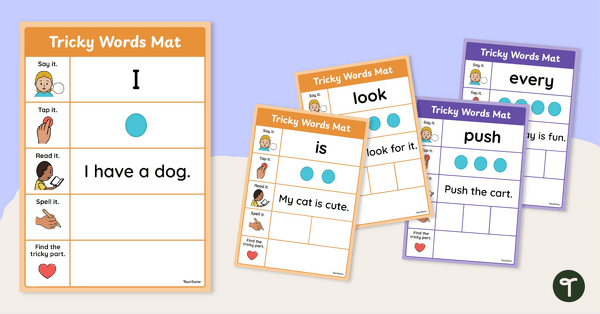
Tricky Words Activity Mats
Use these printable tricky word mats as a hands-on activity when introducing high frequency words that have an irregular spelling pattern or one your early readers haven’t learnt yet.
- Plus Plan

High Frequency Words Mini Book - Level 1
Use this high frequency mini book to track the heart words and flash words your students have mastered.
- Plus Plan
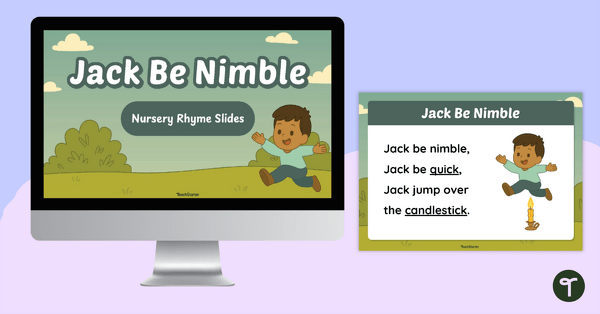
Jack Be Nimble – Nursery Rhyme Poster and PowerPoint
Use this “Jack be Nimble” nursery rhyme poster and PowerPoint to teach your youngest students about rhyme and rhythm.
- Plus Plan
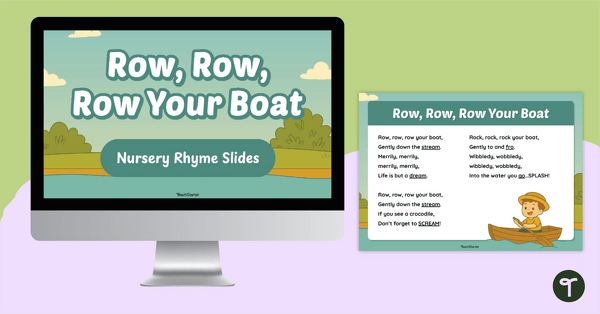
Row, Row, Row Your Boat – Nursery Rhyme Poster and PowerPoint
Use this “Row Row Row Your Boat” nursery rhyme poster and PowerPoint to teach your youngest students about rhyme and rhythm.
- Plus Plan
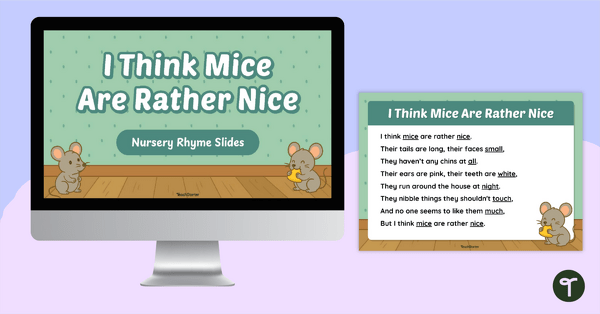
I Think Mice Are Rather Nice – Nursery Rhyme Poster and PowerPoint
Use this “I Think Mice Are Rather Nice” nursery rhyme poster and PowerPoint to teach your youngest students about rhyme and rhythm.
- Plus Plan
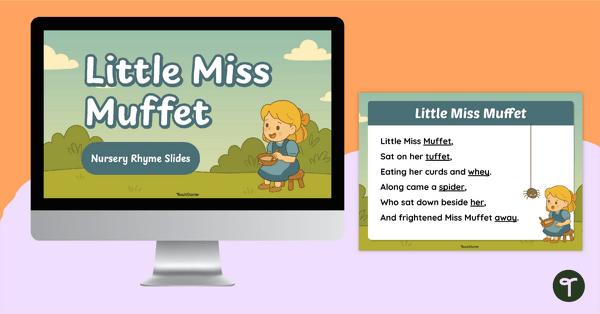
Little Miss Muffet – Nursery Rhyme Poster and PowerPoint
Use this “Little Miss Muffet” nursery rhyme poster to teach your youngest students the features of rhymes.
- Plus Plan
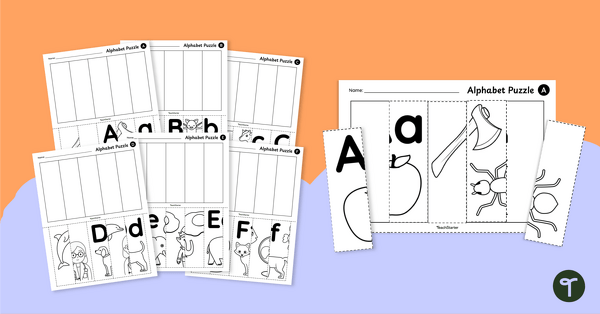
Uppercase and Lowercase Matching Activity Pack
Use these uppercase and lowercase matching cut and paste activities to help students identify and name both forms of each letter.
- Plus Plan
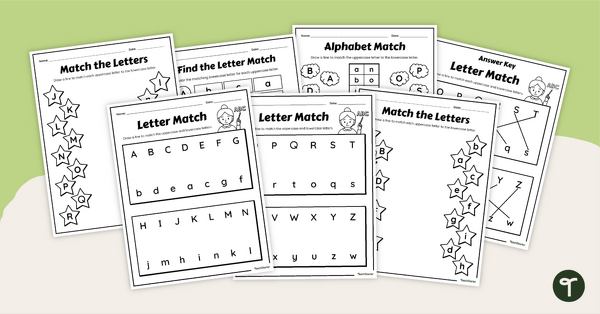
Uppercase and Lowercase Matching Worksheet Set
Use these uppercase and lowercase matching worksheets to help students identify and name both forms of each letter.
- Plus Plan
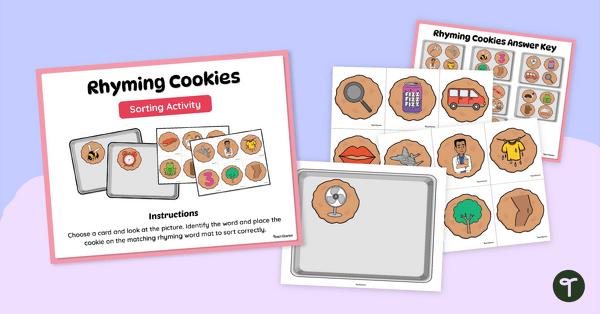
Rhyming Sort Cookies Activity Mats
Use this cookie tray rhyming sort to explore the auditory component of rhyming words to develop phonemic awareness in your students.
- Plus Plan
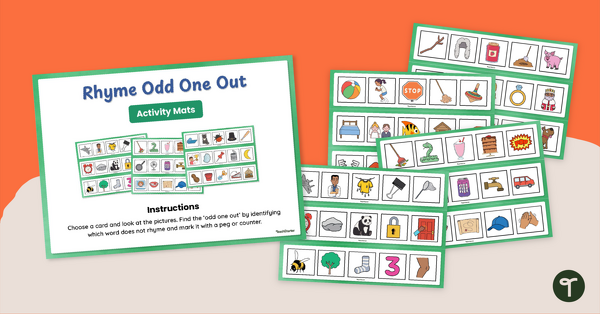
Rhyming Odd One Out Activity Mats
Use this Rhyming Odd One Out activity to support students phonemic awareness.
- Plus Plan
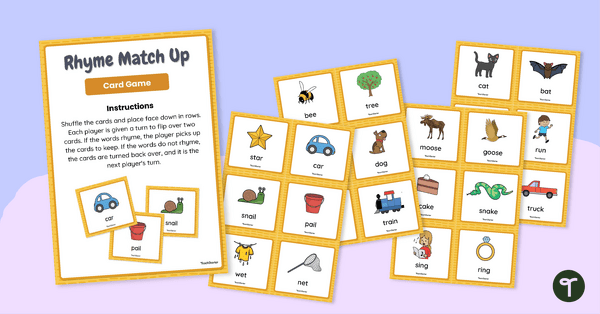
Rhyming Card Game
A concentration style rhyming card game that can be used to consolidate students' knowledge of rhyming words.
- Plus Plan
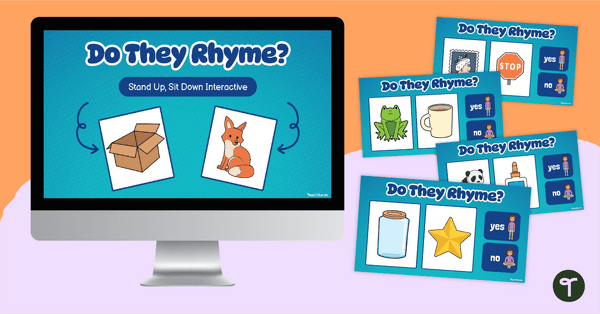
Rhyming Game - Stand Up, Sit Down Digital Activity
Explore rhyming words with this fun and engaging rhyming words game.
- Plus Plan
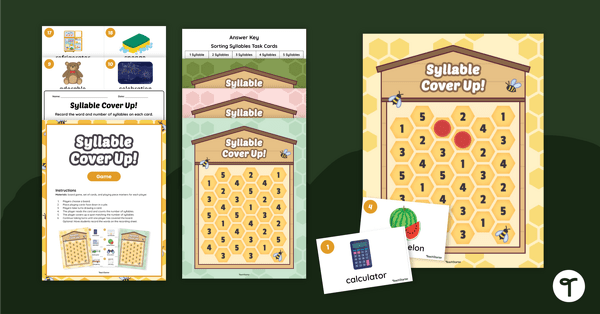
Counting Syllables Game
Practice counting syllables in this beehive-themed Counting Syllables Game.
- Plus Plan
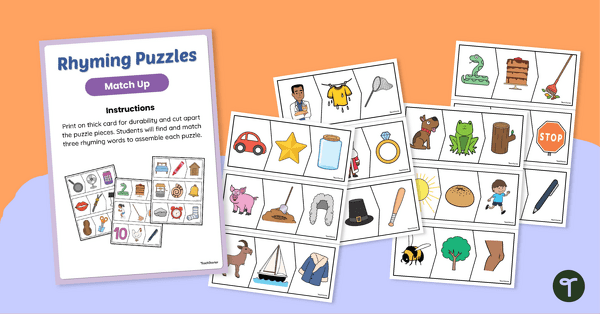
Rhyming Puzzle Match Up
Help early learners with their phonological awareness with this cute set of printable rhyming puzzles.
- Plus Plan
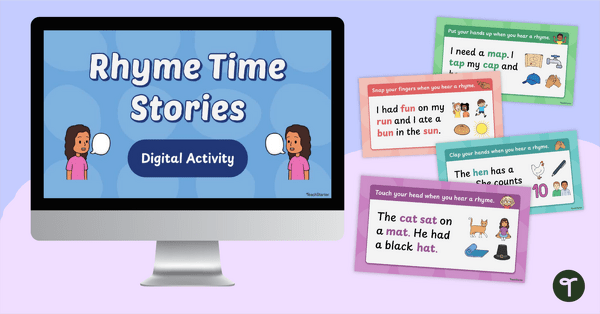
Rhyme Time Stories PowerPoint
Use this Rhyme Time Stories PowerPoint to explore auditory recognition of rhyming words with your young readers.
- Plus Plan
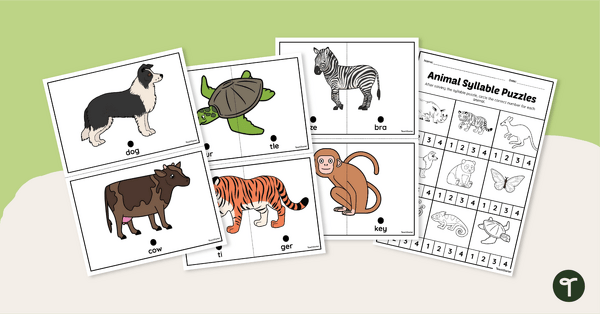
Syllable Activity – Animal Puzzle
Build students phonological awareness with this syllable activity where students build animal pictures with the number of syllables.
- Plus Plan
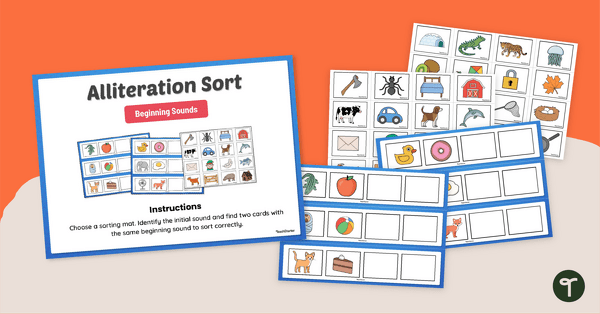
Alliteration Sorting by Beginning Sound Activity
Explore beginning sounds and alliteration with this engaging and age-appropriate picture sort activity—perfect for your phonics and early literacy lessons.
- Plus Plan
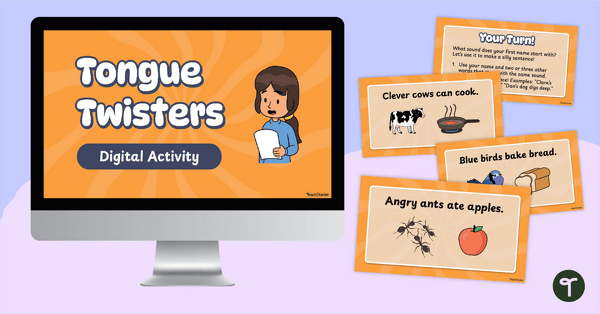
Alliteration Tongue Twister Sentences PowerPoint
Develop your students phonological awareness with these fun alliteration tongue twisters for kids.
- Plus Plan
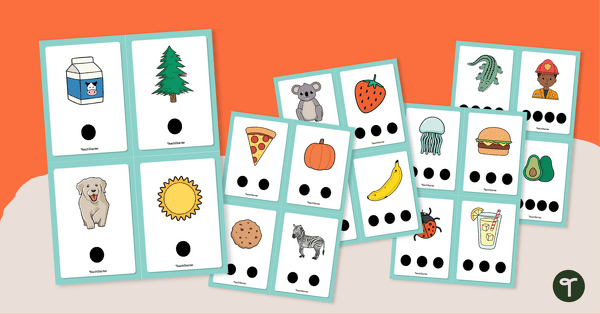
Syllable Flashcards
Develop phonological awareness in young children with our Syllable Flashcards.
- Plus Plan
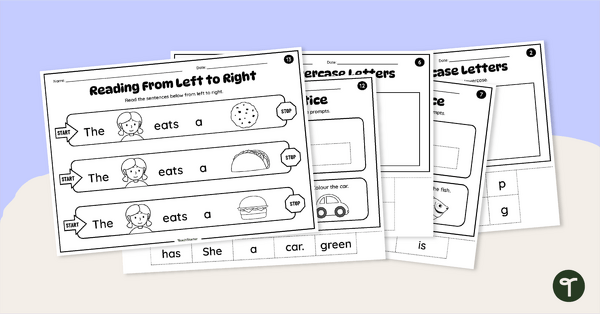
Concepts of Print Worksheet Pack
Help students master the fundamentals of reading with this Concepts of Print Worksheet pack.
- Plus Plan
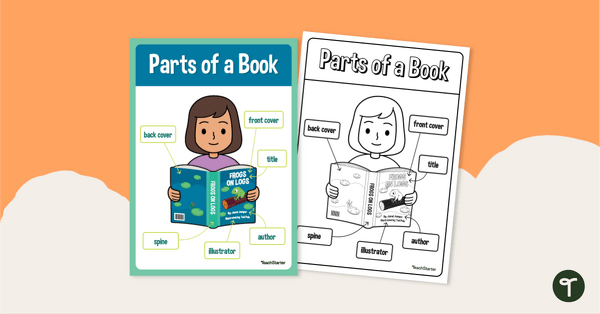
Parts of a Book Poster
Discover the parts of a book and understand the conventions of print with this classroom poster.
- Plus Plan
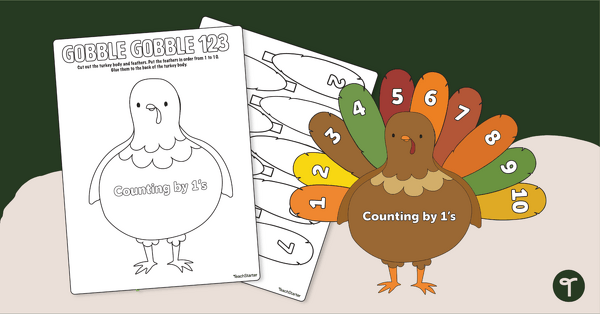
ABC and 123 Turkey With Feathers Printable Activity
Practice counting, skip counting, and the letters of the alphabet with our ABC and 123 Turkey With Feathers Craft Template.
- Plus Plan
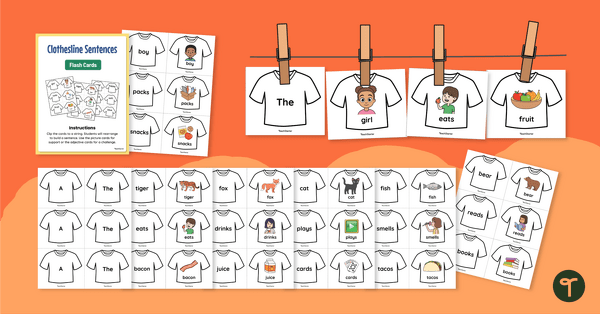
Build a Sentence Activity - Sentence Clothesline
Create simple sentences with this printable Build a Sentence Activity Sentence Clothesline resource.
- Plus Plan
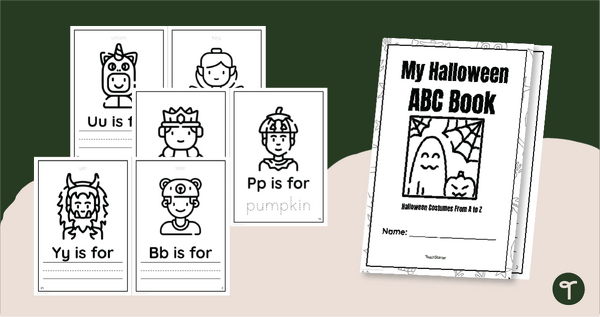
Halloween ABC Book for Handwriting Practice
Print and use this Halloween ABC Book template to help your students build letter recognition and handwriting skills.
- Plus Plan
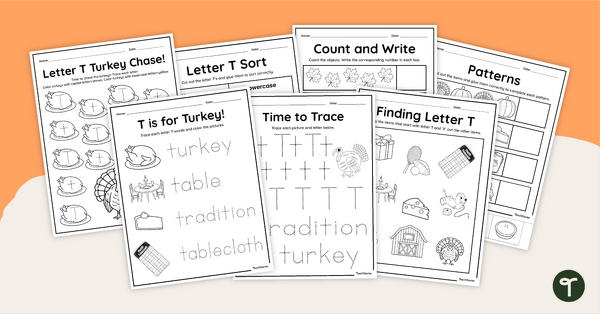
T is for Turkey - Letter T Worksheets
Letter T Worksheets are a fun and engaging way for preschool and kindergarten students to learn the alphabet with a festive Thanksgiving twist.