Scientific and Engineering Practices
Scientific inquiry is the planned and deliberate investigation of the natural world using scientific and engineering practices. Scientific methods of investigation are descriptive, comparative, or experimental. The method chosen should be appropriate to the grade level and question being asked. Student learning for different types of investigations include descriptive investigations, which involve collecting data and recording observations without making comparisons; comparative investigations, which involve collecting data with variables that are manipulated to compare results; and experimental investigations, which involve processes similar to comparative investigations but in which a control is identified.
(i) Scientific practices. Students ask questions, plan and conduct investigations to answer questions, and explain phenomena using appropriate tools and models.
(ii) Engineering practices. Students identify problems and design solutions using appropriate tools and models.
(iii) To support instruction in the science content standards, it is recommended that districts integrate scientific and engineering practices through classroom and outdoor investigations for at least 80% of instructional time.
- Plus Plan
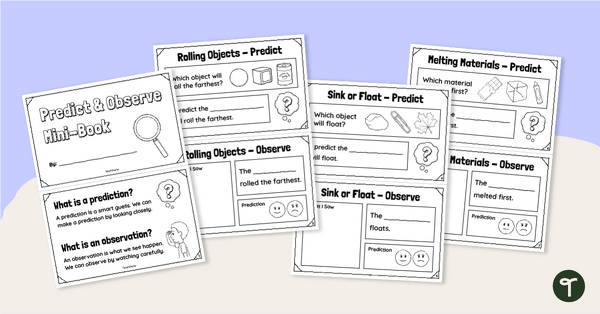
Predict and Observe Science Investigations Booklet (K-1)
Introduce your K-1 students to scientific investigation with a printable Predict and Observe Science Lab Activity Booklet.
- Plus Plan
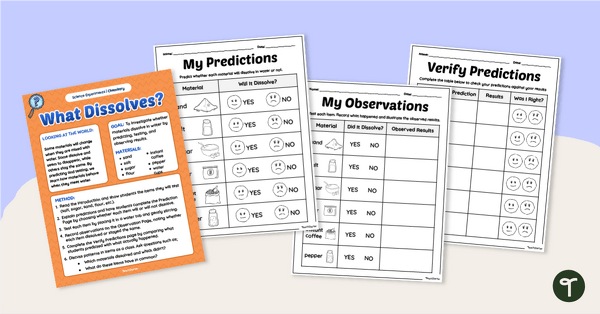
What Dissolves? Science Inquiry Activity (K-1)
Introduce science inquiry skills and investigate whether materials dissolve in water with a hands-on science experiment for early learners.
- Plus Plan
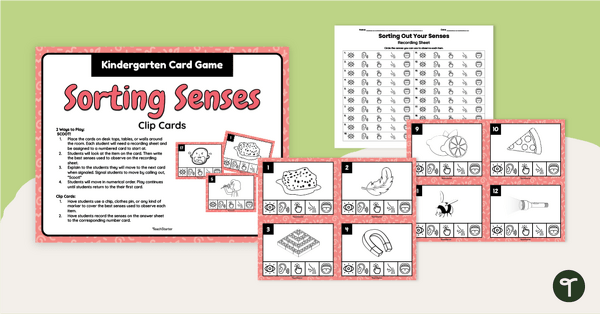
Sorting Senses Card Game
Help your little learners observe the world with their five senses with a printable 5 Senses Card Game.
- Plus Plan
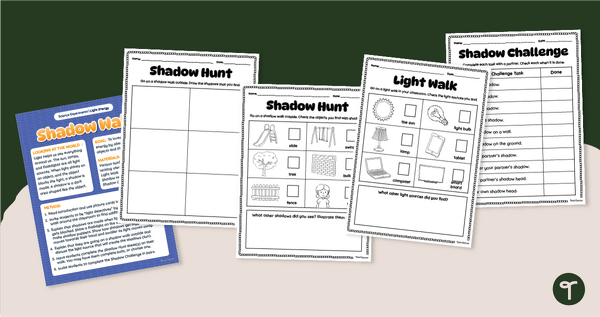
Shadow Walk Activity Pack (K-1)
Explore light and shadow while building science observation skills with a printable Shadow Walk Activity Pack.
- Plus Plan
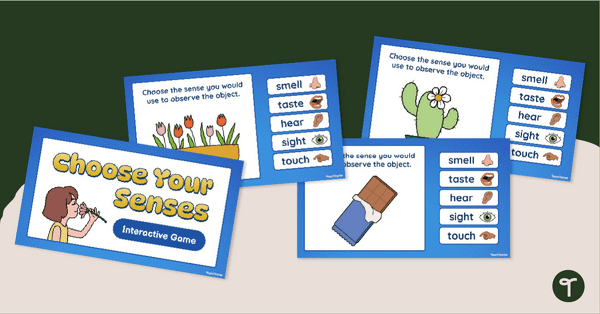
Choose Your Senses Game - Interactive
Teach your students about the five senses and how they can be used to observe the world around them with an interactive 5 Senses Game.
- Plus Plan
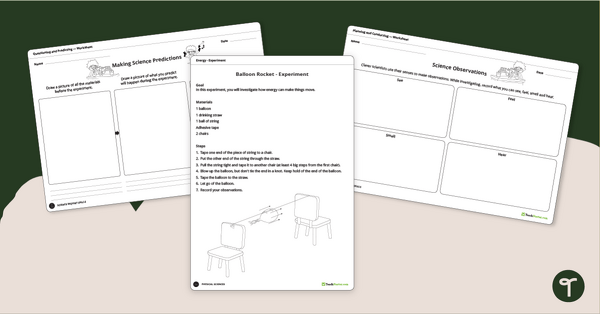
Balloon Rocket Experiment
Complete a hands-on Balloon Rocket experiment to use when investigating how energy can make things move.
- Plus Plan
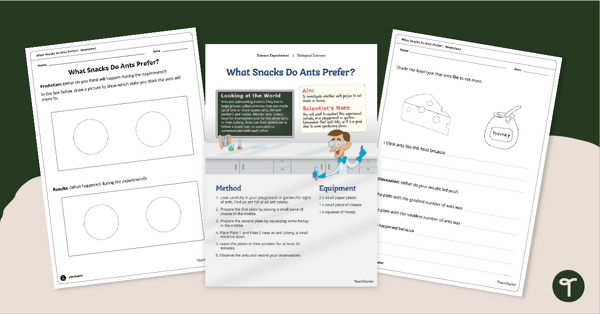
Science Experiment - What Snacks Do Ants Prefer?
Teach your students how to make scientific predictions and observations with an engaging hands-on science experiment..
- Plus Plan
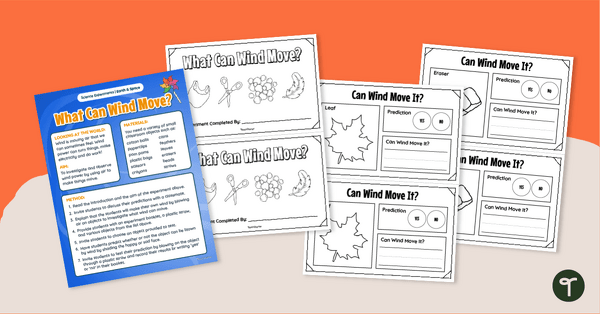
What Can Wind Move? Wind Power Experiment
Investigate the power of wind with a printable Wind Power Experiment for kindergarten.
- Plus Plan
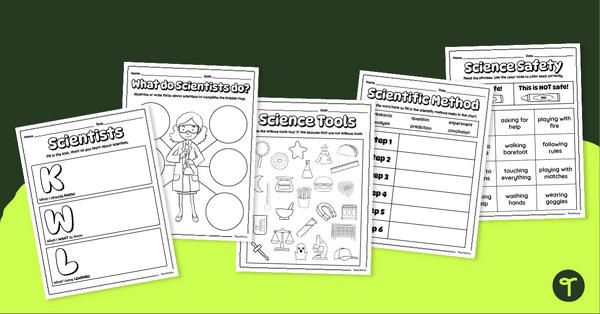
What is a Scientist? Worksheet Pack
Help your students learn what a scientist is and what scientists do with a set of printable science worksheets for primary grades/
- Plus Plan
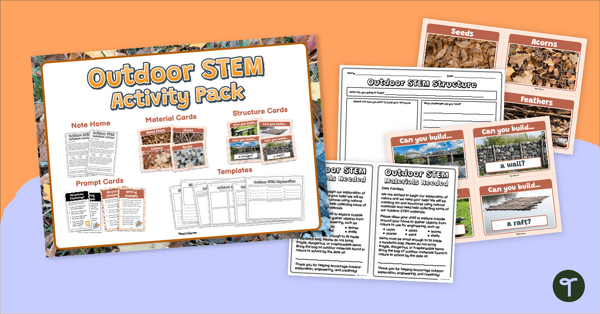
Outdoor STEM Activities Resource Pack
Take your STEM lessons outside with our printable Outdoor STEM Activities Resource Pack.
- Plus Plan
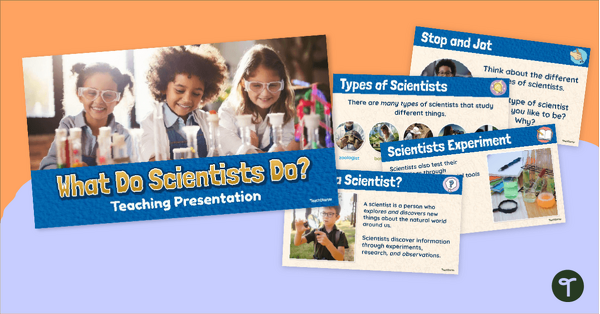
What Do Scientists Do? Teaching Slides
Discover what scientists do, the tools they use, and more with our 'What Do Scientists Do?' Teaching Presentation.
- Plus Plan
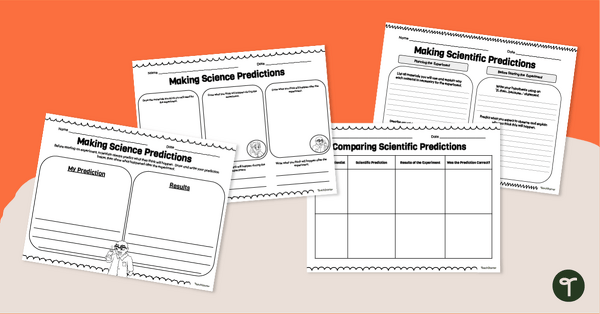
Making a Prediction in Science Worksheets (Differentiated)
Introduce your students to making predictions in science with a set of differentiated Scientific Prediction Worksheets.
- Plus Plan
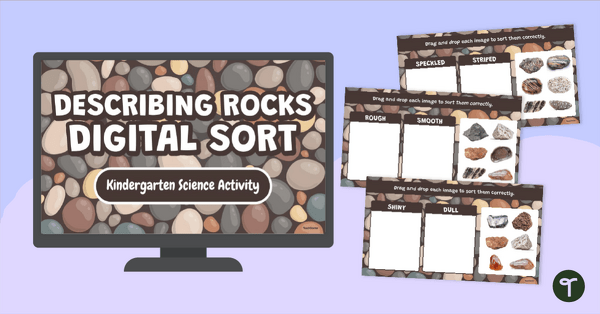
Physical Properties of Rocks - Digital Rock Sorting Activity
Use a Digital Rock Sorting Activity to help your kindergarten students learn to observe and describe the properties of rocks.
- Plus Plan
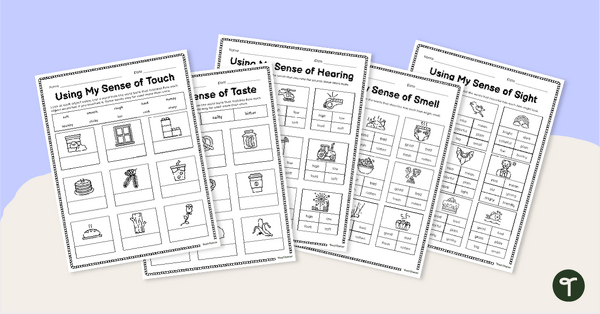
5 Senses Activity Sheets
Identify and describe things using the five senses with a set of printable 5 senses worksheets for kindergarten and 1st grade.
- Plus Plan
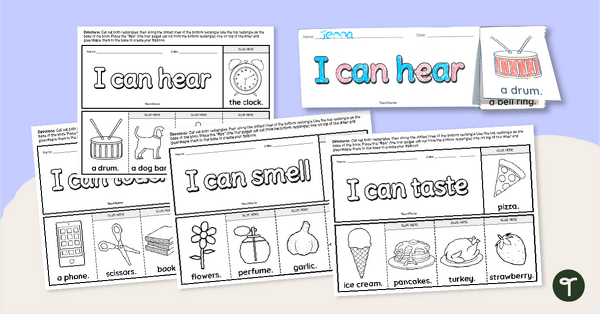
5 Senses Mini Flip Book Pack
Create a flipbook to help your early learners learn about the five senses.
- Plus Plan
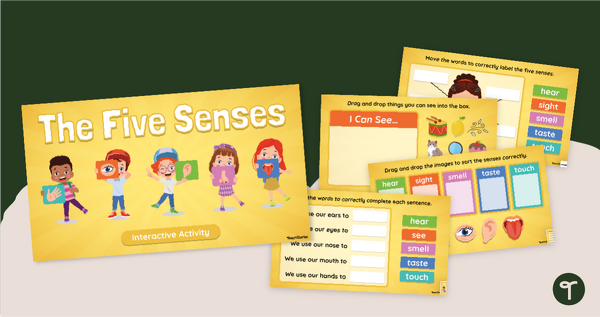
Five Senses Digital Resource - Drag & Drop
Engage your students in learning about their five senses with an Interactive Digital Learning Activity.
- Plus Plan
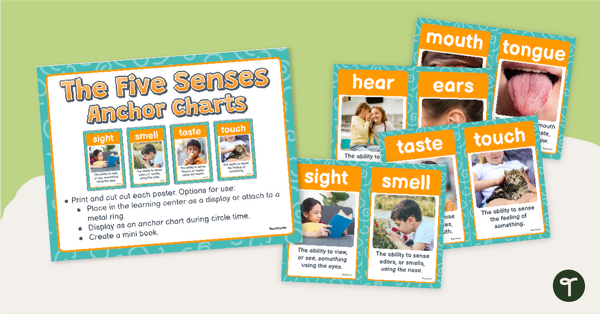
Five Senses Anchor Charts
Help your students identify their five senses and the organs they use to sense the world around them with a set of printable 5 senses anchor charts.
- Plus Plan
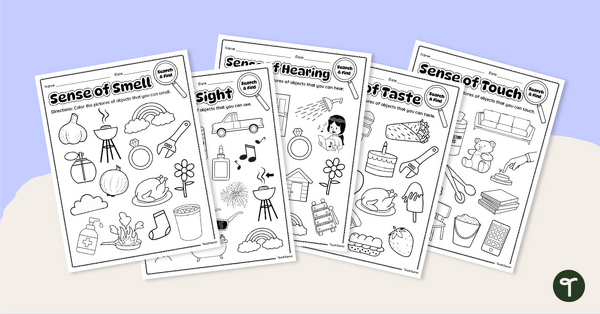
Five Senses Coloring Worksheets
Help your students understand more about their five senses with a pack of printable 5 Senses coloring worksheets.
- Plus Plan
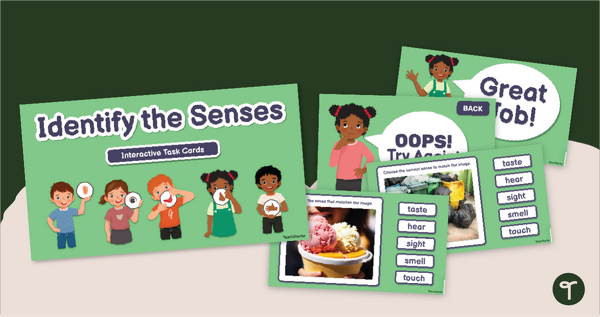
My Five Senses - Google Slides Game
Help your students learn about their five senses with an engaging Google Slides Game!
- Plus Plan
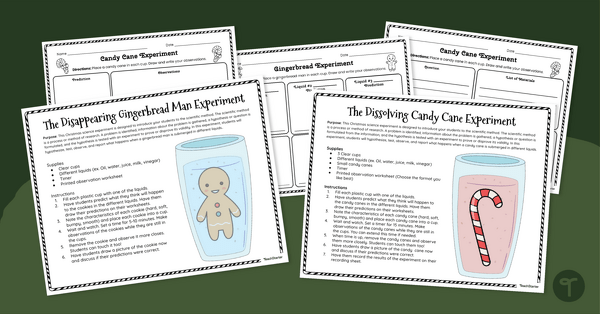
Christmas Science Experiments
Perform Christmas Science Experiments and teach your students about the scientific method with a set of two printable Christmas Science activities.
- Plus Plan
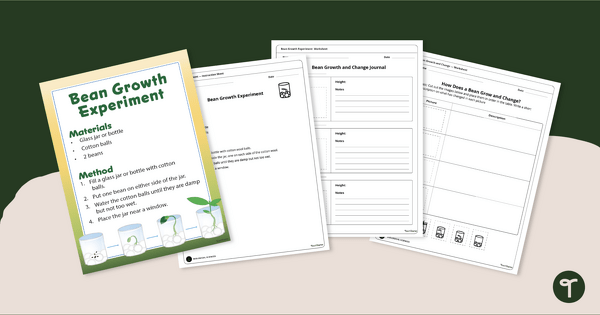
Bean Growth Experiment
“Grow” your students’ knowledge of plant life cycles with a plant growth experiment.
- Plus Plan
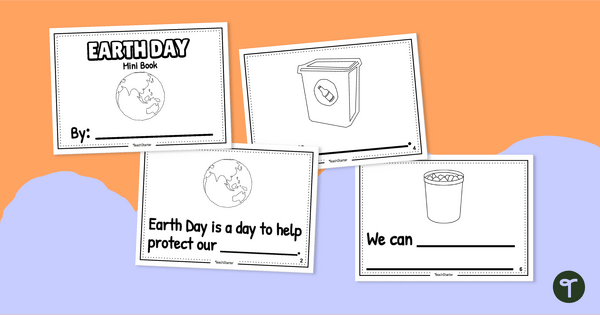
Earth Day Booklet
Help your young students learn and write about Earth Day with a printable Earth Day booklet for kids.
- Plus Plan
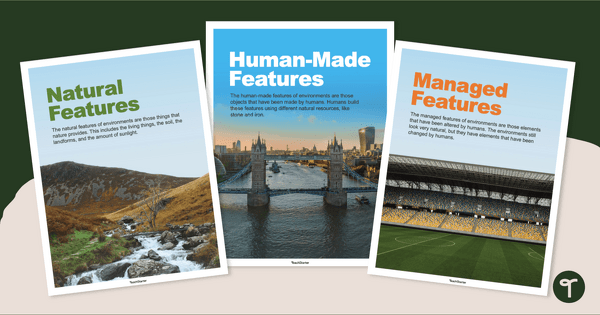
Natural, Managed, and Human-Made Features Posters
Identify the natural, manmade, and managed features of environments with printable anchor charts.
- Plus Plan
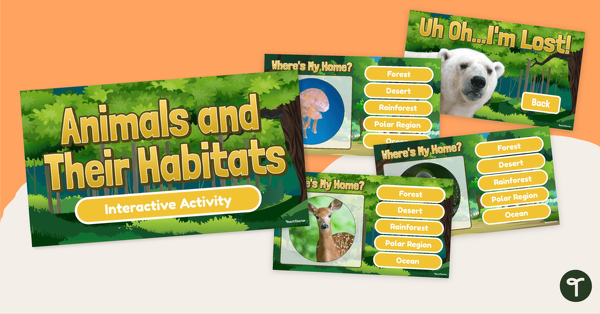
Animals and Their Habitats- Interactive Activity
Help a lost polar bear (and his friends) return to the correct habitat with a Google Slides interactive activity.
- Plus Plan
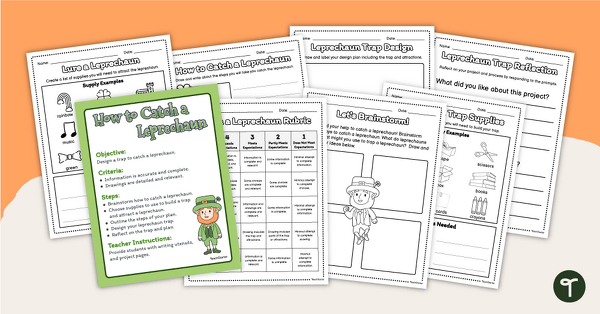
Building Leprechaun Traps - Kindergarten STEM Project
Complete a Leprechaun Trap School project with printable Leprechaun Trap STEM worksheets for Kindergarten and 1st grade.
- Plus Plan
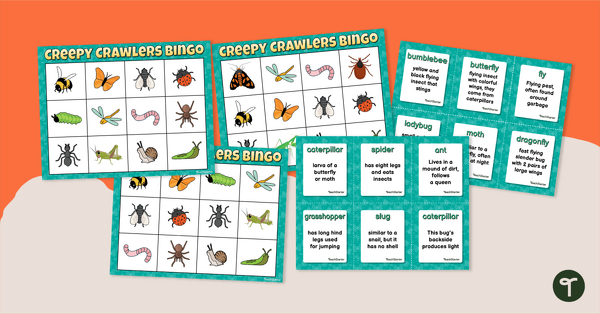
Insects for Kids - Bingo Game
Learn about creepy crawly insects with a Bug Bingo Game for preschoolers.
- Plus Plan
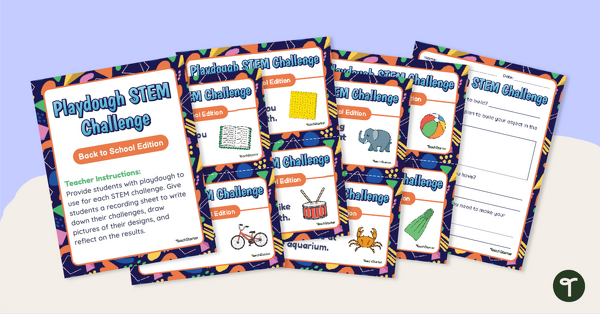
Playdough STEM Challenge – Task Cards
Use this set of STEM challenge cards to foster critical thinking and problem-solving by building various items with playdough.
- Plus Plan
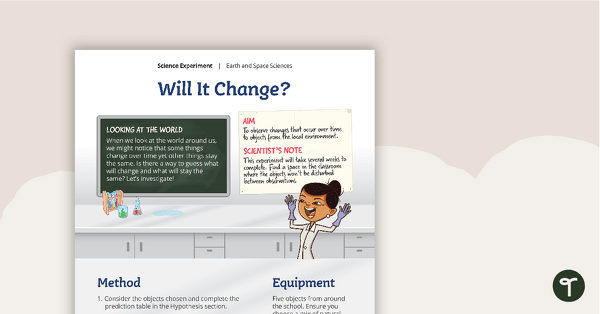
Science Experiment - Will It Change?
A science investigation in which the students observe changes that occur to various objects over time.
- Plus Plan
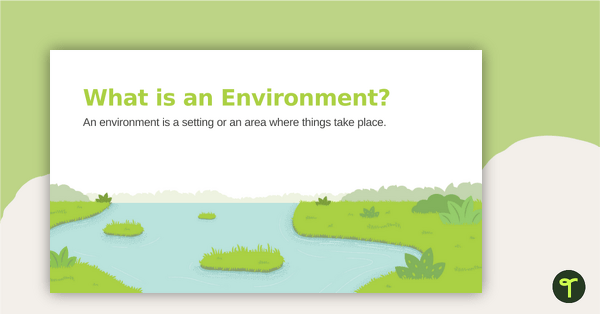
Natural, Managed, and Constructed Environments PowerPoint
Explore some of the features of environments with this 17-slide teaching deck.
- Plus Plan
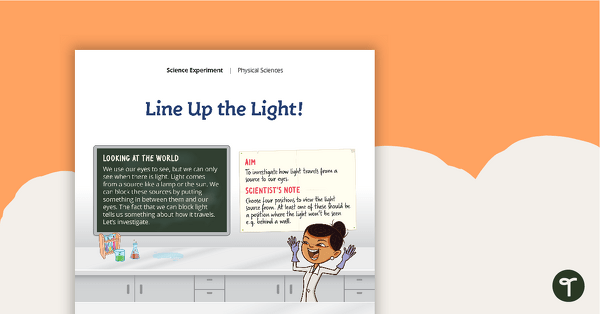
Science Experiment - Line Up the Light!
A science experiment which explores how light travels.
- Plus Plan
Changes I Can See!
This Earth and Space Sciences unit explores how and why observable changes occur in the sky and landscape, and develops students' ability to describe these changes in their local environment.
- Plus Plan
Assessment - Changes I Can See