Years 3 and 4
The Year 3 and 4 curriculum further develops students' knowledge, understanding and skills in relation to their health, wellbeing, safety and participation in physical activity. In these years, students begin to explore personal and social factors that support and contribute to their identities and emotional responses in varying situations. They also develop a further understanding of how their bodies grow and change as they get older.
The content explores knowledge, understanding and skills that supports students to build and maintain respectful relationships, make health-enhancing and safe decisions, and interpret health messages from different sources to take action to enhance their own health and wellbeing.
The curriculum in Years 3 and 4 builds on previous learning in movement to help students develop greater proficiency across the range of fundamental movement skills. Students combine movements to create more complicated movement patterns and sequences. Through participation in a variety of physical activities, students further develop their knowledge about movement and how the body moves. They do this as they explore the features of activities that meet their needs and interests and learn about the benefits of regular physical activity.
The Year 3 and 4 curriculum also gives students opportunities to develop through movement personal and social skills such as leadership, communication, collaboration, problem-solving, persistence and decision-making.
Focus areas to be addressed in Years 3 and 4 include:
- alcohol and other drugs (AD)
- food and nutrition (FN)
- health benefits of physical activity (HBPA)
- mental health and wellbeing (MH)
- relationships and sexuality (RS)
- safety (S)
- active play and minor games (AP)
- challenge and adventure activities (CA)
- fundamental movement skills (FMS)
- games and sports (GS)
- lifelong physical activities (LLPA)
- rhythmic and expressive movement activities (RE).
(source: www.australiancurriculum.edu.au)
Achievement Standard
By the end of Year 4, students recognise strategies for managing change. They identify influences that strengthen identities. They investigate how emotional responses vary and understand how to interact positively with others in a variety of situations. Students interpret health messages and discuss the influences on healthy and safe choices. They understand the benefits of being healthy and physically active. They describe the connections they have to their community and identify local resources to support their health, wellbeing, safety and physical activity.
Students apply strategies for working cooperatively and apply rules fairly. They use decision-making and problem-solving skills to select and demonstrate strategies that help them stay safe, healthy and active. They refine fundamental movement skills and apply movement concepts and strategies in a variety of physical activities and to solve movement challenges. They create and perform movement sequences using fundamental movement skills and the elements of movement.
(source: www.australiancurriculum.edu.au)
- Plus Plan
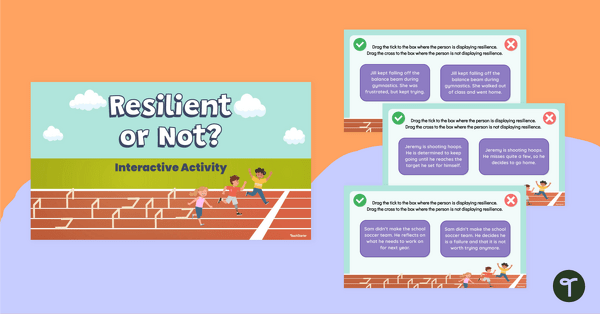
Resilience or Not? Interactive Sorting Activity
Explore examples of resilience by playing this interactive sorting game perfect for your social-emotional learning lessons.
- Free Plan
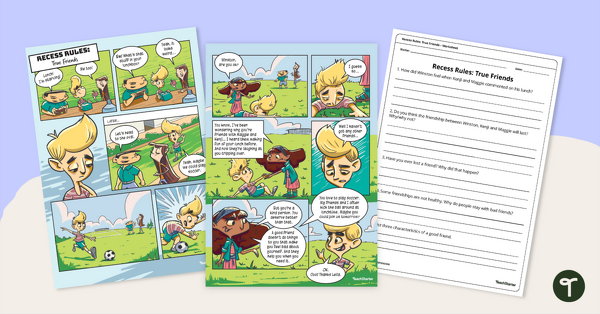
Recess Rules: True Friends – Worksheet
Learn about being a good friend while also brushing up on those reading comprehension skills with this comic strip activity.
- Plus Plan
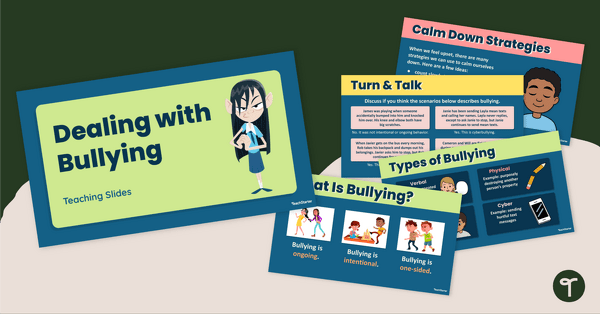
Dealing with Bullying Teaching Slides
Teach your students about bullying and how to deal with it with this comprehensive teaching presentation.
- Plus Plan
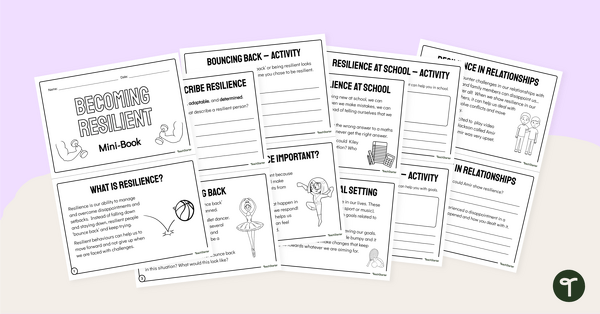
Becoming Resilient Mini-Book
Use this printable resilience book to teach your students what resilience means and how it can be used as a tool in their everyday lives.
- Free Plan
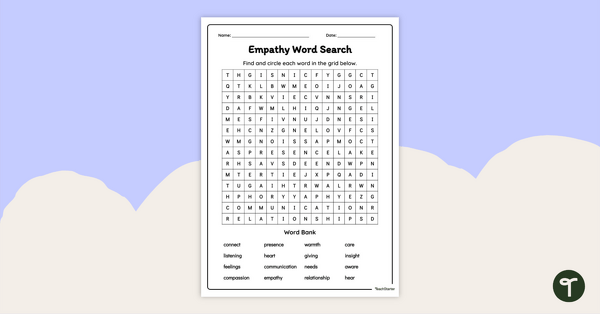
Empathy Word Search
Introduce or review vocabulary terms related to empathy with this free word search worksheet.
- Plus Plan
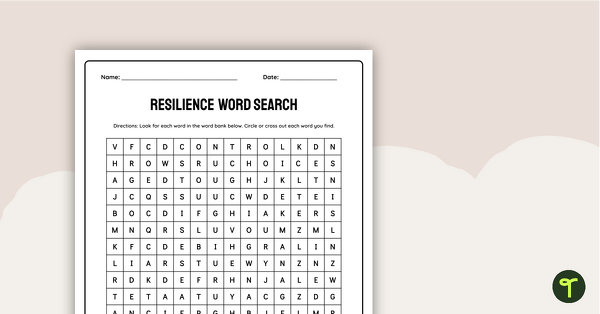
Resilience Word Search
Use this resilience word search to immerse your students in the key vocabulary related to this important social-emotional skill.
- Free Plan
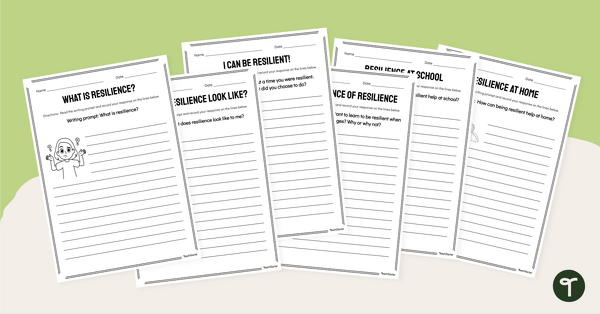
Resilience Writing Prompts
Use this set of resilience writing prompts to help your students reflect upon times they have observed resilience in themselves and others.
- Free Plan
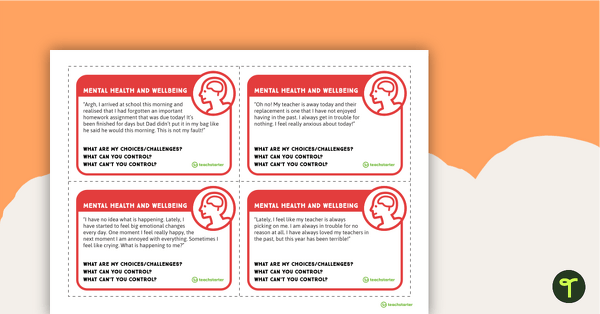
Social Strategies Task Cards
A teaching resource to help students strategise solutions to problems around mental health and social well being
- Plus Plan

'My Goal Tree' - Goal Management Worksheet
Use our Goal Management Worksheet Tree Template to grow new goals at the beginning of the year or term.
- Plus Plan
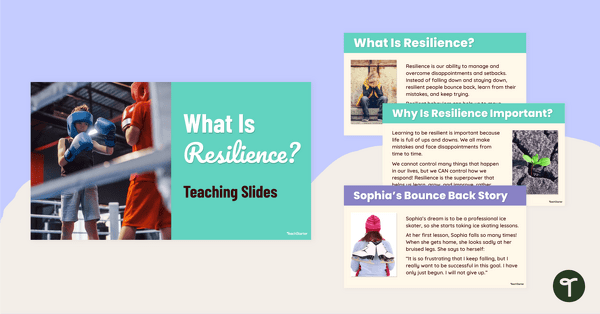
What Is Resilience? Teaching Slides
Teach your students the meaning of resilience with this age-appropriate slide deck perfect for your social-emotional learning lessons.
- Plus Plan
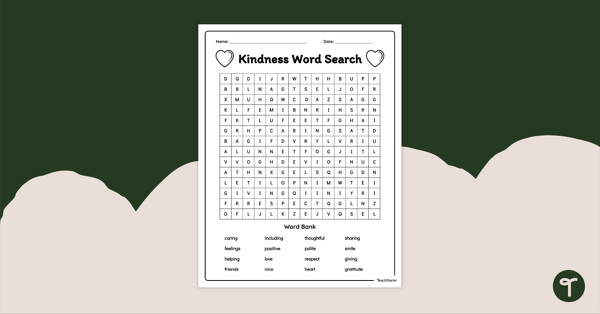
Kindness Word Search
Download a printable word search about kindness to explore this important aspect of social awareness with your students.
- Free Plan
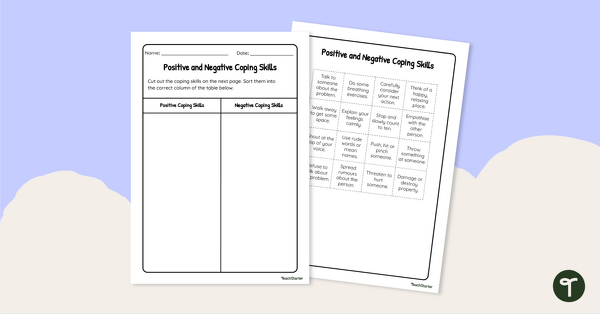
Positive and Negative Coping Skills – Cut and Paste Worksheet
Explore the difference between positive and negative coping skills with this cut and paste worksheet.
- Plus Plan
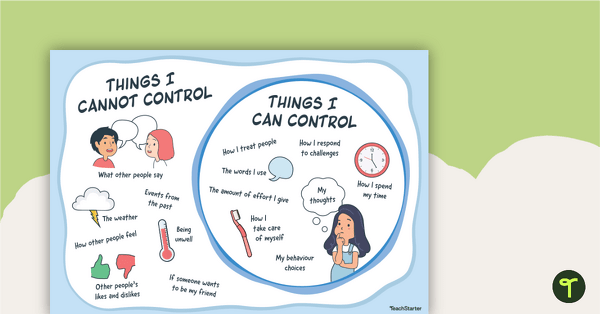
Circle of Control Poster
Display this poster in your classroom to remind students about the things in life they can and cannot control.
- Plus Plan
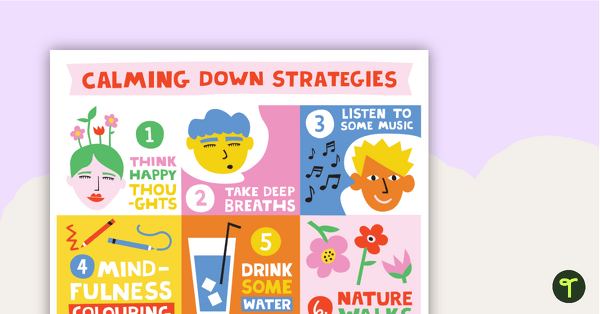
Calming Down Strategies Classroom Poster
Make calming down strategies easily accessible for your students with this classroom display poster.
- Plus Plan
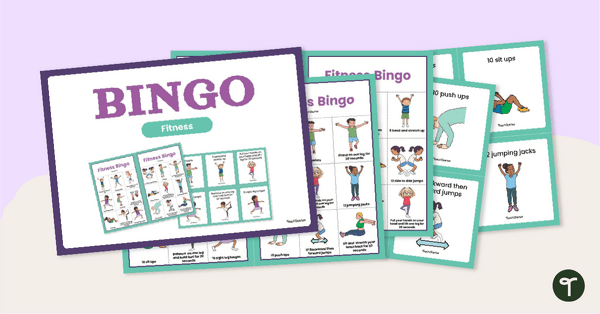
Fitness Bingo Game Cards
Get active in the classroom with this set of fitness bingo cards
- Plus Plan
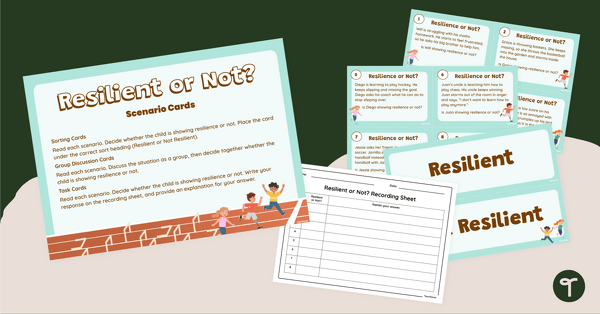
Resilience or Not? Scenario Task Cards
Get students to explore real-life examples of resilience with this set of 16 scenario cards perfect for developing students' social-emotional skills.
- Free Plan
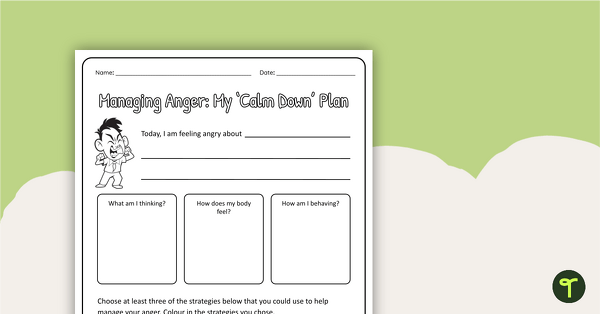
Managing Anger Worksheet (Lower Primary)
Help students identify and manage their anger with this self-relfection worksheet.
- Plus Plan
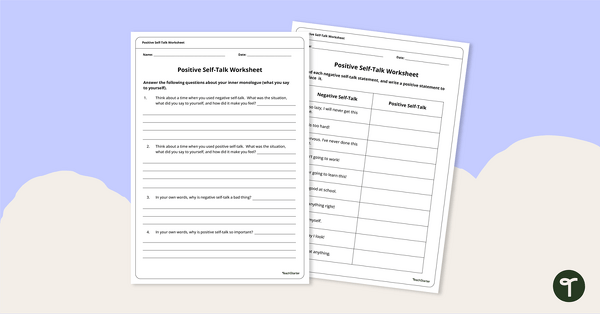
Positive Self-Talk Worksheet
Encourage students to analyse their individual self-talk practices and establish a growth mindset with this personal assessment worksheet.
- Plus Plan
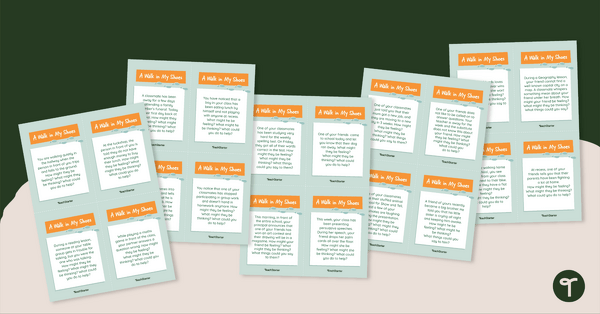
A Walk in My Shoes – Empathy Task Cards
Use these empathy scenario cards with your students when teaching them about social awareness.
- Plus Plan
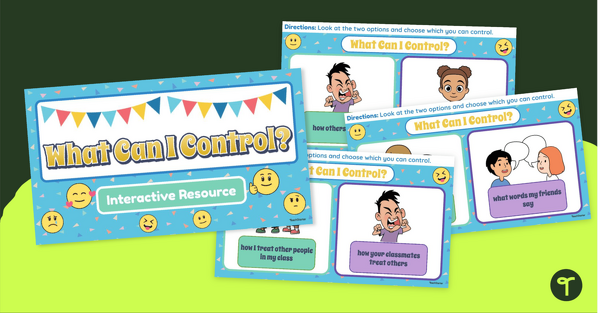
What Can I Control? Interactive Resource
Learn about self regulation with this PowerPoint about things that you can and cannot control at school.
- Free Plan
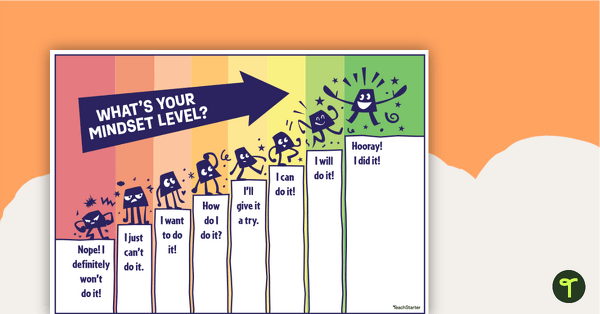
What's Your Mindset Level? - Poster
Encourage your students to adopt a growth mindset with this engaging classroom poster.
- Plus Plan
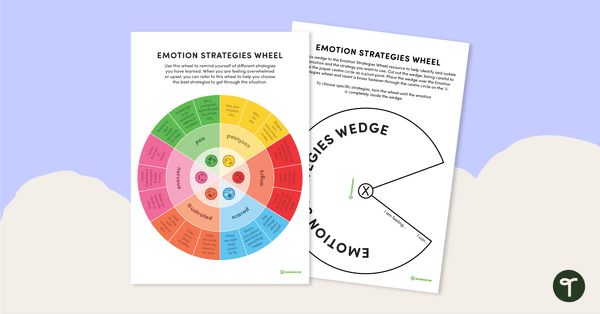
Emotion Strategies Wheel
Help your students self-regulate when they experience 'big' emotions with this hands-on emotions wheel with accompanying calming strategies.
- Plus Plan
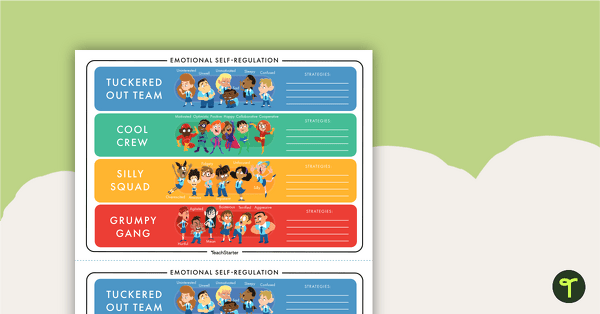
Emotional Self-Regulation Desk Mat
Promote emotional awareness and self-regulation in your classroom with this desk-sized strategies mat.
- Plus Plan
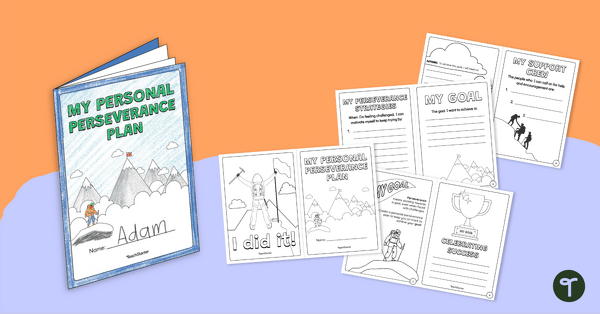
Perseverance Strategies Mini-Book
Teach your students perseverance strategies with this printable mini-book perfect for primary students!
- Free Plan
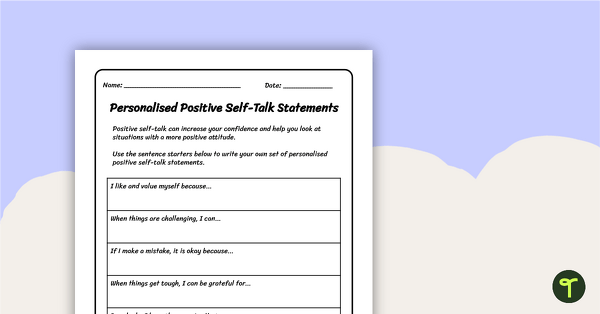
Personalised Positive Self-Talk Statements - Worksheet
Face challenges with positivity and a growth mindset by compiling a personalised list of positive self-talk statements.
- Free Plan
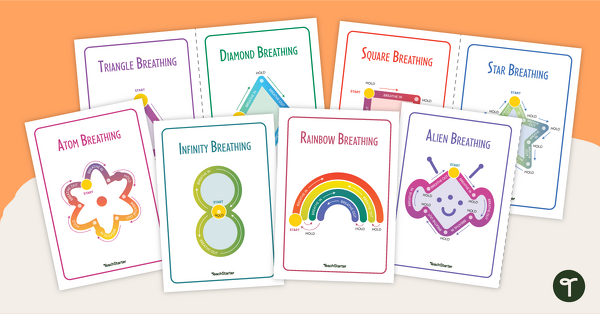
Mindful Breathing Templates
Help your students to calm themselves down when they are feeling upset or anxious with these 8 mindful breathing templates.
- Plus Plan
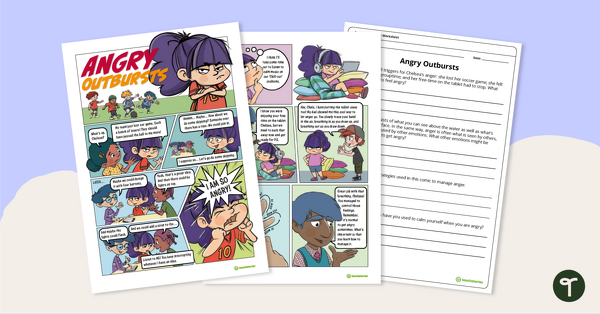
Angry Outbursts – Comprehension Worksheet
Explore emotional awareness and healthy calming strategies with this comic-style comprehension passage and accompanying questions.
- Plus Plan
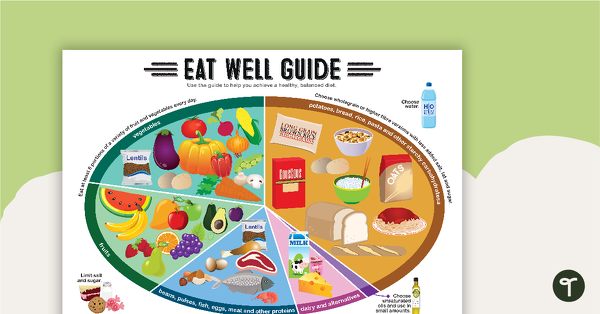
Healthy Eating - Eat Well Guide Poster
Use this guide to help you achieve a healthy, balanced diet.
- Plus Plan
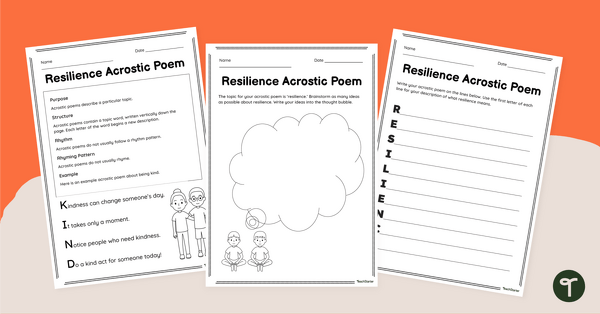
Resilience Acrostic Poem Worksheet
Have students write a resilience poem to help them understand the meaning of this crucial social-emotional skill.
- Plus Plan
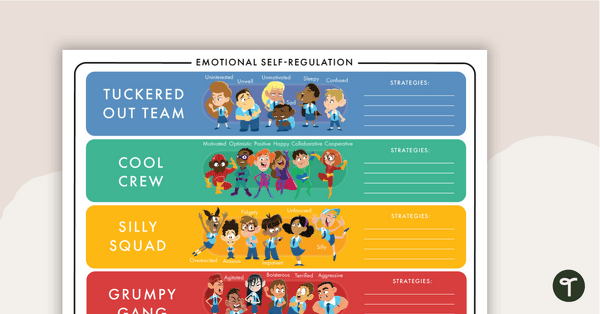
Emotional Self-Regulation Poster
Promote emotional awareness and self-regulation in your classroom with this classroom poster.
- Plus Plan
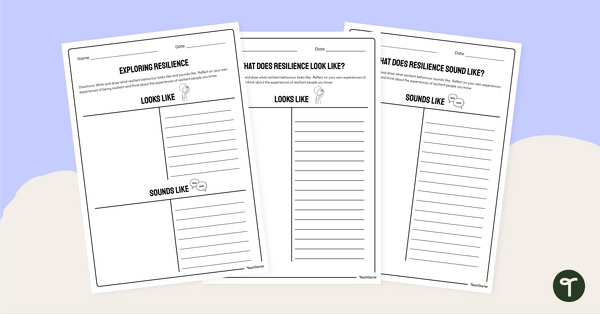
Exploring Resilience Worksheets
Explore what resilience looks like and sounds like with your students with this set of three worksheets perfect for your social-emotional learning lessons.
- Plus Plan
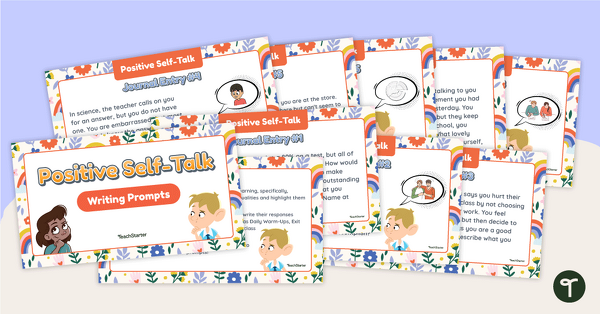
Positive Self-Talk Writing Prompts (Teaching Slides)
Use this set of 15 positive self-talk scenarios as writing prompts to expand your students ability to be kind to themselves!