Years 3 and 4
The Year 3 and 4 curriculum further develops students' knowledge, understanding and skills in relation to their health, wellbeing, safety and participation in physical activity. In these years, students begin to explore personal and social factors that support and contribute to their identities and emotional responses in varying situations. They also develop a further understanding of how their bodies grow and change as they get older.
The content explores knowledge, understanding and skills that supports students to build and maintain respectful relationships, make health-enhancing and safe decisions, and interpret health messages from different sources to take action to enhance their own health and wellbeing.
The curriculum in Years 3 and 4 builds on previous learning in movement to help students develop greater proficiency across the range of fundamental movement skills. Students combine movements to create more complicated movement patterns and sequences. Through participation in a variety of physical activities, students further develop their knowledge about movement and how the body moves. They do this as they explore the features of activities that meet their needs and interests and learn about the benefits of regular physical activity.
The Year 3 and 4 curriculum also gives students opportunities to develop through movement personal and social skills such as leadership, communication, collaboration, problem-solving, persistence and decision-making.
Focus areas to be addressed in Years 3 and 4 include:
- alcohol and other drugs (AD)
- food and nutrition (FN)
- health benefits of physical activity (HBPA)
- mental health and wellbeing (MH)
- relationships and sexuality (RS)
- safety (S)
- active play and minor games (AP)
- challenge and adventure activities (CA)
- fundamental movement skills (FMS)
- games and sports (GS)
- lifelong physical activities (LLPA)
- rhythmic and expressive movement activities (RE).
(source: www.australiancurriculum.edu.au)
Achievement Standard
By the end of Year 4, students recognise strategies for managing change. They identify influences that strengthen identities. They investigate how emotional responses vary and understand how to interact positively with others in a variety of situations. Students interpret health messages and discuss the influences on healthy and safe choices. They understand the benefits of being healthy and physically active. They describe the connections they have to their community and identify local resources to support their health, wellbeing, safety and physical activity.
Students apply strategies for working cooperatively and apply rules fairly. They use decision-making and problem-solving skills to select and demonstrate strategies that help them stay safe, healthy and active. They refine fundamental movement skills and apply movement concepts and strategies in a variety of physical activities and to solve movement challenges. They create and perform movement sequences using fundamental movement skills and the elements of movement.
(source: www.australiancurriculum.edu.au)
- Free Plan
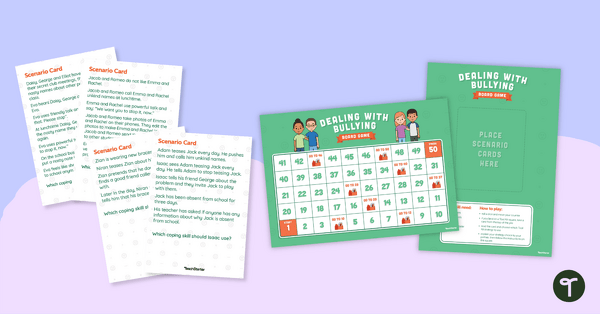
Dealing with Bullying Board Game
A fun board game for students to play when encouraging the use of resilience strategies.
- Plus Plan
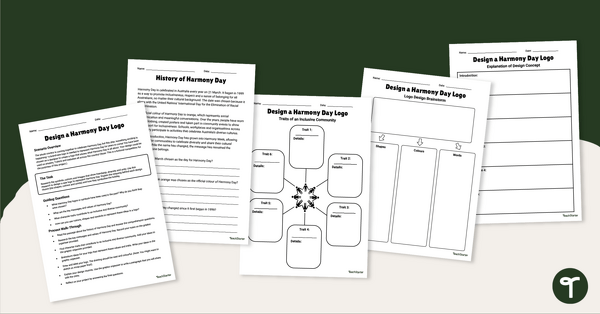
Design a Harmony Day Logo Project
Design a Harmony Day logo with your students using our inquiry-based learning project.
- Plus Plan
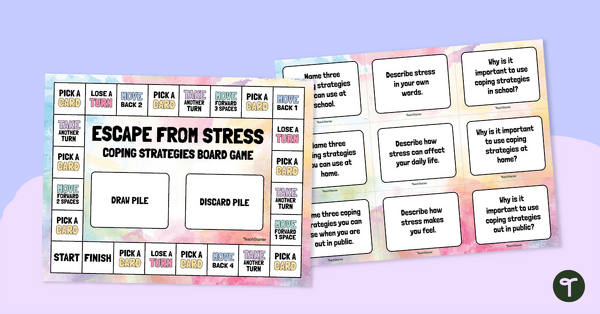
Escape from Stress Board Game
Introduce this board game in your classroom to help students practise identifying which stress management coping strategies to use and when.
- Plus Plan
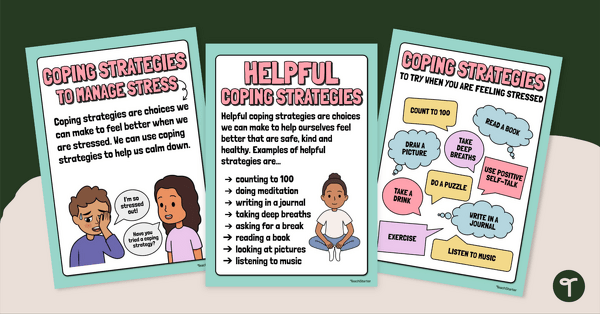
Managing Stress Coping Strategies Poster Set
Display this set of five posters in your classroom to equip students with actionable strategies for coping with stress.
- Plus Plan
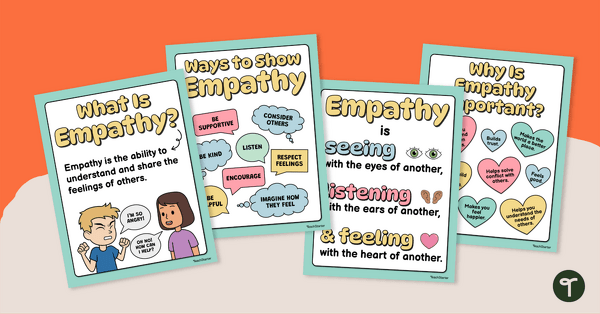
Empathy Poster Set
Enhance student understanding of empathy and why it is important with this set of 4 classroom posters.
- Plus Plan
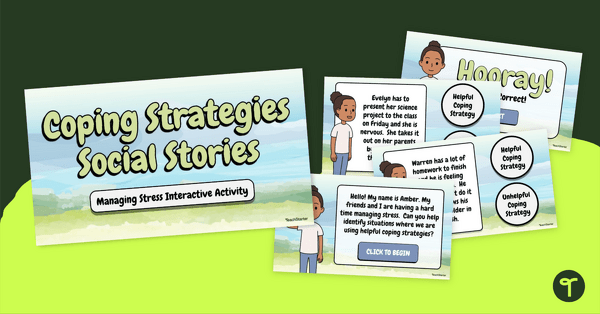
Managing Stress Social Stories Interactive Activity
Share this relaxing and calming interactive activity with your students to help them to differentiate between helpful and unhelpful strategies for coping with stress.
- Plus Plan
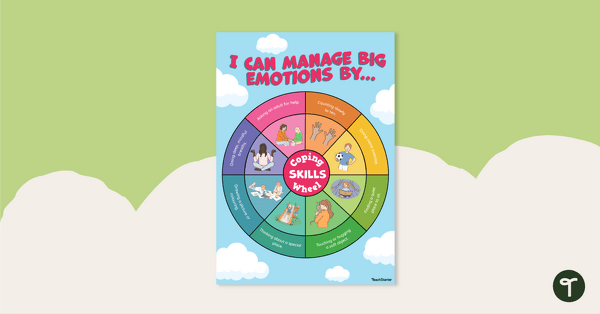
Coping Skills Wheel – Poster
Help your students learn and apply emotional self-regulation skills with this coping skills wheel of choices poster.
- Plus Plan
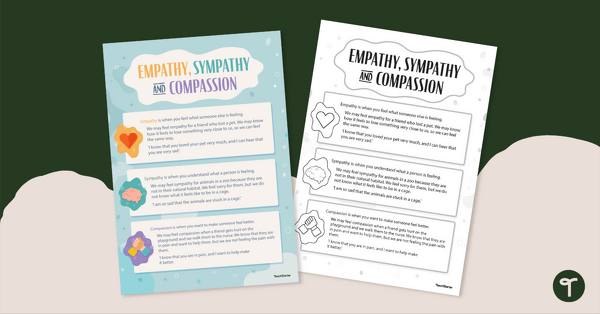
Empathy, Sympathy and Compassion Poster for the Classroom
Highlight the differences between empathy, sympathy and compassion with this printable poster.
- Plus Plan
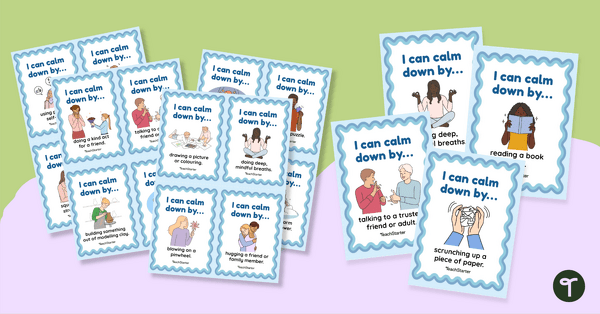
Calm-Down Strategy Cards
Help your students choose and apply strategies when they need to calm down with this comprehensive set of calm-down strategy cards.
- Plus Plan
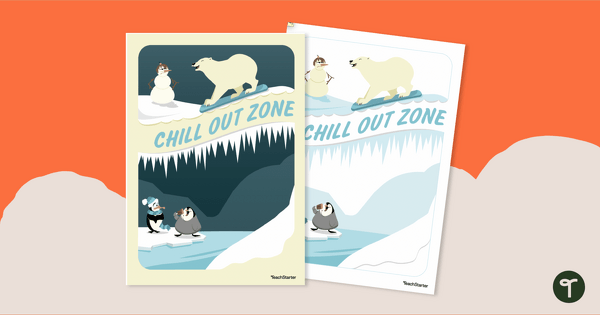
Chill Out! Calm Down Corner Poster
Welcome students into your class calm down corner with this cool classroom poster.
- Plus Plan
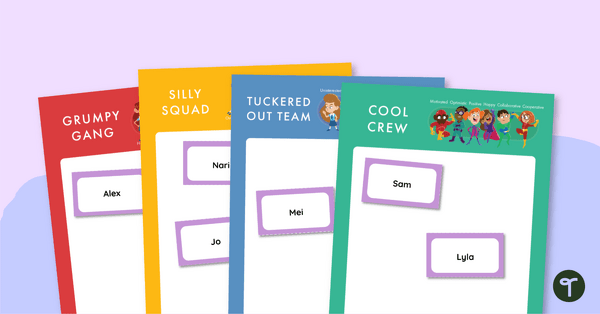
Emotional Self-Regulation Check-In Posters
Promote emotional awareness and self-regulation in your classroom with this daily mood check-in routine.
- Plus Plan
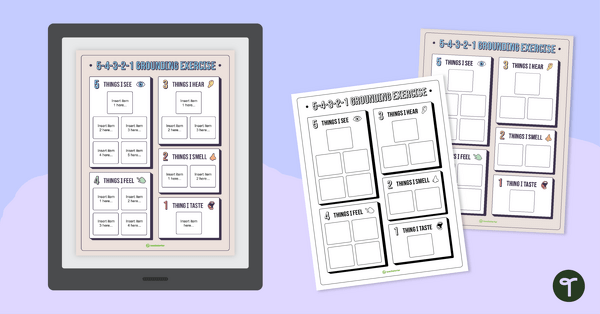
5-4-3-2-1 Grounding Exercise – Worksheet
De-escalate difficult situations with a printable grounding exercise.
- Plus Plan
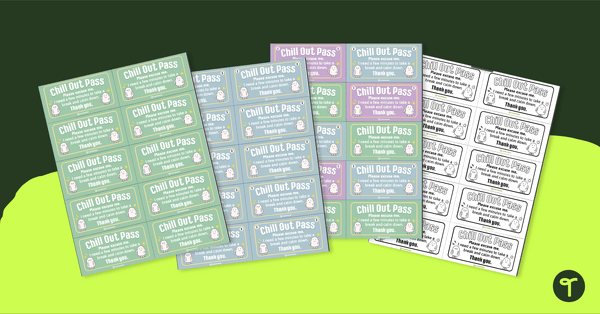
Chill Out – Classroom Break Passes
Give your students a work break to stop behavior problems before they start with our printable Chill Out Passes.
- Plus Plan
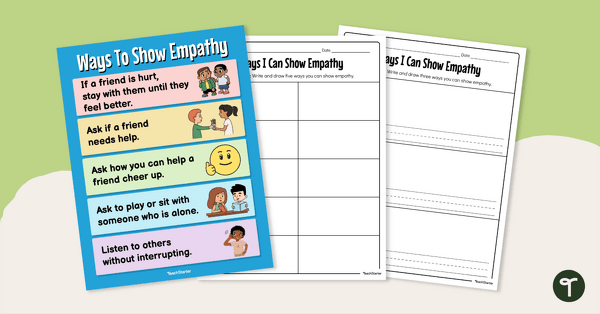
Worksheet and Poster for Empathy
Teach your students how to share the feelings of others with this worksheet and poster for empathy.
- Plus Plan
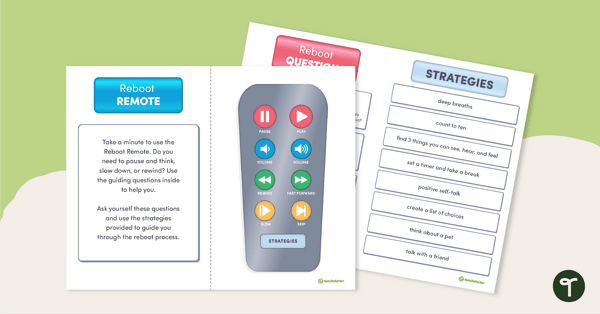
Reboot Remote
Help students work through tough situations with this remote control template.
- Plus Plan
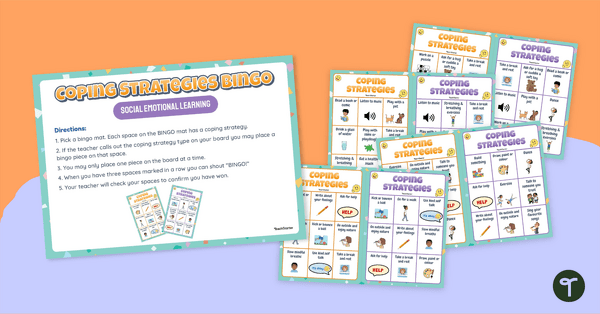
Coping Strategies Bingo
Identify and remember different coping strategies that can be used at home or in the classroom when feeling overwhelmed with an emotion.
- Plus Plan
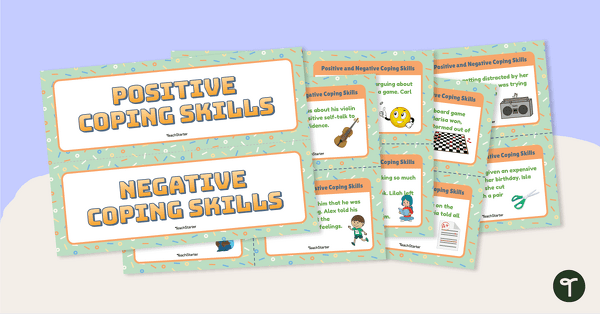
Positive and Negative Coping Skills – Sorting Activity
Explore the difference between positive and negative coping skills with these real-life scenario sorting cards.
- Free Plan
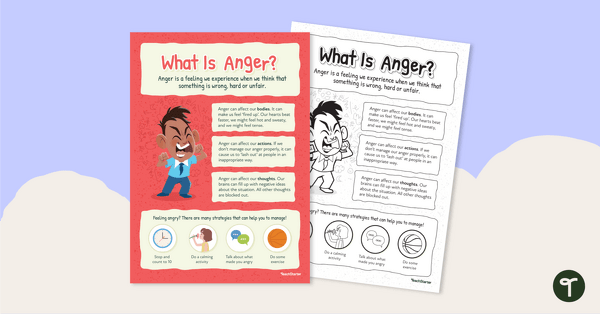
What Is Anger? Poster
Teach your students to understand and manage anger with this informative classroom display poster.
- Plus Plan
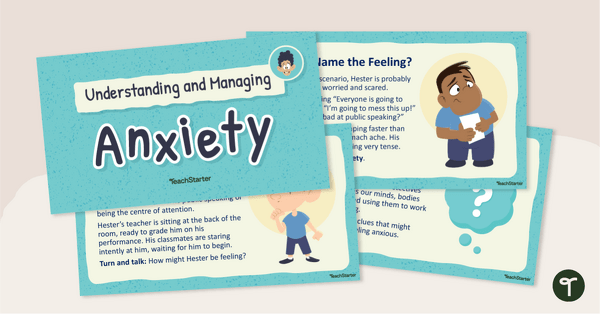
Understanding and Managing Anxiety Teaching Presentation
Teach your students about anxious feelings with this comprehensive guide to understanding and managing anxiety.
- Free Plan
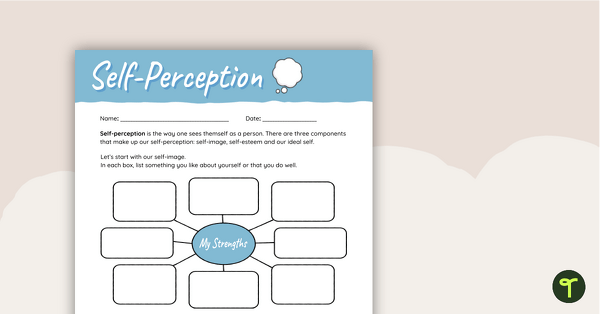
Self-Perception Worksheet
Identify strengths and areas of growth by asking students to reflect on their self-image, self-esteem, and ideal self.
- Plus Plan
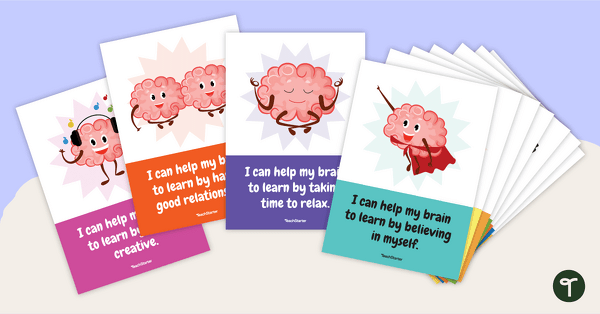
I Can Help My Brain to Learn - Posters
Display these classroom posters to remind your students of things they can do to ensure the three brains are functioning at their best.
- Plus Plan
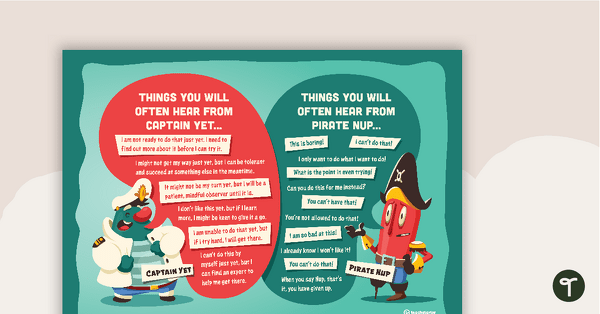
Growth Mindset Captain Yet: Yet vs Nup – Poster
A classroom display poster which compares positive and negative learning attitudes to help students focus on positive learning habits.
- Plus Plan
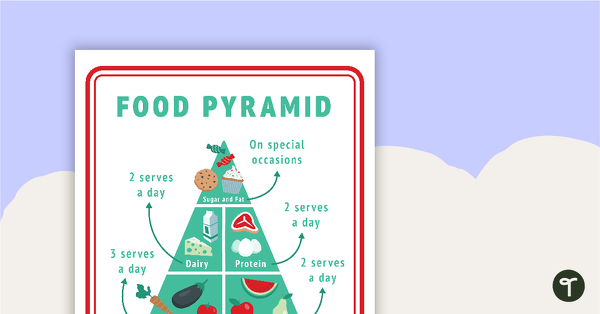
Healthy Eating Poster - Doctor's Surgery
A healthy food pyramid poster for use in a Doctor's Surgery imaginative play area.
- Plus Plan
Frida's Fiesta: Dietary Requirements – Projects
A project where students can explore different dietary requirements and the types of food that cater for them.
- Plus Plan
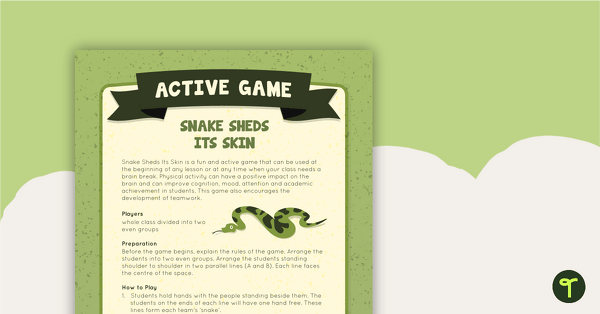
Snake Sheds Its Skin Active Game
Take a quick break from learning and encourage teamwork with this fun whole class game.
- Plus Plan
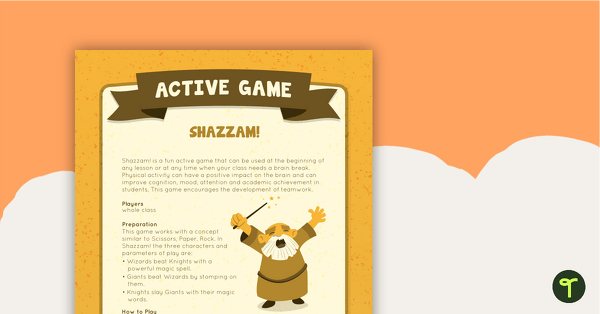
Shazzam! Active Game
A whole class active game that encourages teamwork.
- Plus Plan
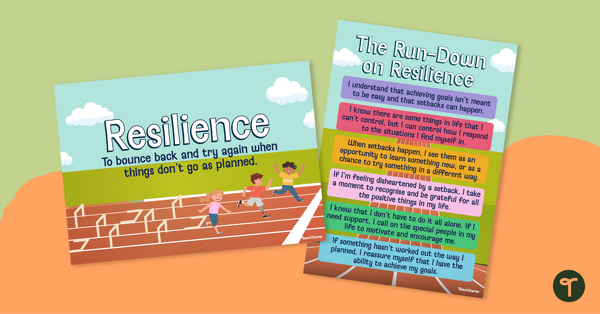
Resilience Posters
Teach students the meaning of resilience with these beautifully designed resilience posters for your primary school classroom.
- Free Plan
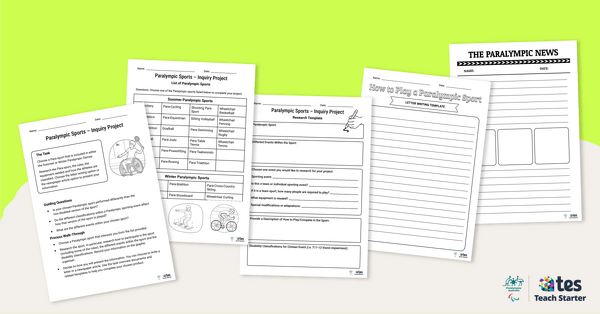
Paralympic Sports – Inquiry-Based Project
Have your students investigate the different types of Paralympic sports with this inquiry-based learning project.
- Free Plan
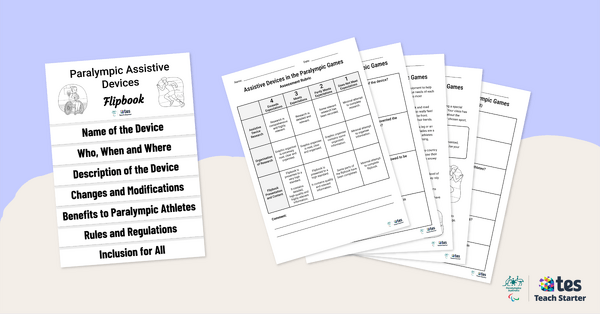
Assistive Devices in the Paralympic Games – Inquiry-Based Project
Have your students investigate the assistive devices used by Paralympians with this inquiry-based learning project.
- Free Plan
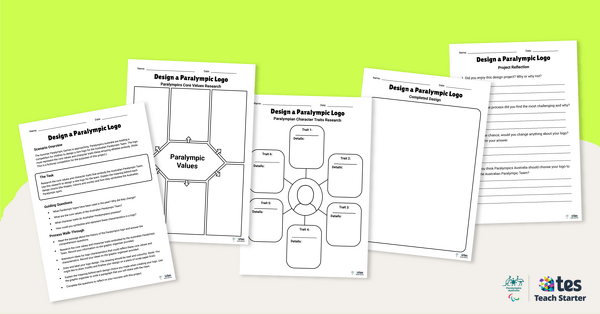
Design a Paralympic Logo – Inquiry-Based Project
Have your students design a new logo for the Australian Paralympic Team with this inquiry-based learning project.
- Free Plan
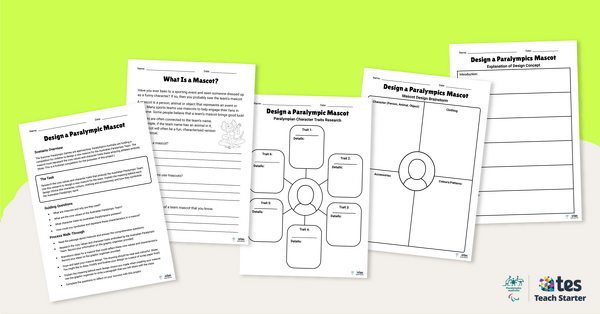
Design a Paralympic Mascot – Inquiry-Based Project
Have your students design a new mascot for the Australian Paralympic Team with this inquiry-based learning project.
- Free Plan
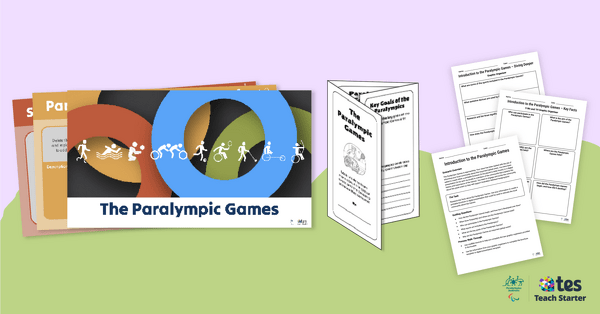
Introduction to the Paralympic Games - Inquiry-Based Project
Introduce your students to the key components of the Paralympic Games with this inquiry-based learning project.