Year 1
The science inquiry skills and science as a human endeavour strands are described across a two-year band. In their planning, schools and teachers refer to the expectations outlined in the achievement standard and also to the content of the science understanding strand for the relevant year level to ensure that these two strands are addressed over the two-year period. The three strands of the curriculum are interrelated and their content is taught in an integrated way. The order and detail in which the content descriptions are organised into teaching and learning programs are decisions to be made by the teacher.
Incorporating the key ideas of science
From Foundation to Year 2, students learn that observations can be organised to reveal patterns, and that these patterns can be used to make predictions about phenomena.
In Year 1, students infer simple cause-and-effect relationships from their observations and experiences, and begin to link events and phenomena with observable effects and to ask questions. They observe changes that can be large or small and happen quickly or slowly. They explore the properties of familiar objects and phenomena, identifying similarities and differences. Students begin to value counting as a means of comparing observations, and are introduced to ways of organising their observations.
(source: www.australiancurriculum.edu.au)
Achievement Standard
By the end of Year 1, students describe objects and events that they encounter in their everyday lives, and the effects of interacting with materials and objects. They describe changes in their local environment and how different places meet the needs of living things.
Students respond to questions, make predictions, and participate in guided investigations of everyday phenomena. They follow instructions to record and sort their observations and share them with others.
(source: www.australiancurriculum.edu.au)
- Plus Plan
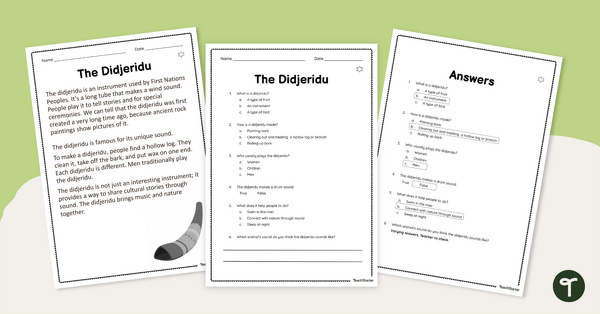
Sound Energy Didjeridu Research Task
Delve into learning about the didjeridu, its characteristic sounds, and its significance in First Nations Culture with this read-and-respond activity.
- Plus Plan
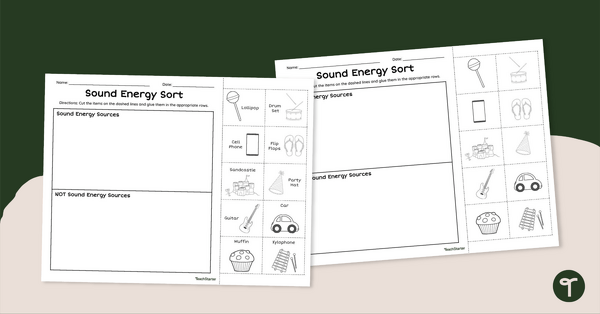
Sound Energy Sources Cut and Paste Worksheet
Teach your students all about sound energy sources using this cut-and-paste sorting worksheet.
- Plus Plan
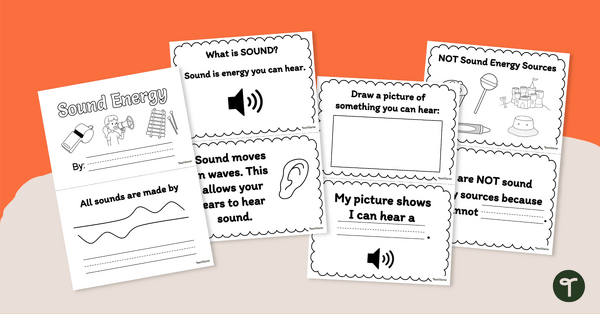
Sound Energy Mini Book
Teach your students all about sound energy sources using this 12-page mini-book.
- Plus Plan
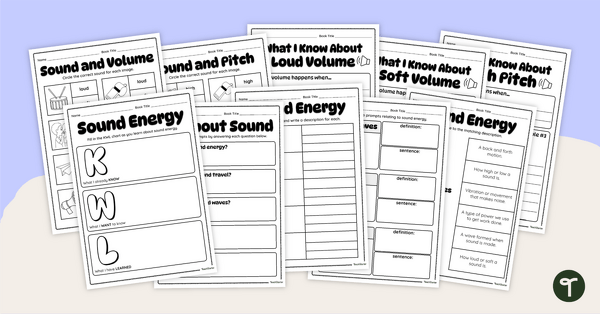
Exploring Sound Energy Worksheet Pack
Enhance your students' comprehension of sound energy concepts, whilst catering to a range of learning needs, with this set of 11 worksheets.
- Plus Plan
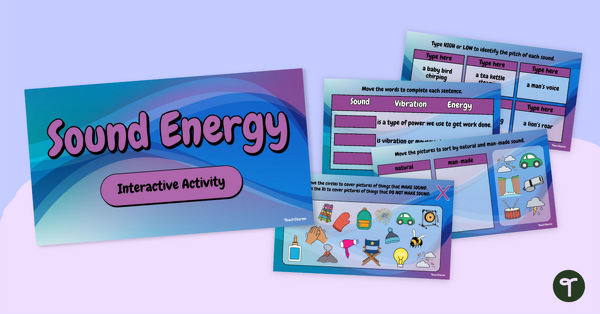
Sound Energy Interactive Activity
Reinforce your students' understanding of sound energy concepts with this set of 10 interactive activities.
- Free Plan
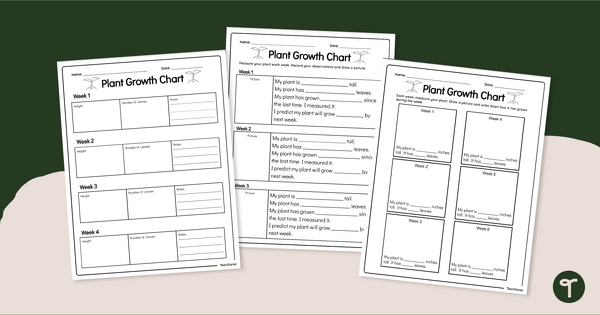
Plant Growth Chart Worksheet
Record the growth and changes in a plant over time with one of our differentiated plant growth charts.
- Plus Plan
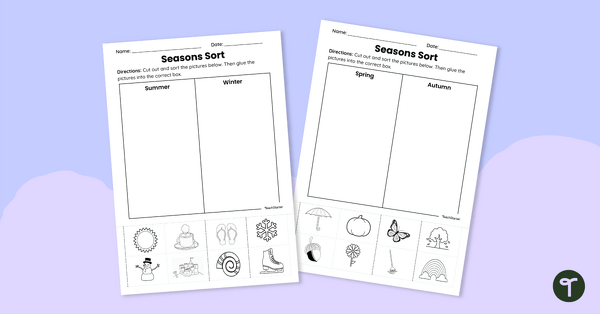
Four Seasons Picture Sorting – Cut and Paste Worksheets
Sort pictures according to the season they represent with this cut-and-paste worksheet.
- Plus Plan
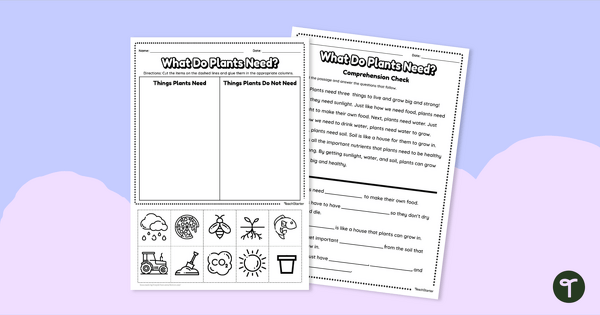
The Needs of Plants - Worksheets for Year 1
Cut, paste, and read about what plants need to survive with a pair of printable plant worksheets.
- Free Plan
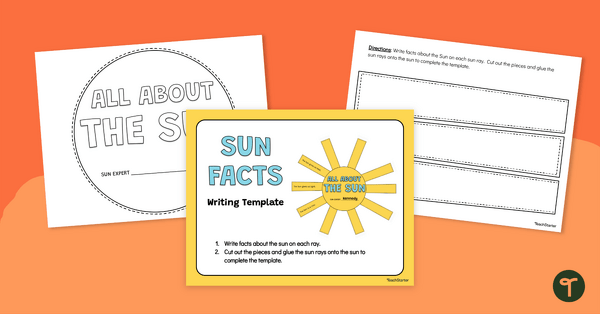
Sun Facts Writing Template
Research, write and display information about the sun with this printable sun template.
- Plus Plan
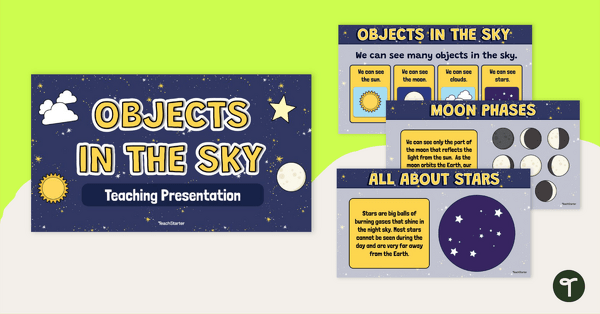
Objects in the Sky – Teaching Presentation
Teach your students about the moon, sun, stars and clouds with this 24-slide teaching presentation.
- Plus Plan
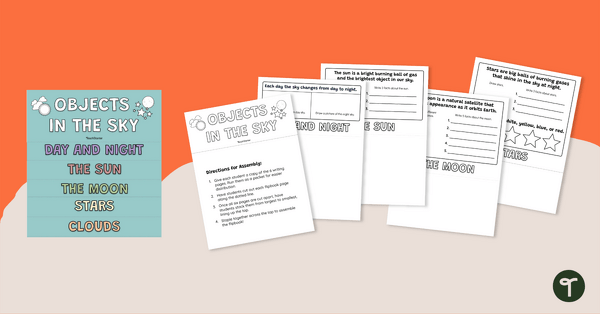
Objects in the Sky Flipbook
Describe and illustrate different objects found in the sky with this printable science flipbook.
- Free Plan
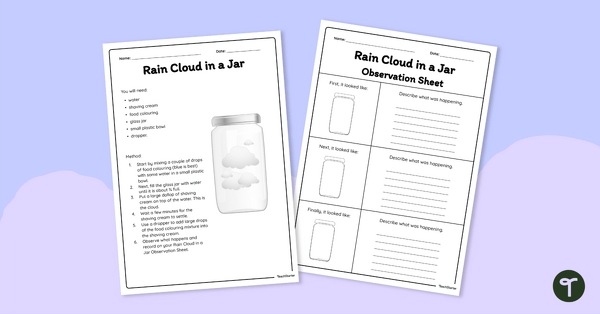
Rain Cloud in a Jar Experiment
Use this science experiment when learning about the different types and features of clouds and how they contribute to the water cycle.
- Plus Plan
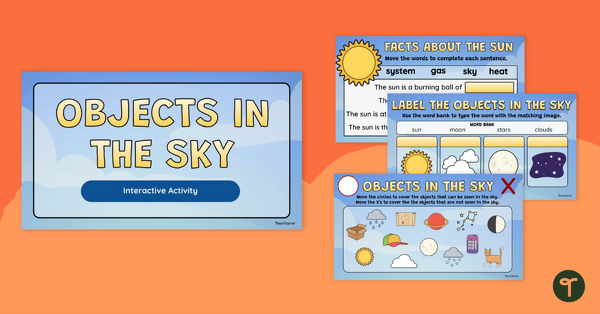
Objects in the Sky – Interactive Activity
Demonstrate an underestansding of the sun, moon, stars and clouds with this interactive activity.
- Plus Plan
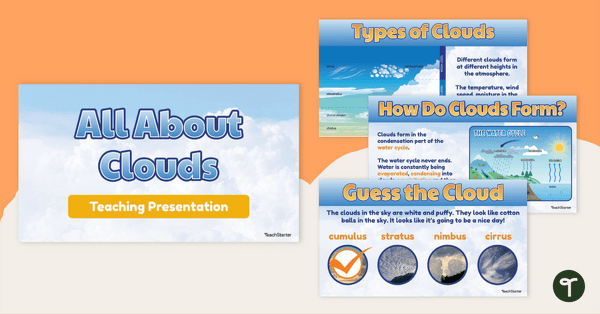
All About Clouds – Teaching Presentation
Teach your students about the different types of clouds with this 19-slide teaching presentation.
- Plus Plan
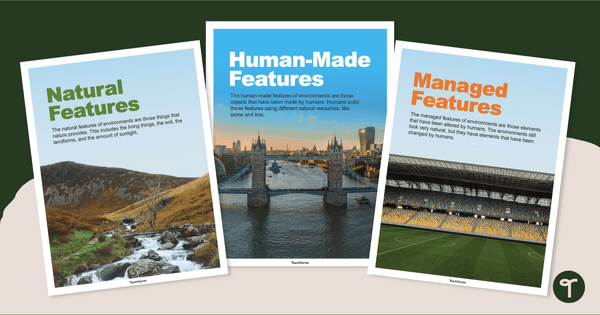
Natural, Managed, and Human-Made Features Posters
Identify the natural, manmade, and managed features of environments with printable anchor charts.
- Plus Plan
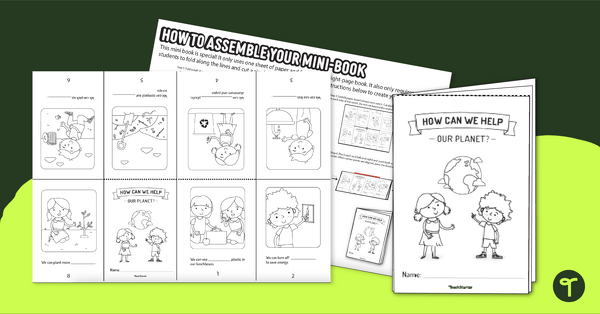
How Can We Help Our Planet Mini Book
Help your students learn about how to keep our planet clean with a printable Earth Day book.
- Plus Plan
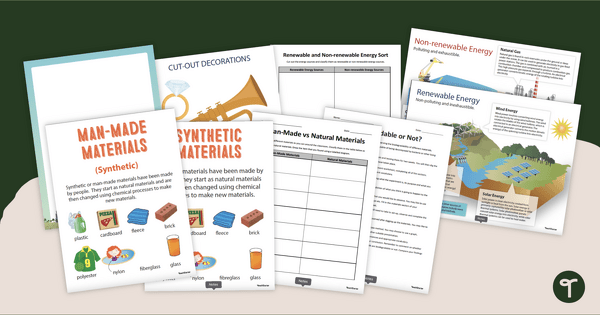
Material World Resource Pack
Learn about natural and manmade materials with a printable resource pack.
- Plus Plan
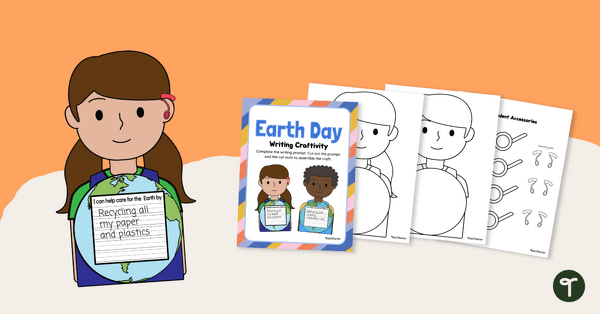
Earth Day Craft and Write
Create a fabulous Earth Day display with a printable Earth Day craft activity.
- Free Plan
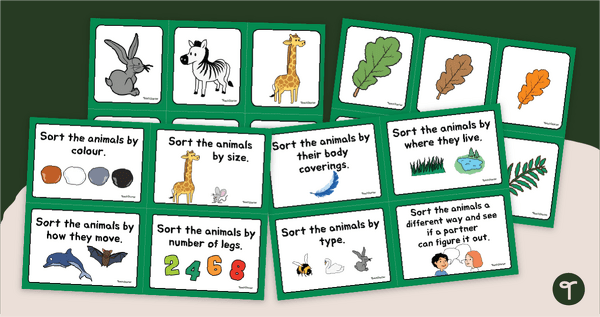
Grouping Plants and Animals – Sorting Activity (F-1)
Sort and group plants and animals based on a variety of characteristics with a Plants And Animals Sorting Activity Pack.
- Plus Plan
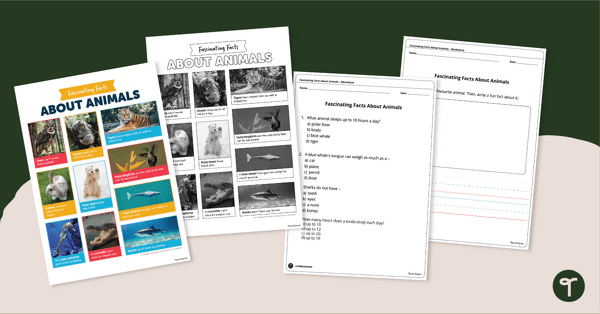
Fascinating Facts About Animals Worksheet
Build reading comprehension skills and learn about amazing animals with a printable year 1 reading comprehension worksheet pack.
- Plus Plan
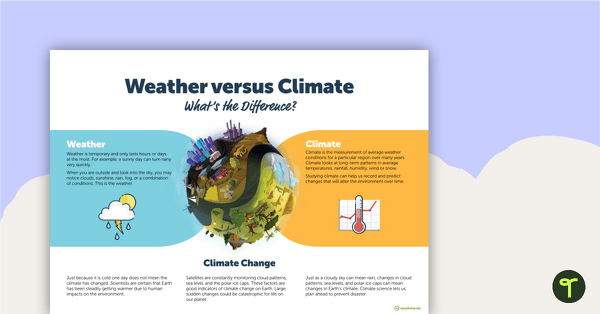
Weather versus Climate Poster
A poster explaining the difference between weather and climate.
- Plus Plan
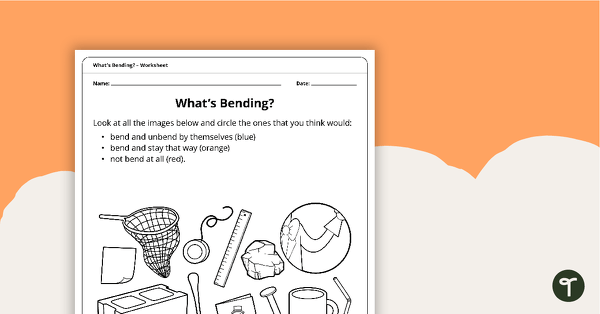
What's Bending – Worksheet
A worksheet designed for students to use their knowledge and understanding of objects and if they bend.
- Plus Plan
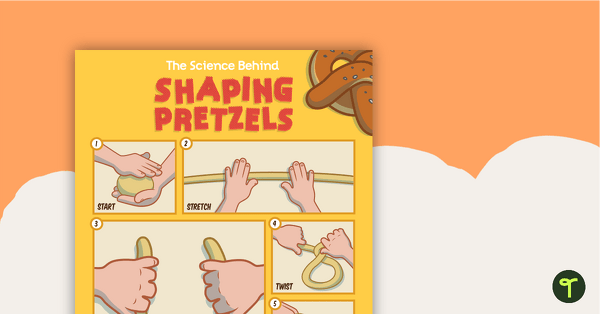
The Science Behind Shaping Pretzels
An illustrated procedure about how to make a pretzel using scientific actions.
- Free Plan
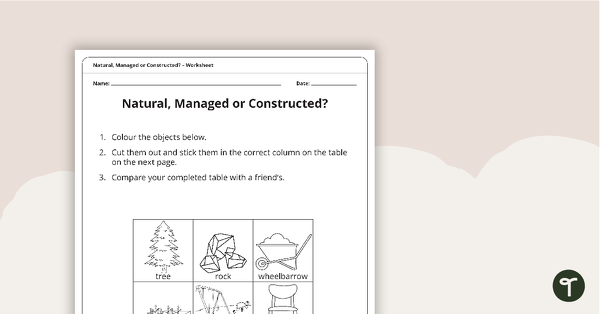
Natural, Managed or Constructed? - Worksheet
A worksheet that explores natural, managed and constructed features.
- Plus Plan
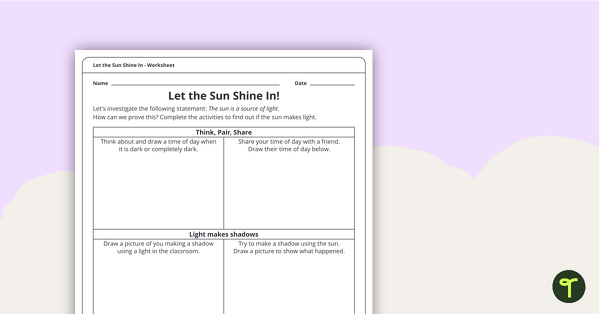
Let the Sun Shine In! - Worksheet
A worksheet to use when exploring the sun as a light source.
- Plus Plan
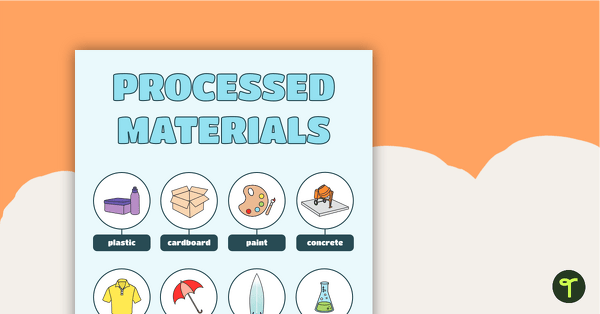
Processed Materials Poster
A poster displaying different processed materials and explaining what processed materials are.
- Plus Plan
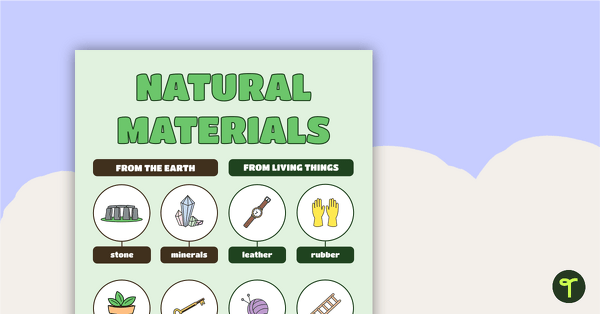
Natural Materials Poster
A poster displaying different natural materials and explaining what natural materials are.
- Plus Plan

Observing Shadows Science Investigation (1-2)
Explore the world of light, shadow, and scientific inquiry with an engaging, outdoor Shadow Observation experiment.
- Plus Plan
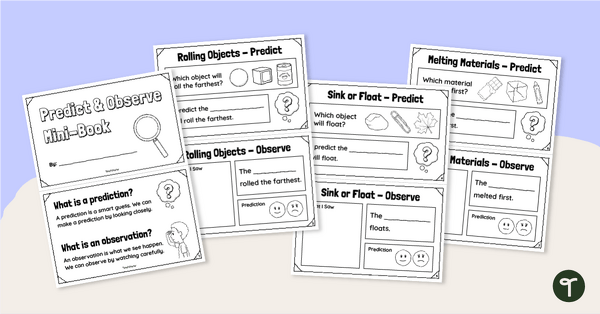
Predict and Observe Science Investigations Booklet (F-1)
Introduce your F-1 students to scientific investigation with a printable Predict and Observe Science Lab Activity Booklet.
- Plus Plan
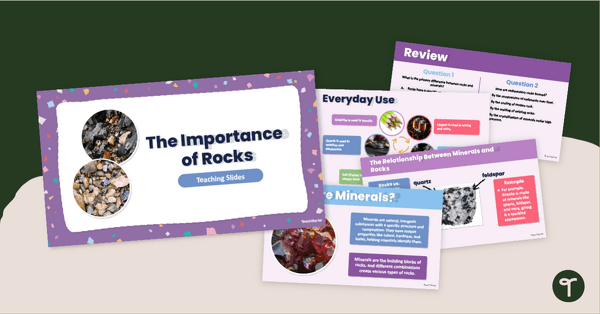
Why Are Rocks Important? - Teaching Slides
Discover why rocks are important with an engaging teaching presentation for early years students.
- Plus Plan
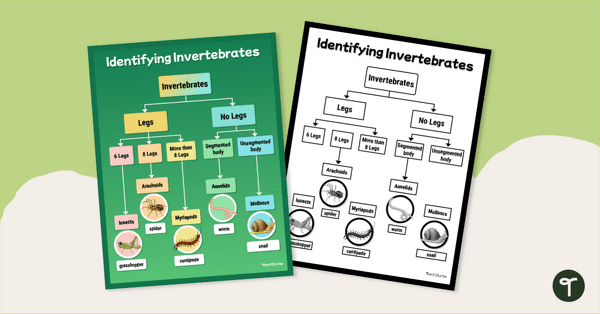
Identifying Invertebrates Poster
Help your students differentiate between insects, arachnids and other invertebrates, with a printable Invertebrate Identification chart.
- Plus Plan
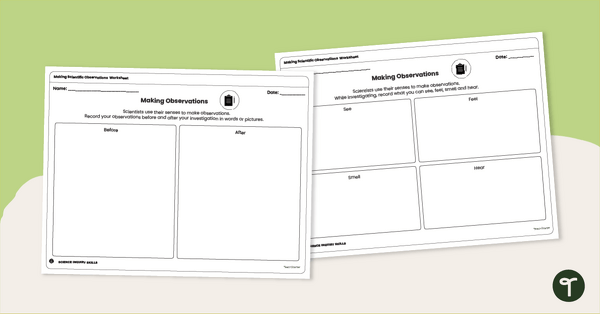
Making Scientific Observations Worksheets
Use this set of two worksheets to help your students record their own scientific observations during science experiments and projects.