Year 6
The science inquiry skills and science as a human endeavour strands are described across a two-year band. In their planning, schools and teachers refer to the expectations outlined in the achievement standard and also to the content of the science understanding strand for the relevant year level to ensure that these two strands are addressed over the two-year period. The three strands of the curriculum are interrelated and their content is taught in an integrated way. The order and detail in which the content descriptions are organised into teaching and learning programs are decisions to be made by the teacher.
Incorporating the key ideas of science
Over Years 3 to 6, students develop their understanding of a range of systems operating at different time and geographic scales.
In Year 6, students explore how changes can be classified in different ways. They learn about transfer and transformations of electricity, and continue to develop an understanding of energy flows through systems. They link their experiences of electric circuits as a system at one scale to generation of electricity from a variety of sources at another scale and begin to see links between these systems. They develop a view of Earth as a dynamic system, in which changes in one aspect of the system impact on other aspects; similarly, they see that the growth and survival of living things are dependent on matter and energy flows within a larger system. Students begin to see the role of variables in measuring changes and the value of accuracy in these measurements. They learn how to look for patterns and to use these to identify and explain relationships by drawing on evidence.
(source: www.australiancurriculum.edu.au)
Achievement Standard
By the end of Year 6, students compare and classify different types of observable changes to materials. They analyse requirements for the transfer of electricity and describe how energy can be transformed from one form to another when generating electricity. They explain how natural events cause rapid change to Earth’s surface. They describe and predict the effect of environmental changes on individual living things. Students explain how scientific knowledge helps us to solve problems and inform decisions and identify historical and cultural contributions.
Students follow procedures to develop investigable questions and design investigations into simple cause-and-effect relationships. They identify variables to be changed and measured and describe potential safety risks when planning methods. They collect, organise and interpret their data, identifying where improvements to their methods or research could improve the data. They describe and analyse relationships in data using appropriate representations and construct multimodal texts to communicate ideas, methods and findings.
(source: www.australiancurriculum.edu.au)
- Plus Plan
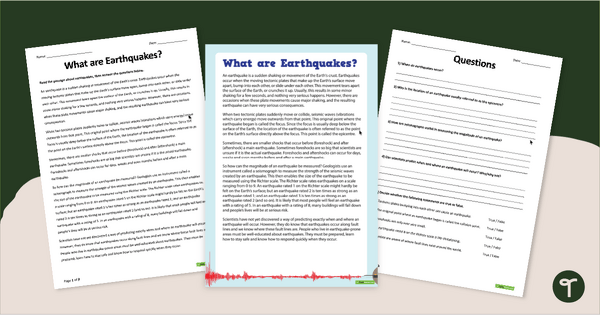
Comprehension - What are Earthquakes?
A comprehension activity about 'What are Earthquakes?'
- Plus Plan
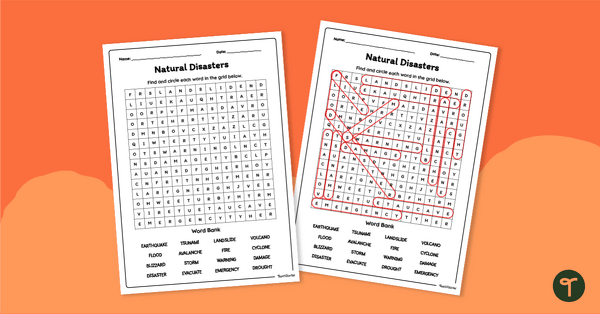
Natural Disasters Word Search
Use a Natural Disasters word search to introduce your students to the vocabulary surrounding these destructive acts of nature.
- Free Plan
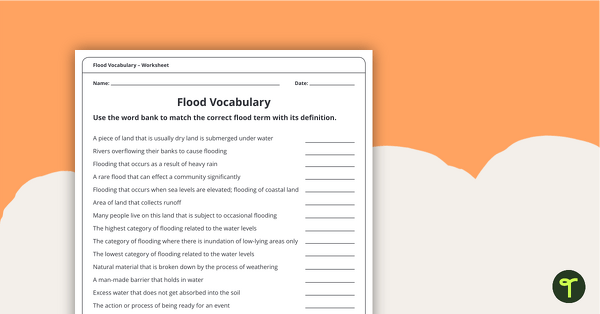
Flood Vocabulary Task
A vocabulary task for students to use when demonstrating their understanding of the impact of floods in Australia.
- Plus Plan
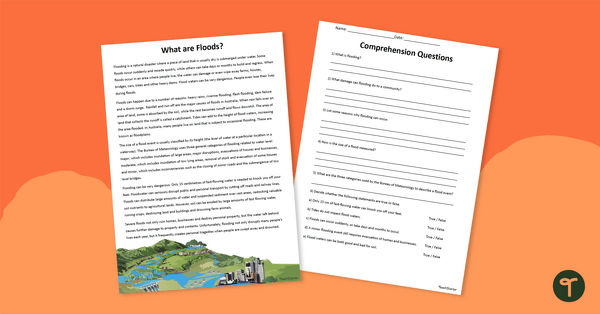
What Are Floods? Comprehension Worksheet
Read and learn about flooding with a printable reading comprehension worksheet.
- Plus Plan
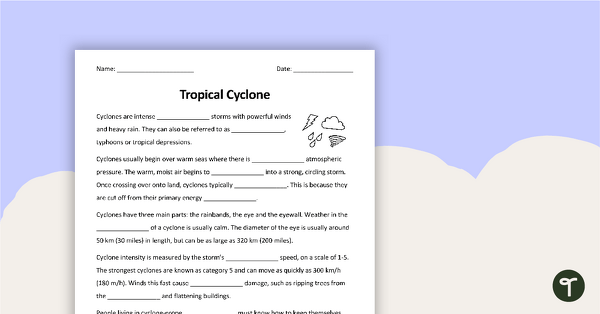
Tropical Cyclone Cloze Worksheet
A cloze worksheet about tropical cyclones.
- Plus Plan
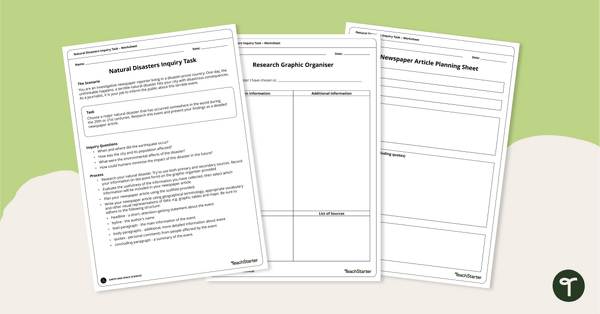
Natural Disasters Inquiry Task - Newspaper Report
Use our 3-page graphic organiser to research and report on a significant natural disaster from the last 100 years.
- Plus Plan
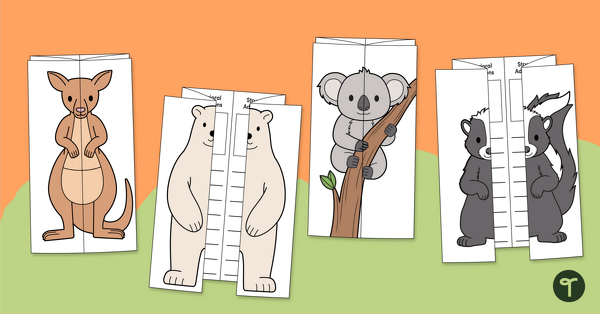
Animal Adaptations Foldables - Shutter Card Templates
Write and draw about the behavioural, structural and physiological adaptations of animals from around the world with a set of fun printable shutter card templates.
- Free Plan
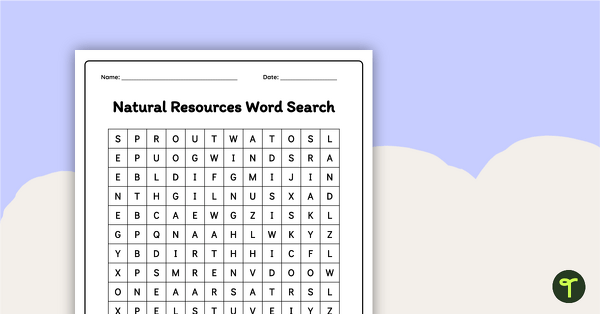
Natural Resources Word Search
Review the different natural resources with a word search.
- Plus Plan
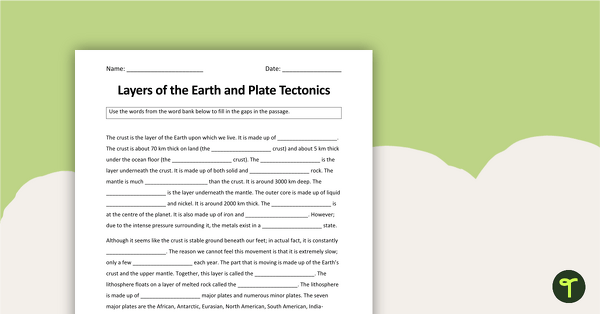
Plate Tectonics Cloze Activity
A cloze activity to use when learning about the layers of the Earth and plate tectonics.
- Plus Plan
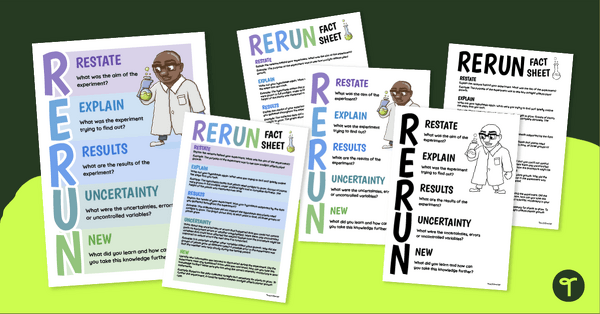
R.E.R.U.N. - Writing a Scientific Conclusion Anchor Charts
Introduce your students to the R.E.R.U.N. method for writing a scientific conclusion with a printable poster and fact sheet.
- Plus Plan
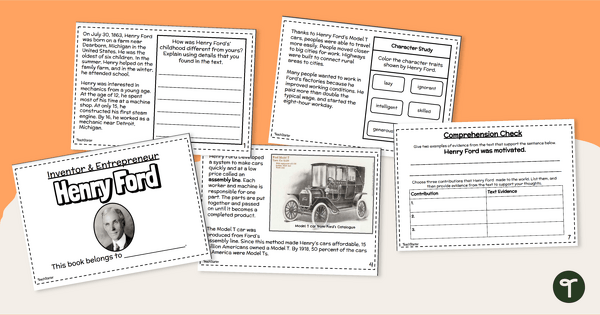
Henry Ford Mini Book - Famous Inventor Activity Book
Provide students with cross-curricular history, science and reading instruction with a printable Henry Ford mini book.
- Plus Plan
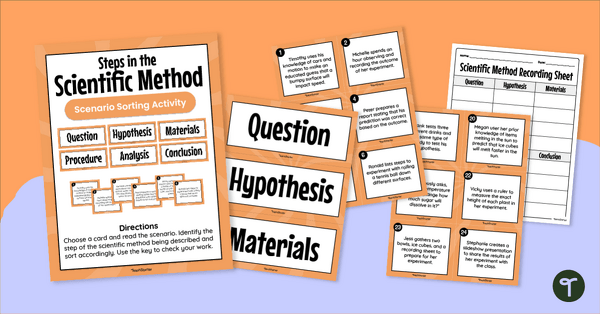
Scientific Investigation Scenarios - Sorting Activity
Analyse scientific investigation scenarios to determine which stage in the scientific method is being described with a printable Scientific Method Sorting Activity.
- Plus Plan
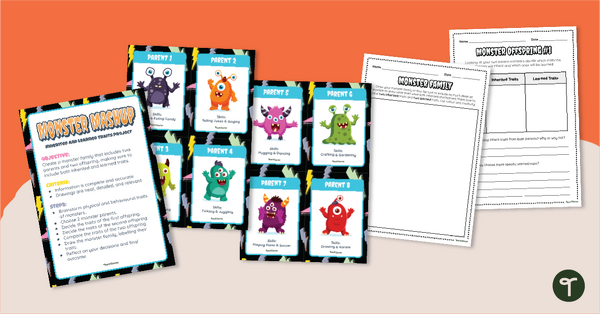
Monster Mashup - Inherited Traits Activity
Introduce your students to inherited traits and learned behaviours through an exciting Monster Mashup Inherited Traits Activity!
- Free Plan
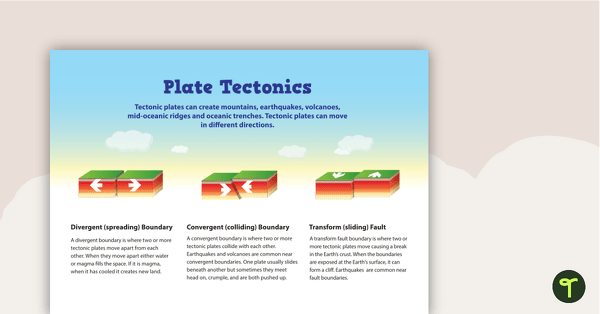
Plate Tectonics Poster
A poster explaining the main types of plate boundaries and their effects on the earth's surface.
- Plus Plan
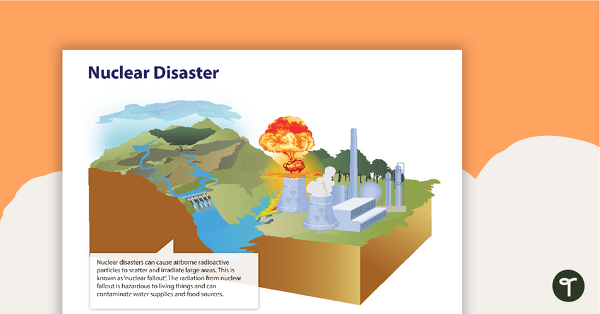
Man-made Disasters Posters with Information
A set of four man-made disaster posters with information.
- Plus Plan
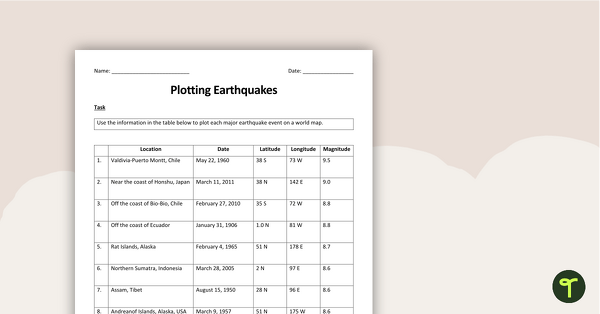
Plotting Earthquakes Worksheet & Map Activity
Teach longitude and latitude with a printable earthquakes plotting worksheet and map activity.
- Plus Plan
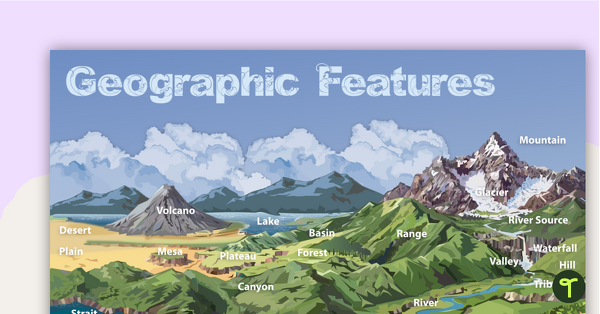
Geographic Landforms Features Poster and Worksheet
Add this poster of different types of geographic features of Earth to your classroom walls to provide a visual reference for students.