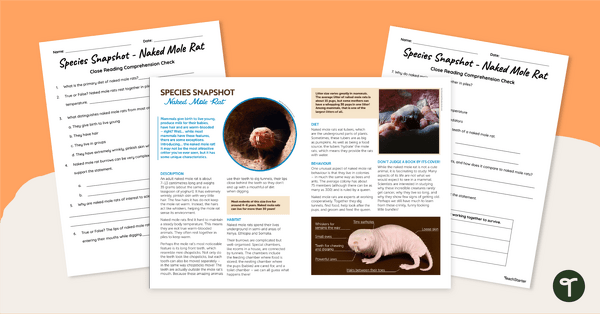
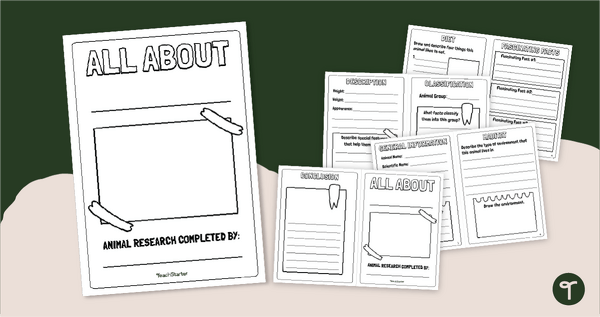
Get your students to create a high-quality animal information report with accompanying text features with this engaging and fully scaffolded writing project booklet.
An Animal Information Report Project That Guides and Supports Young Writers
Information writing is a key component of the primary curriculum, but it can be quite an overwhelming venture for students. After all, they are often required to research, take notes, write a draft and then create a presentation complete with headings, illustrations and other visual features. It’s a lot for young learners to get their heads around!
This writing project has been designed to support your students through every stage of creating an information report. It includes beautifully designed and age-appropriate example animal reports to model expectations, guided analysis questions that unpack text features, graphic organisers for planning, research templates for note‑taking, drafting pages and an editing checklist. Each component builds logically on the last, reducing cognitive overload while keeping students focused and engaged.
The example animal information reports included in the resource are:
- Sea Jellies
- Narwhals
- Naked Mole Rat
By breaking the task into clear, manageable steps, this resource empowers students to produce a high‑quality animal information report complete with all the trimmings!
How to Implement This Project for Creating an Information Report on an Animal
This resource has been intentionally designed by our team to save teachers time and make implementation as easy as possible. Here’s a step-by-step guide on how your students can use this resource in your literacy lessons:
- Choose an example report to read and analyse. There are three examples to choose from: sea jellies, narwhals or the naked mole rat.
- Answer the analysis questions to identify how the author uses structure, language and text features to engage the audience and achieve the text’s purpose.
- Choose an animal from the suggested list (or an approved alternative) and brainstorm ideas using the graphic organiser.
- Research their chosen animal using reliable, age‑appropriate sources, recording key facts as dot points in the note‑taking template.
- Write a draft report using the provided lined pages or a workbook, organising information into clear sections.
- Edit the draft by checking for clarity, accuracy and correct use of text features with the editing checklist.
- Publish the final report as a two‑page spread that includes headings and visual features such as diagrams, labels or fact boxes.
Download Ready-to-Use Animal Information Report Examples
This resource, including animal information report examples, can be accessed by clicking the Download button above. There are four files to choose from:
- Animal Information Report Examples – Colour PDF
- Animal Information Report Examples – Black and White PDF
- Project Booklet – Black and White PDF
- Project Booklet – Editable Google Slides
Use the dropdown menu on the Download button to access your preferred version. (Note: You will be prompted to make a copy of the Google Slides template before accessing it).
For sustainability purposes, please consider printing this workbook double-sided.
More Teacher-Created Resources for Teaching Informative Writing
Looking for more curriculum-aligned, age-appropriate resources to use when teaching informative writing to your upper primary students? Browse some of our favourites below!
[resource:72915] [resource:72362] [resource:74301]

0 Comments
Write a review to help other teachers and parents like yourself. If you'd like to request a change to this resource, or report an error, select the corresponding tab above.