VC2S4U10
forces, including frictional, gravitational, electrostatic and magnetic, can be exerted by one object on another through direct contact or from a distance and affect the motion (speed and direction) of objects
- investigating different forces, for example the effect of magnets on other magnets and how a magnet does not need to touch an object for the magnetic forces to pull the object, or observing how the pushing force of a liquid enables some objects to float
- exploring the positive and negative effects of friction on everyday experiences, such as how friction causes objects to slow down and perhaps stop, for example examining shoe-sole design and identifying patterns in sole design and use related to friction
- recognising that gravity is the force that pulls all objects towards the centre of Earth and that gravitational force acts on an object regardless of whether it is moving or not moving
- watching a video of astronauts walking on the Moon or dropping objects on the Moon’s surface, and discussing the forces that are acting
- investigating the effect of forces on the movement of objects in Aboriginal and/or Torres Strait Islander Peoples’ traditional toys and games, for example seeing who can kick a ball made from possum fur or similar materials the highest through direct contact forces after the ball is dropped onto the foot using non-contact gravitational force (as in the game marngrook, which was played in western Victoria) and hitting a ball through direct contact with a bat crafted from a stick on a beach where the frictional force from the sand impacts the speed of the ball (as in the game kokan played by the Mabuiag People)
- exploring how force arrows can be used to represent the direction and magnitude of forces acting on an object
- Plus Plan
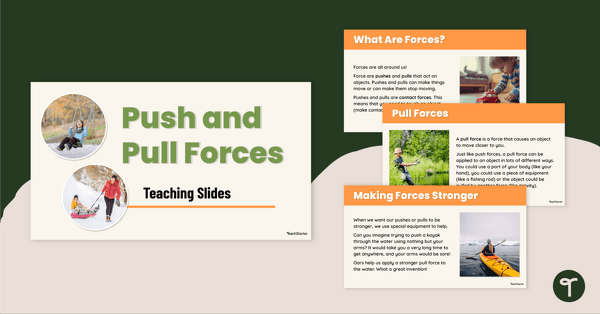
Push and Pull Forces Teaching Slides
Teach your students about push and pull forces with this comprehensive and age-appropriate teaching presentation for primary school science lessons.
- Plus Plan
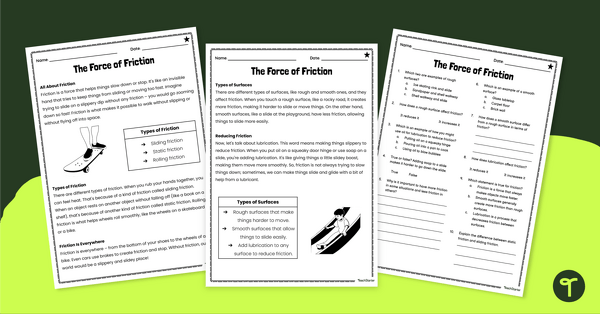
The Force of Friction Comprehension Worksheets
Download this friction worksheet to teach your Year 4 students about the force of friction and its impact on our daily lives.
- Plus Plan
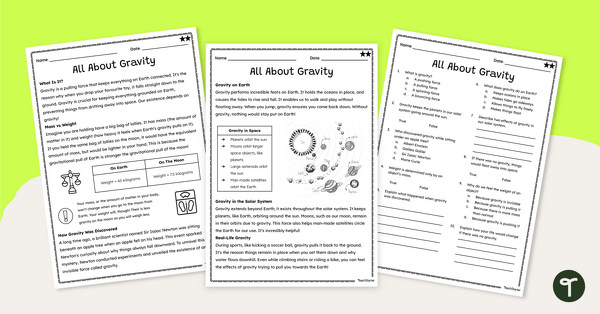
The Force of Gravity Comprehension Worksheets
Download this gravity worksheet to teach your Year 4 students about the force of gravity and its impact on our daily lives.
- Plus Plan
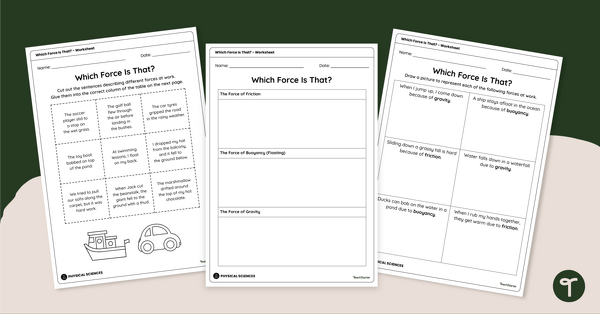
Which Force Is That? Worksheet
Use this forces worksheet to teach your Year 4 students about the common forces of friction, buoyancy and gravity.
- Free Plan
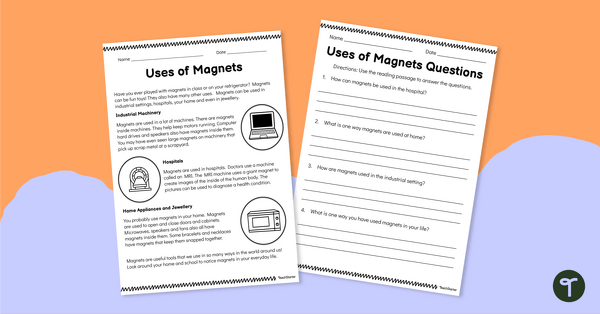
Uses of Magnets Comprehension Worksheet
Download this magnets worksheet to teach your Year 4 students about the uses of magnets in our everyday lives.
- Plus Plan
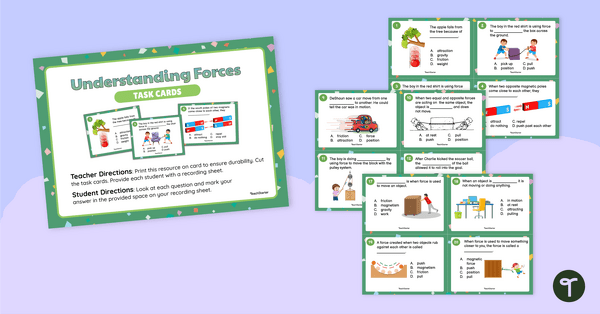
Force and Motion Task Cards
Use these force and motion task cards as a student review activity in your Year 4 science lessons.
- Plus Plan
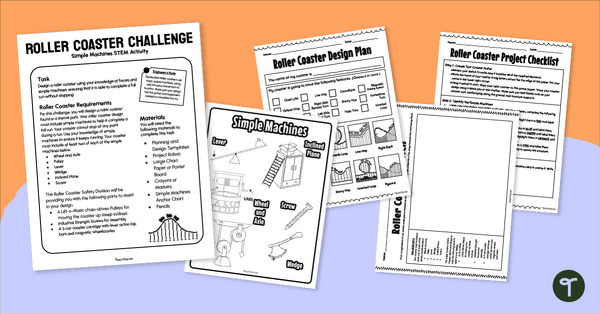
Simple Machines - Design a Roller Coaster STEM Challenge
Implement a Roller Coaster Stem Challenge to help your students demonstrate knowledge of simple machines.
- Plus Plan
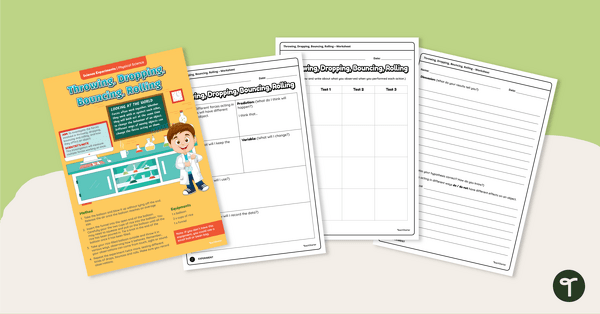
Force and Motion Experiment – Throwing, Dropping, Bouncing, Rolling
Use this hands-on force and motion experiment when teaching your students about how forces influence the movement of objects.
- Plus Plan
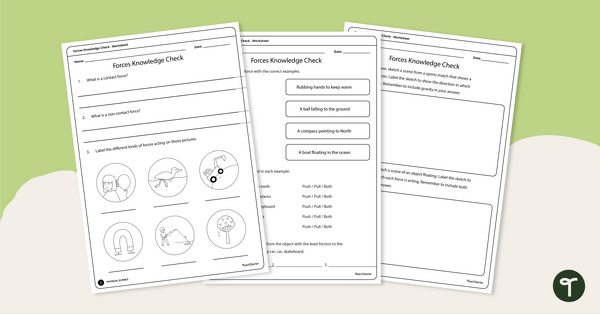
Contact and Non-Contact Forces Test
Assess students' understanding of contact and non-contact forces with this forces assessment for Year 4 students.
- Plus Plan
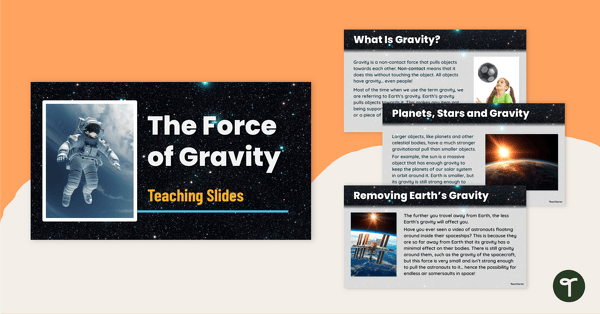
The Force of Gravity Teaching Slides
Teach your students facts about gravity with this comprehensive and age-appropriate teaching presentation for primary school science lessons.
- Plus Plan
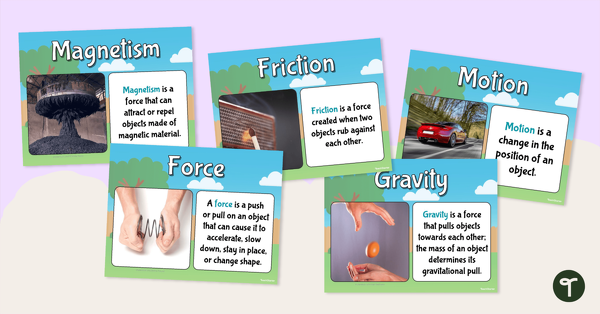
Force and Motion – Poster Pack
Display information about force and motion with this set of 12 vocabulary posters.
- Plus Plan
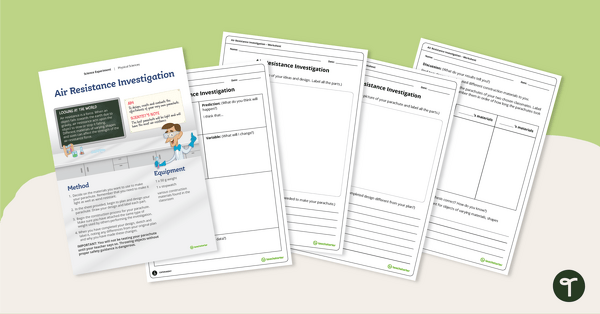
Air Resistance Force Experiment (Parachutes)
Use this engaging air resistance force experiment when teaching your students about air friction and the effect it has on the effectiveness of a parachute.
- Plus Plan
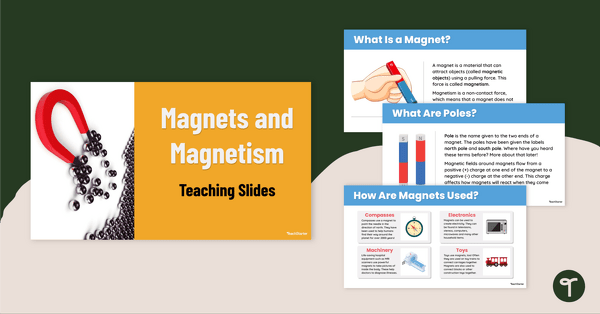
Magnets and Magnetism Teaching Slides
Teach your students how magnets and magnetism work with this comprehensive and age-appropriate teaching presentation for primary school science lessons.
- Free Plan
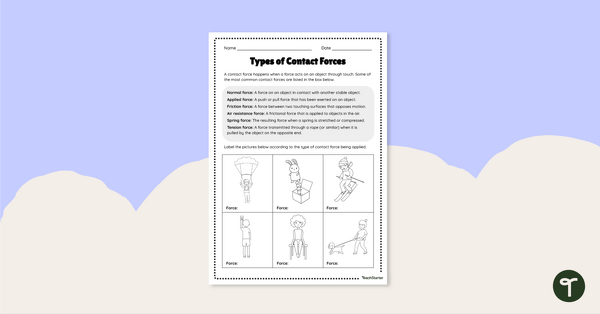
Types of Contact Forces Worksheet
Teach your Year 4 students about the types of contact forces with this simple one-page worksheet.
- Plus Plan
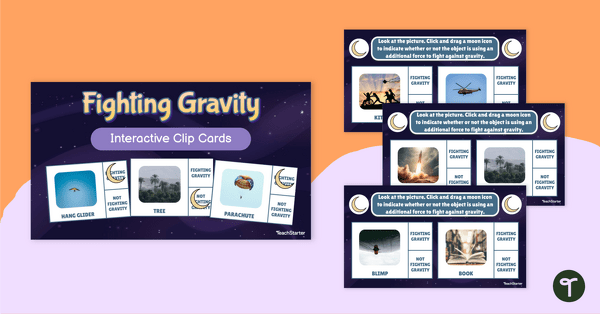
Fighting Gravity Interactive Peg Cards
Explore objects that must fight gravity to stay in their air with this set of 24 digital peg cards.
- Plus Plan
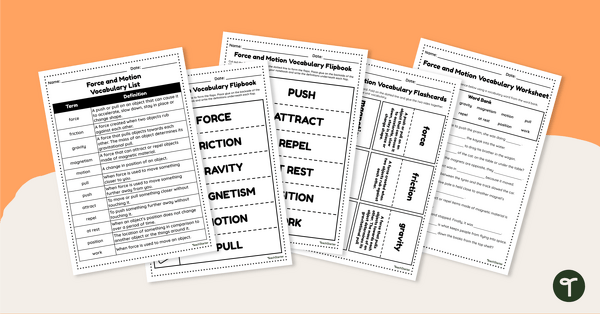
Force and Motion Vocabulary Worksheets
Use these force and motion vocabulary worksheets to teach your students the subject-specific vocabulary related to forces and motion.
- Plus Plan
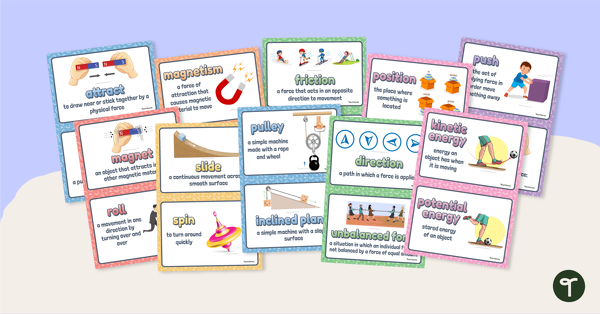
Force and Motion Vocabulary Posters
Display this set of 22 mini-posters in your classroom when learning about force and motion vocabulary.
- Plus Plan
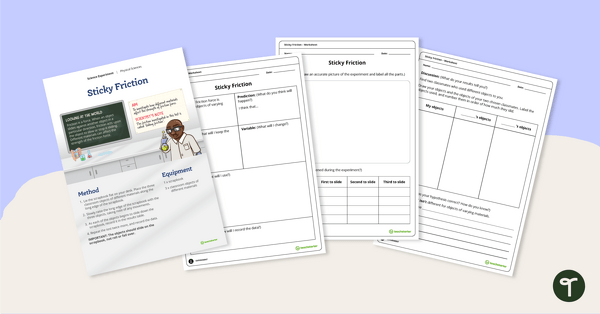
Friction Experiment – Sticky Friction
Use this engaging friction experiment when teaching your students about sliding friction and the effect it has on the movement of objects.
- Plus Plan
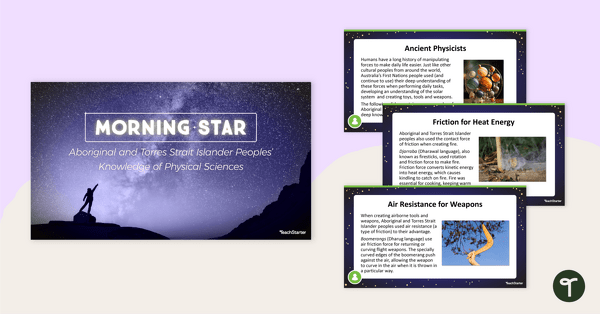
Aboriginal and Torres Strait Islander Peoples’ Knowledge of Physical Sciences – Teaching Slides
Teach your students about Aboriginal and Torres Strait Islander peoples' knowledge of forces with this comprehensive and age-appropriate teaching presentation.
- Plus Plan
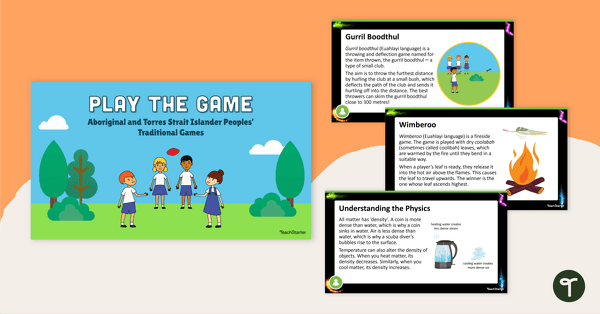
Aboriginal and Torres Strait Islander Peoples' Traditional Games – Teaching Slides
Teach your students about some traditional games from Aboriginal and Torres Strait Islander cultures with this comprehensive and age-appropriate teaching presentation.
- Plus Plan
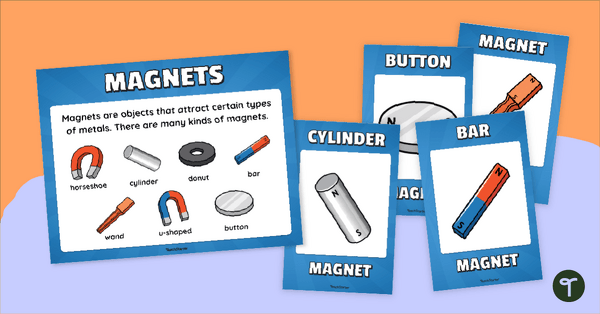
Types of Magnets Anchor Chart Pack
Download a Magnets Anchor Chart Pack to introduce your students to the different types of magnets.
- Plus Plan
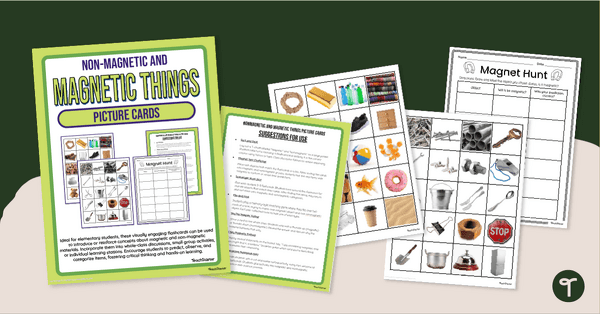
Exploring Magnetic Forces with Picture Cards
Discover magnetic and non-magnetic things using flashcards featuring things that are magnetic and non-magnetic.
- Plus Plan
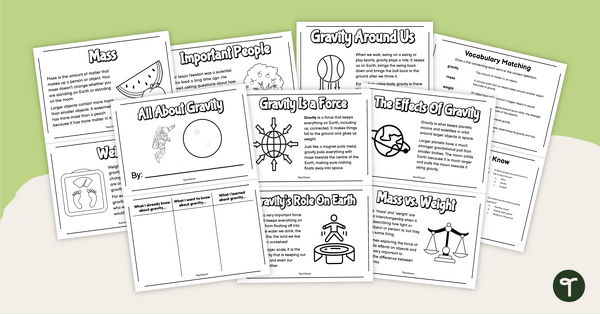
All About Gravity Booklet
Get students exploring gravity facts for kids with this printable mini-book perfect for Year 4 science lessons.
- Plus Plan
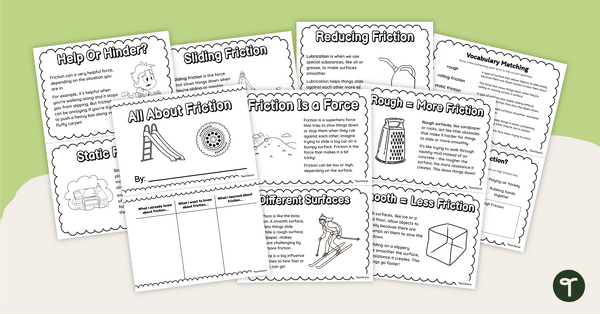
All About Friction Booklet
Teach your students about the force of friction with this printable mini-book perfect for Year 4 science lessons.
- Plus Plan
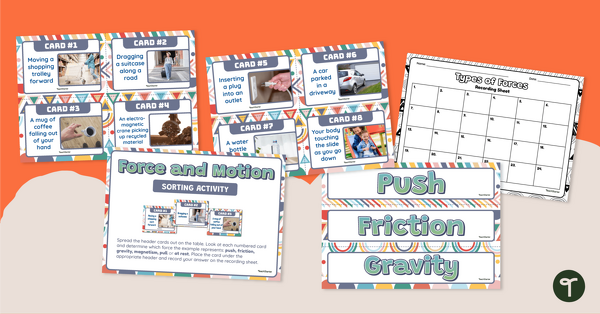
Force and Motion Sorting Activity
Show students force and motion examples with this force and motion sorting activity for elementary school science lessons.
- Plus Plan
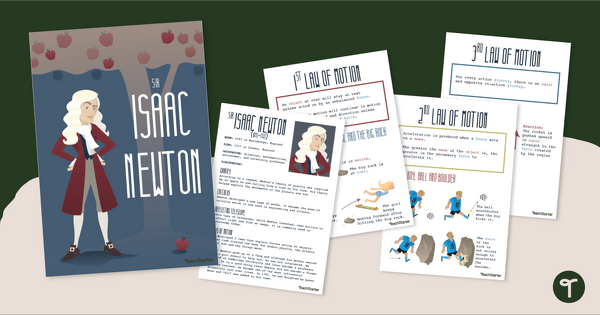
Isaac Newton's 3 Laws of Motion Anchor Charts
Learn about Isaac Newton and his 3 Laws of Motion with a set of printable anchor charts.
- Plus Plan
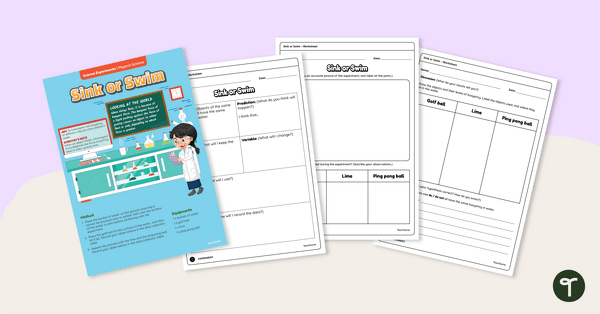
Buoyancy Experiment – Sink or Swim
Use this practical float or sink science experiment when teaching your students about why some objects float in water while others sink.
- Plus Plan
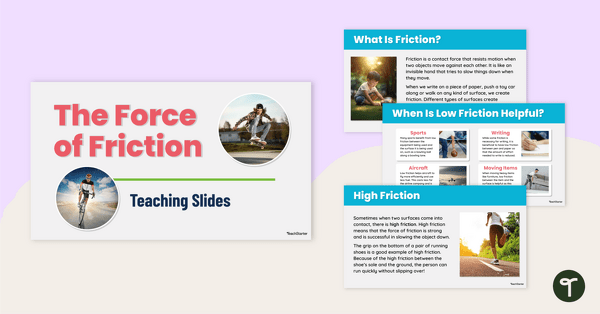
The Force of Friction PowerPoint
Teach your students facts about friction with this comprehensive and age-appropriate teaching presentation for primary school science lessons.
- Plus Plan
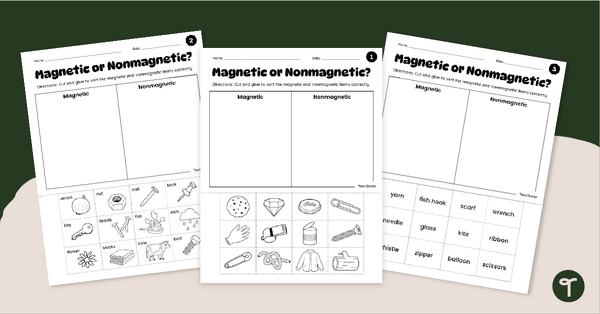
Magnetic or Not? Cut and Paste Magnet Worksheet Pack
Use a cut and sort magnet worksheet to introduce review the concept of Magnetic vs. Non-magnetic things with your year 4 students.
- Plus Plan
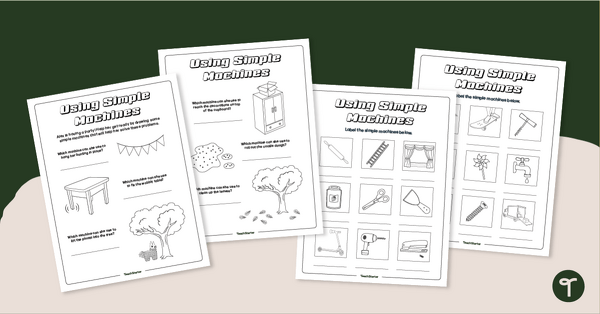
Using Simple Machines Worksheet Pack
Download a simple machines worksheet pack to use in the classroom when learning about simple machines and how they can help use solve everyday problems.
- Plus Plan
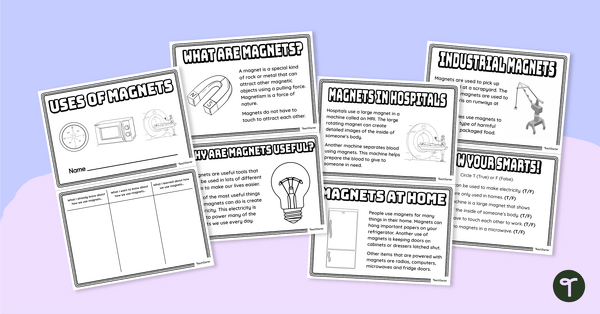
Uses of Magnets Booklet
Teach about everyday uses of magnets with this printable mini-book perfect for Year 4 science lessons.
- Plus Plan
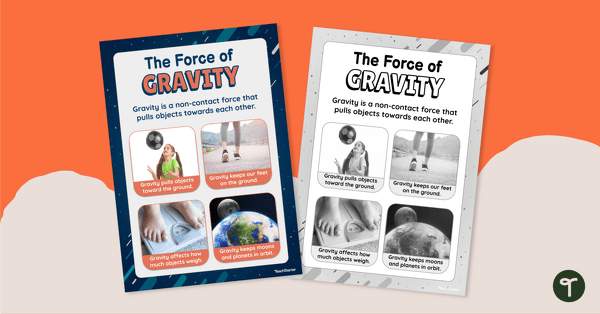
Gravity Poster
Teach students facts about gravity using this gravity poster perfect for Year 4 science lessons.