English
By the beginning of year 3, pupils should be able to read books written at an age-appropriate interest level. They should be able to read them accurately and at a speed that is sufficient for them to focus on understanding what they read rather than on decoding individual words. They should be able to decode most new words outside their spoken vocabulary, making a good approximation to the word’s pronunciation. As their decoding skills become increasingly secure, teaching should be directed more towards developing their vocabulary and the breadth and depth of their reading, making sure that they become independent, fluent and enthusiastic readers who read widely and frequently. They should be developing their understanding and enjoyment of stories, poetry, plays and non-fiction, and learning to read silently. They should also be developing their knowledge and skills in reading non-fiction about a wide range of subjects. They should be learning to justify their views about what they have read: with support at the start of year 3 and increasingly independently by the end of year 4.
- Plus Plan
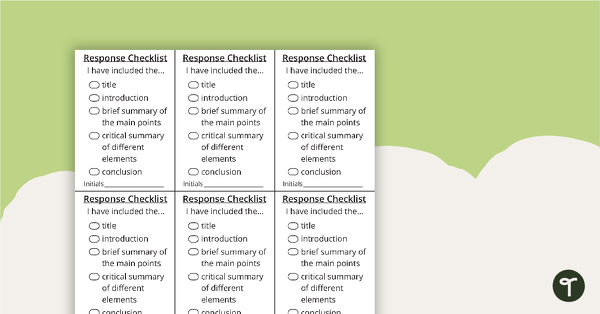
Response Writing Checklist
Now your students can make sure that they have everything they need in their response text.
- Plus Plan
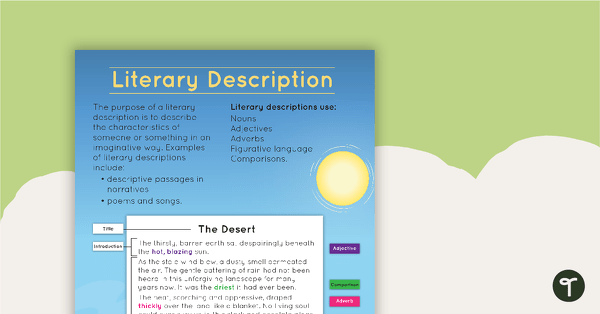
Literary Description Text Type Poster With Annotations
A poster about literary descriptions, including an annotated example.
- Plus Plan
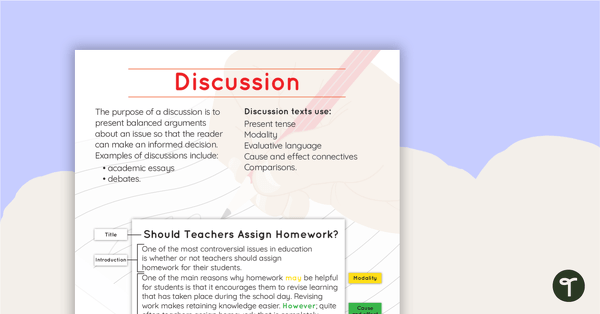
Discussion Text Type Poster With Annotations
A poster about discussions, including an annotated example.
- Plus Plan
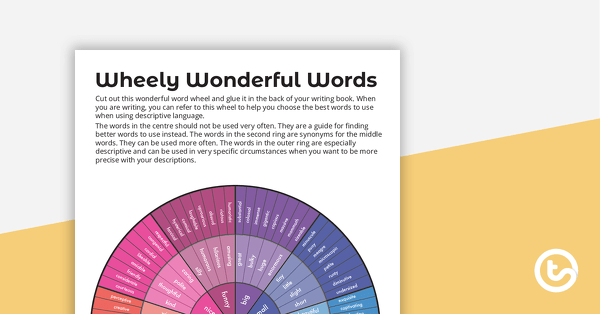
Wheely Wonderful Words – Overused Adjectives
A word wheel of synonyms and similar words that could be used instead of some commonly overused adjectives.
- Plus Plan
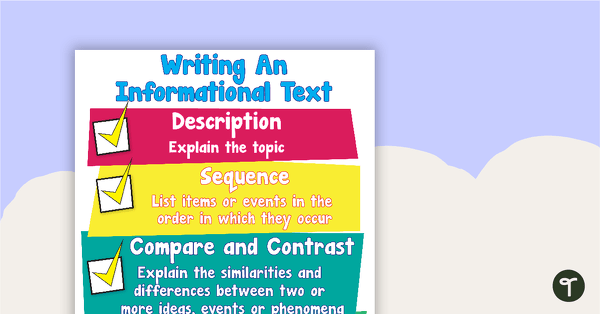
Writing An Informational Text Poster
Display this poster in your room as a visual reminder of the structure of an informational text.
- Plus Plan
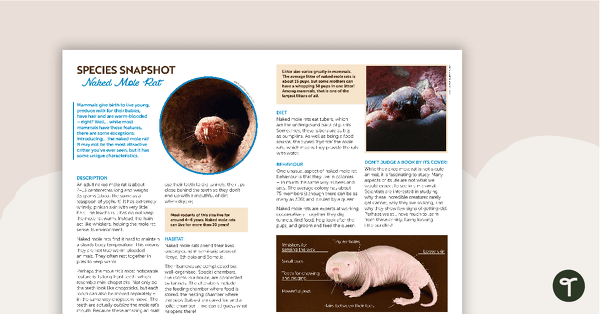
Species Snapshot Worksheet - Naked Mole Rat
A comprehension worksheet for a species snapshot magazine article about the naked mole rat.
- Plus Plan
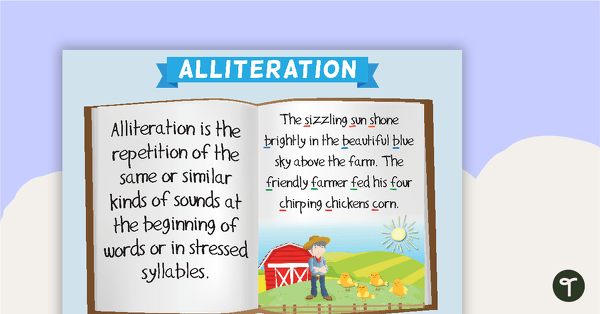
Alliteration Poster
A poster providing a definition and examples of alliteration.
- Plus Plan
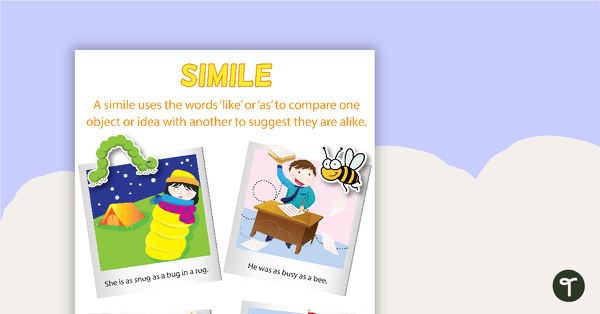
Similes Poster
A poster providing a definition and examples of similies.
- Plus Plan
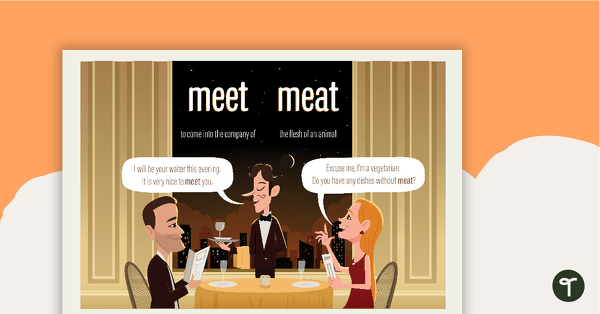
Meat and Meet Homophones Poster
An educational poster for the homophones meat and meet.
- Plus Plan
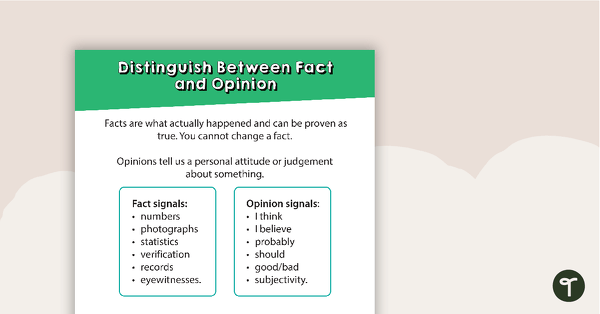
Distinguish Between Fact and Opinion Poster
A poster highlighting how to distinguish between fact and opinion when reading a piece of text.
- Plus Plan
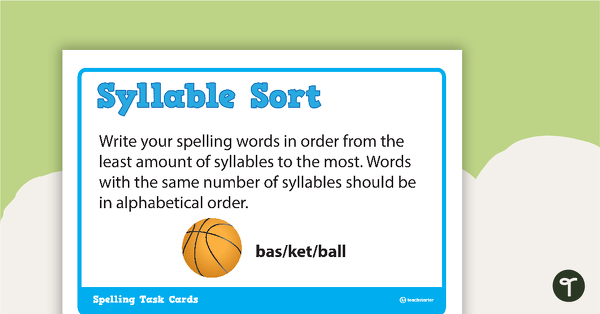
Spelling Task Cards
A set of 57 spelling task cards.
- Plus Plan
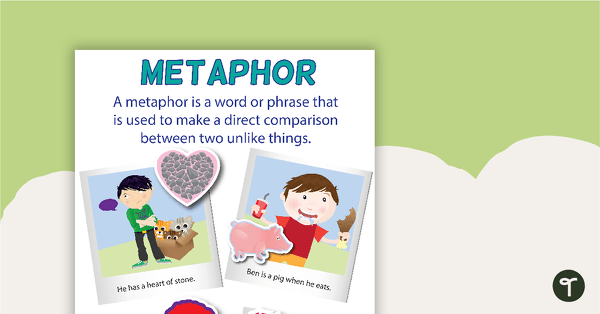
Metaphors Poster
A poster providing a definition and examples of metaphors.
- Plus Plan
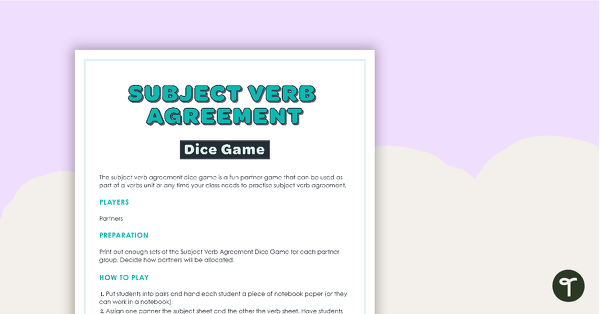
Subject Verb Agreement Dice Game
A dice game for pairs of students to practise subject verb agreement and sentence writing.
- Plus Plan
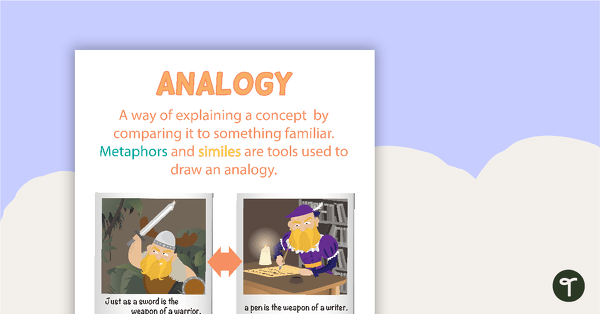
Analogy- Literary Technique Poster
A poster with a description and examples of analogy, a literary technique.
- Plus Plan
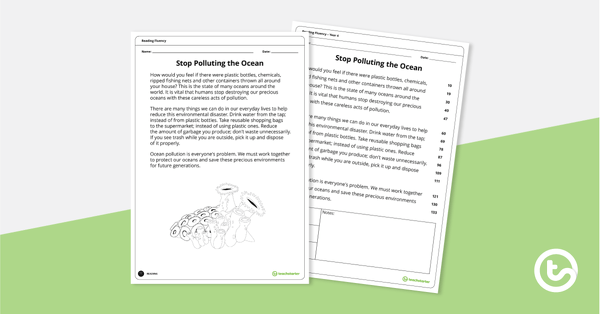
Reading Fluency – Stop Polluting the Ocean (Year 4)
A Year 4 reading fluency assessment.
- Plus Plan
Literacy Book Cover - Version 2
A Literacy book cover to use on your students' workbooks.
- Plus Plan
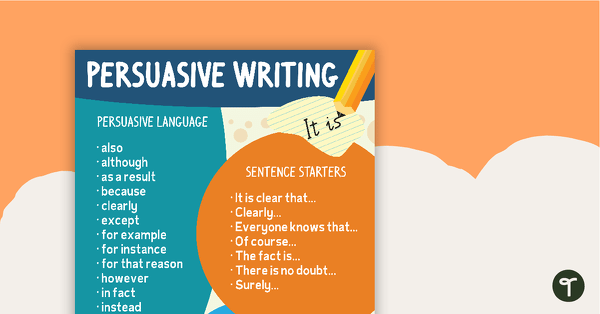
Simple Language in Persuasive Writing Poster
A poster to introduce students to the use of simple language in persuasive writing.
- Plus Plan
English Book Cover - Version 1
An English book cover to use on your students' workbooks.
- Plus Plan
Spelling Book Cover - Version 2
A Spelling book cover to use on your students' workbooks.
- Plus Plan
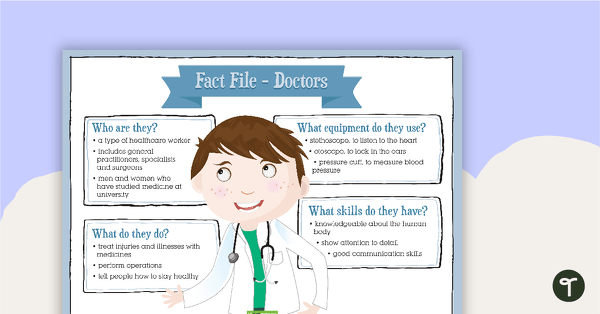
Informative Texts Writing Task - Doctors
A writing activity to help students construct an informative text based on factual information.
- Plus Plan
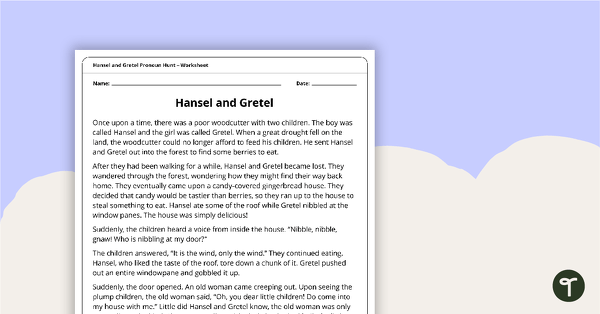
Hansel and Gretel and the Pronoun Hunt - Worksheet
Students get to use ideas in the classic story of Hansel and Gretel to think about pronouns.
- Plus Plan
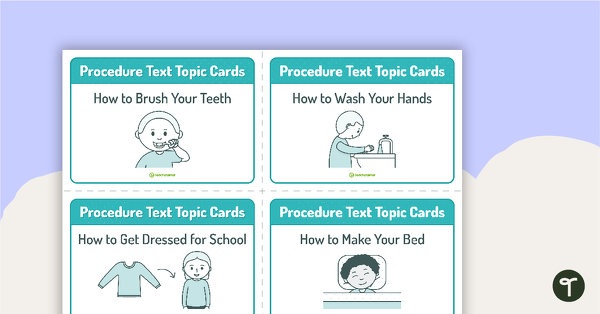
Procedure Text Topic Cards
A set of 20 procedure text topic cards.
- Plus Plan
Informative Texts Writing Scaffold
A scaffolding sheet which can be used to write an informative text.
- Plus Plan
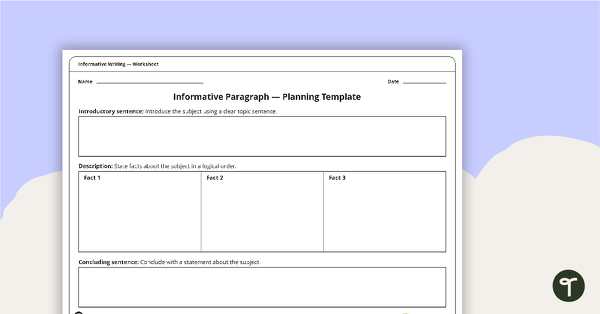
Informative Paragraph Planning Template
A planning template for students to use when writing an informative paragraph.
- Plus Plan
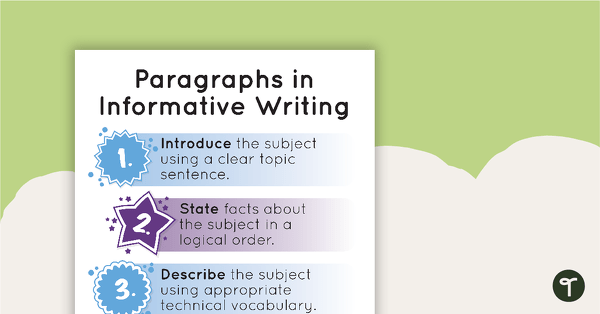
Paragraphs in Informative Writing - Poster and Planning Template
A poster and planning template to use when studying informative texts.
- Plus Plan
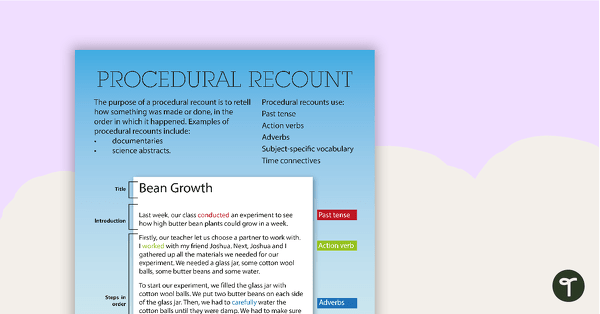
Procedural Recount Text Type Poster With Annotations
A poster about the procedural recount text type, including an annotated example.
- Plus Plan
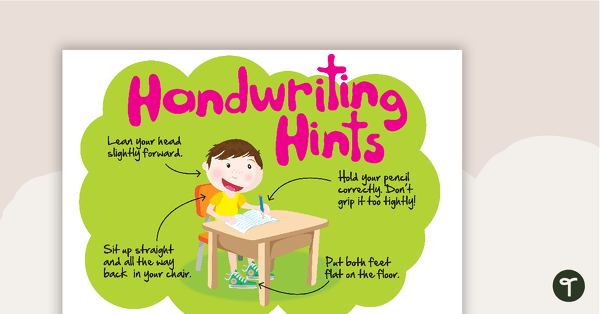
Handwriting Hints Poster
A poster providing helpful hints to produce good handwriting.
- Plus Plan
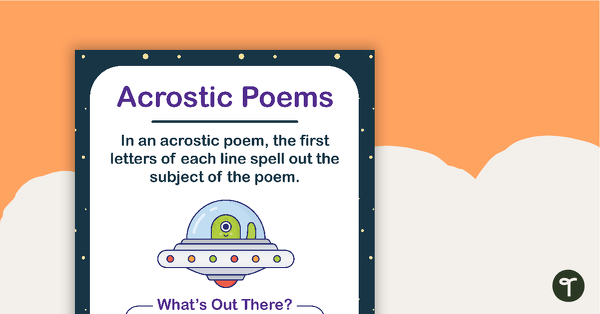
Acrostic Poems Poster
A poster providing a definition and example of an acrostic poem.
- Plus Plan
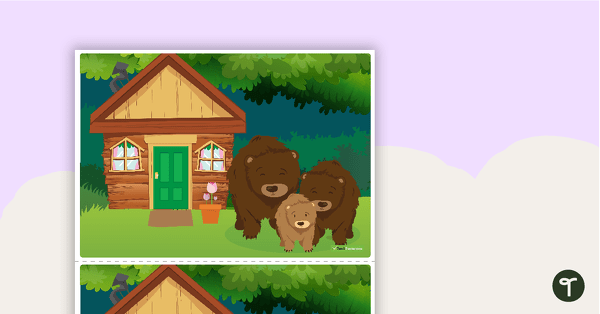
Goldilocks and the Three Bears Sequencing Activity Cards
Use these fairytale activity cards to help your students understand sequencing.
- Plus Plan
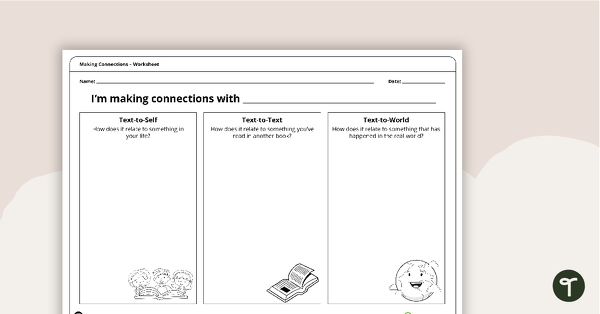
Making Connections - Worksheet
Allow your students to record their connections to a particular text with this Making Connections Worksheet.
- Plus Plan
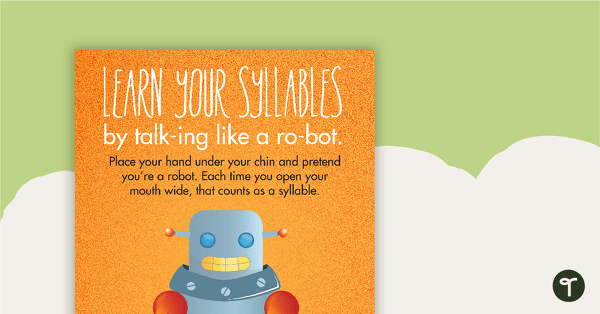
Syllables - Talk Like a Robot Poster
A poster to help your students when learning about syllables.
- Plus Plan
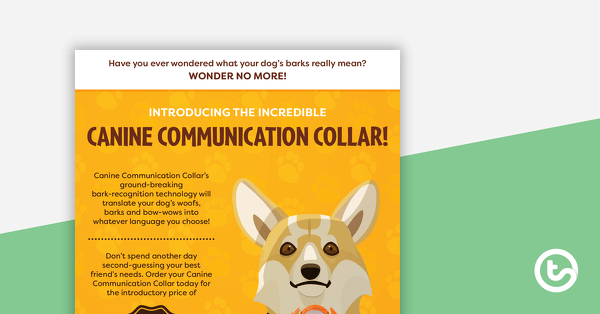
Canine Communication Collar – Worksheet
A comprehension worksheet for a fake advertisement from the Year 4 magazine (Issue 2).