

Classroom Organization: Why It Matters and How to Nail It
Ask any experienced teacher why classroom organization is important, and you’ll get an earful about how it makes life easier and how tricky it can be to get right! When you’re staring at an open classroom and wondering how to whip things into shape, what you really need are solid classroom organization ideas.
That’s where our teacher team comes in!
We’ve pulled together some of the best teacher organization ideas to kick off your school year on the right foot, plus practical tips for creating an organized classroom that supports learning. Read on for advice straight from real teachers who’ve tried these systems themselves (and check out the photos for inspiration).
How Does Classroom Organization Affect Learning?
As Teach Starter contributor (and 13-year teaching veteran) Brittany Collins puts it: organization for school teachers isn’t just about making your life easier. It’s about helping students find what they need, when they need it. No more wasting lesson time hunting for clipboards or headphones — everything has its place. A solid system also teaches kids where and how to put things away, keeping the space tidy and ready for learning.
Ever heard the saying about a messy desk and a messy mind? Turns out it’s true. Research shows that a well-organized classroom makes students feel safe and creates structure, which in turn can improve academic outcomes.
Classroom Organization Ideas to Try
The paperwork will start piling up within hours of Day 1, so get ahead with these classroom organization hacks. From sorting your teacher desk to managing student gear, here are a few of our favorites:
Prep Students’ Desks for Day 1
This is a must, says long-time teacher and Teach Starter Senior Content Producer, Randi Smith. In her classroom, students walk in on the first day to find their desks set up with take-home folders containing all back-to-school information and forms for parents.
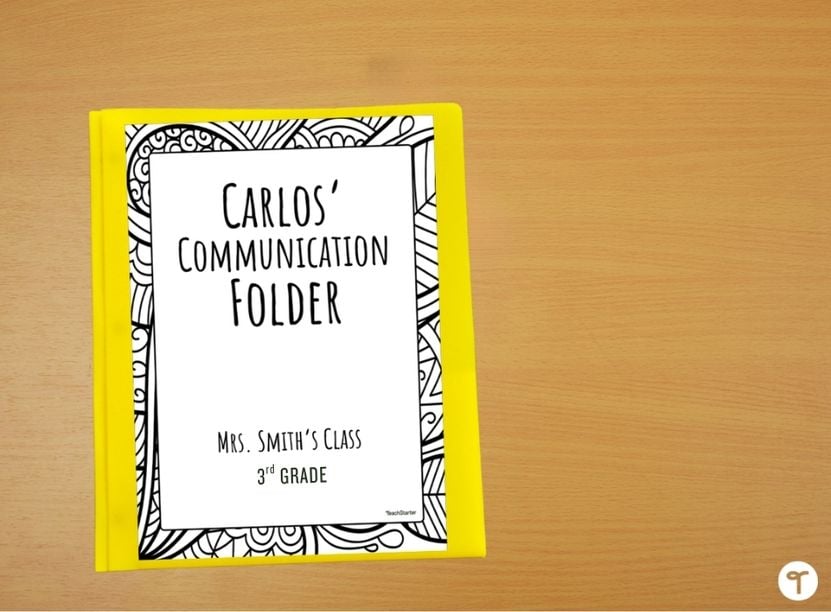
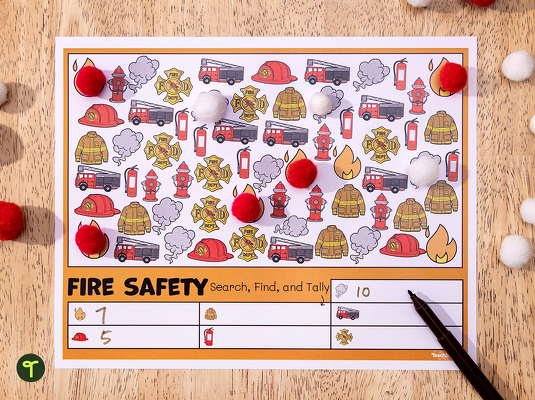
“Interactive notebooks are prepped and labeled ahead of time,” Smith says. “I also had a back-to-school activity mat printed and ready to go on their desks for Day 1.”
Create a Binder for Each Month’s Handouts
File a copy of each handout in the right month’s binder. It makes it easy to grab and copy anything students need — especially for make-up work! Plus, this system makes planning for next year a breeze because everything is already organized by month.
Teacher Tip: Use a page protector for each school day of the month, label it with a tab for the date, and slip all the day’s handouts inside. It keeps everything together and saves your copies from hole punches — too easy!
Assign Classroom Jobs
Want to get students involved in classroom organization from day one? Classroom jobs are a great way to build organizational skills and give kids ownership of keeping their space neat and welcoming.
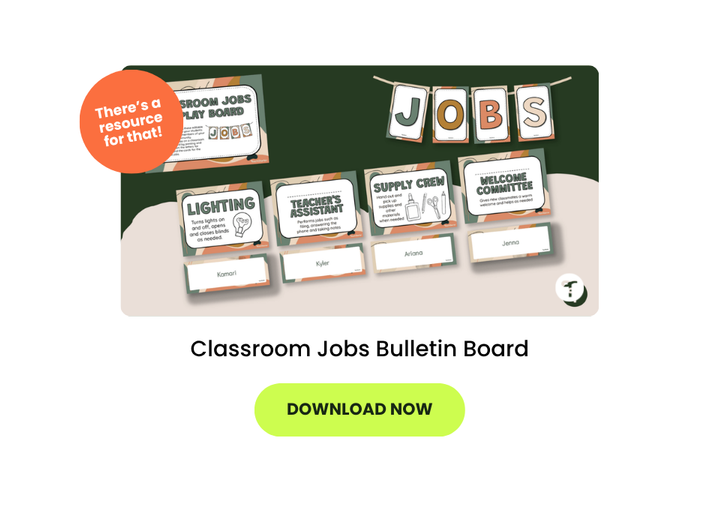
Teacher Tip: Make filling out a classroom job application their first homework task to kick off the year right!
Use Crates for Multiple Classes
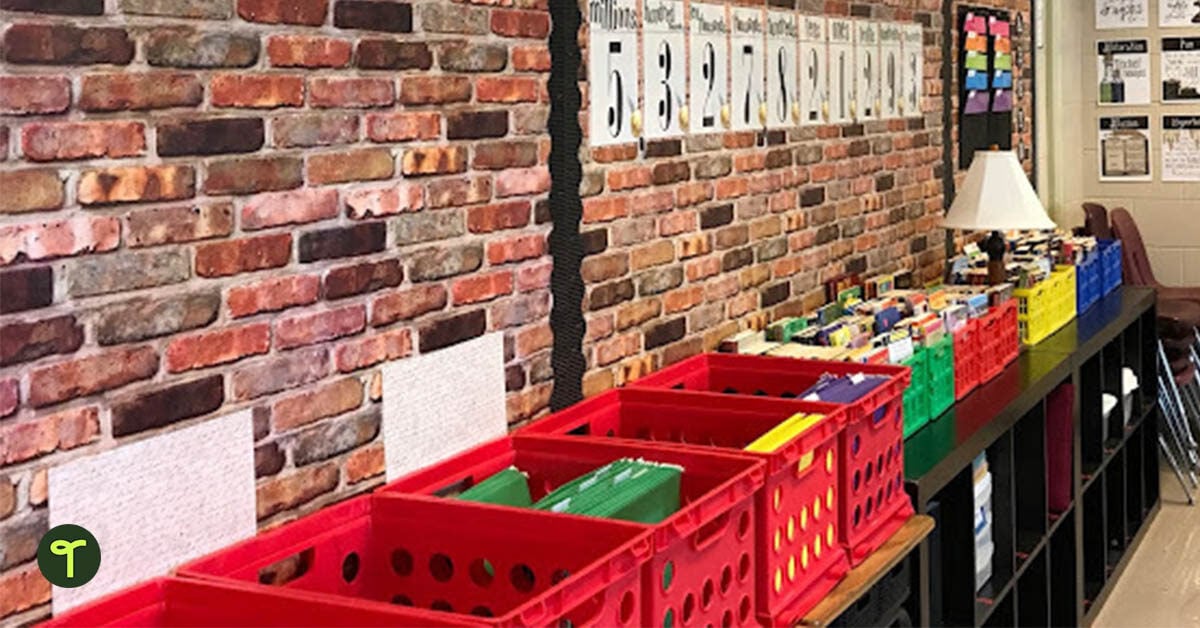
Smith offers this organization tip for teachers who teach multiple classes: Use a crate system!
“Each period of students has a crate. Each crate has a folder for that student,” Smith explains. “In that folder students keep their interactive/spiral notebook, a pencil and any handouts we use/need. That way as classes change, they can walk by, grab their folder and have everything right there.”
Create a Turn-In Tub
Teaching students to be organized is a skill that’ll serve them for life, and this hack does just that — while helping with your own teacher organization.
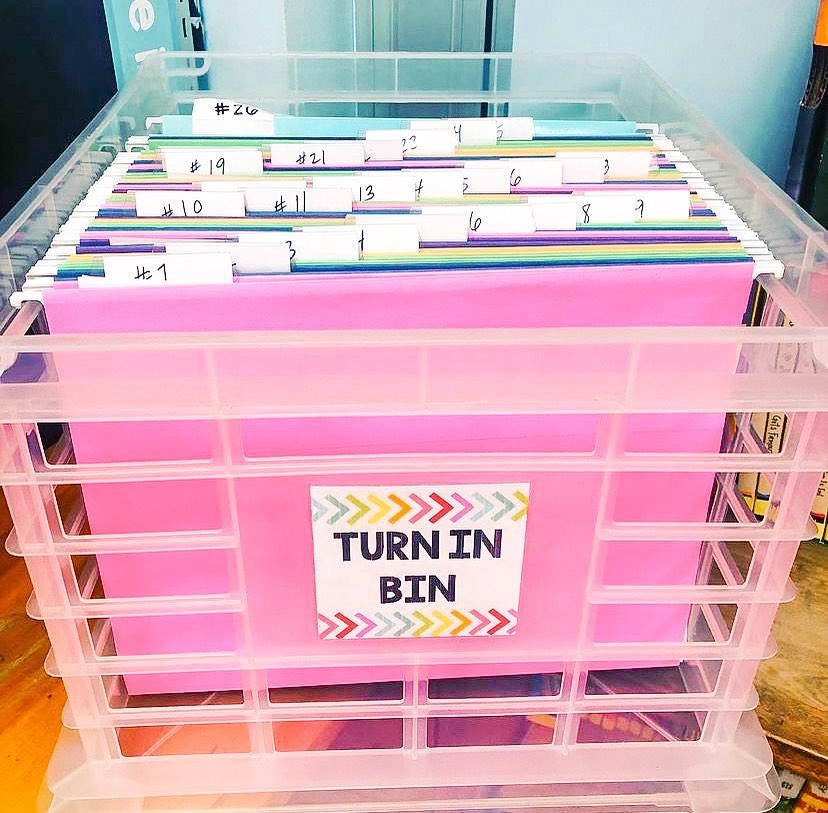
A very clever teacher in Southern California named Paige uses a ‘turn-in tub’ in her classroom with folders labeled for each student. When it’s time to hand in work, students put it in their folder instead of dumping it on the desk (where it’s bound to get lost or cause chaos).
Everything stays sorted by student — amazing!
Set Up “Sharp” and “Dull” Pencil Containers
Make it easy for students to grab a pencil by having two clearly labeled containers: one for sharpened pencils and one for dull. This way, kids know exactly where to drop a dull pencil and get right back to work, leaving the sharpening for the class sharpener to take care of during downtime.
 Organize Your Week in Style
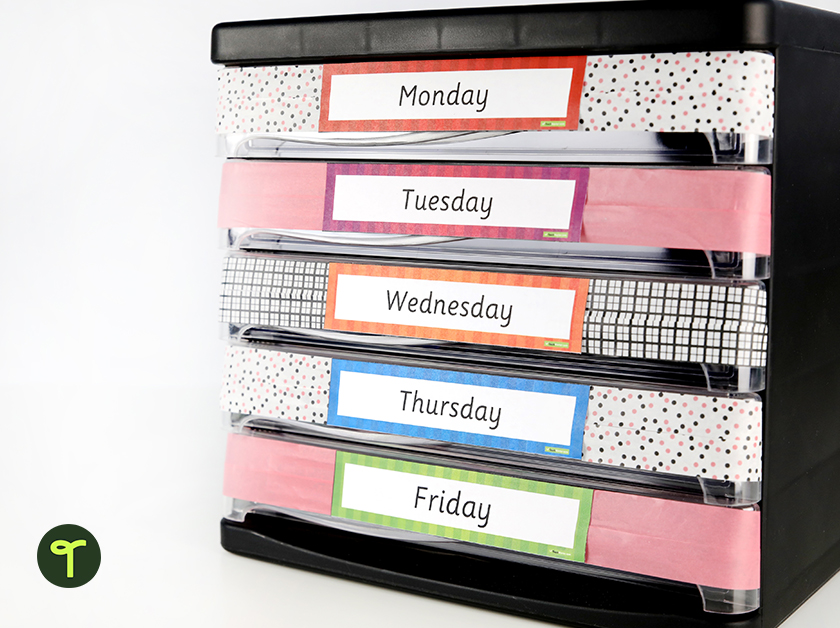
To create this setup, grab a set of five desk drawers (we picked ours up at Target) or two sets of three. Label the extra drawer “Next Week” and use it to stash all the papers you need to copy. Add a pop of color with washi tape, because who doesn’t love a bit of washi? Then, print any of our customizable tray labels for the days of the week.
We printed two labels per page to get the perfect size for the drawers. Now you’ve got a streamlined system for your weekly lesson plans and handouts, ready to go day by day. You’ll thank yourself when things get busy and everything is prepped and waiting!
Teacher Tip: Make it a habit every Friday to prepare and organize your copies for the week ahead, placing them in each day’s drawer. When Monday morning arrives, you’ll be set and ready to go—no stress!
Tame the Paper Pile
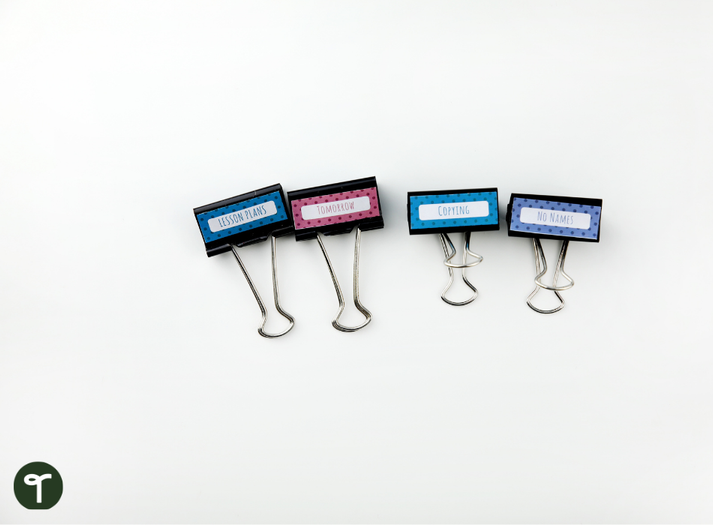
We all know the feeling — your desk starts the day spotless, but by lunchtime it’s buried under a mountain of paperwork. That’s where these printable binder clip label templates come in handy as a clever classroom organization idea to keep the chaos under control.
Organize It All With IRIS Project Cases™
If you’re ready to ditch bulky binders and filing cabinets, IRIS project cases are a game changer for classroom organization. These sturdy boxes can store just about anything — from handouts and lesson plans to class games and center activities. Pop a label on the spine and stack them neatly on your shelves for easy access. They come in a range of sizes, and the snap-close design keeps everything secure and contained, so no more papers slipping out. Clear out those dreaded classroom shelves and keep your space clutter-free!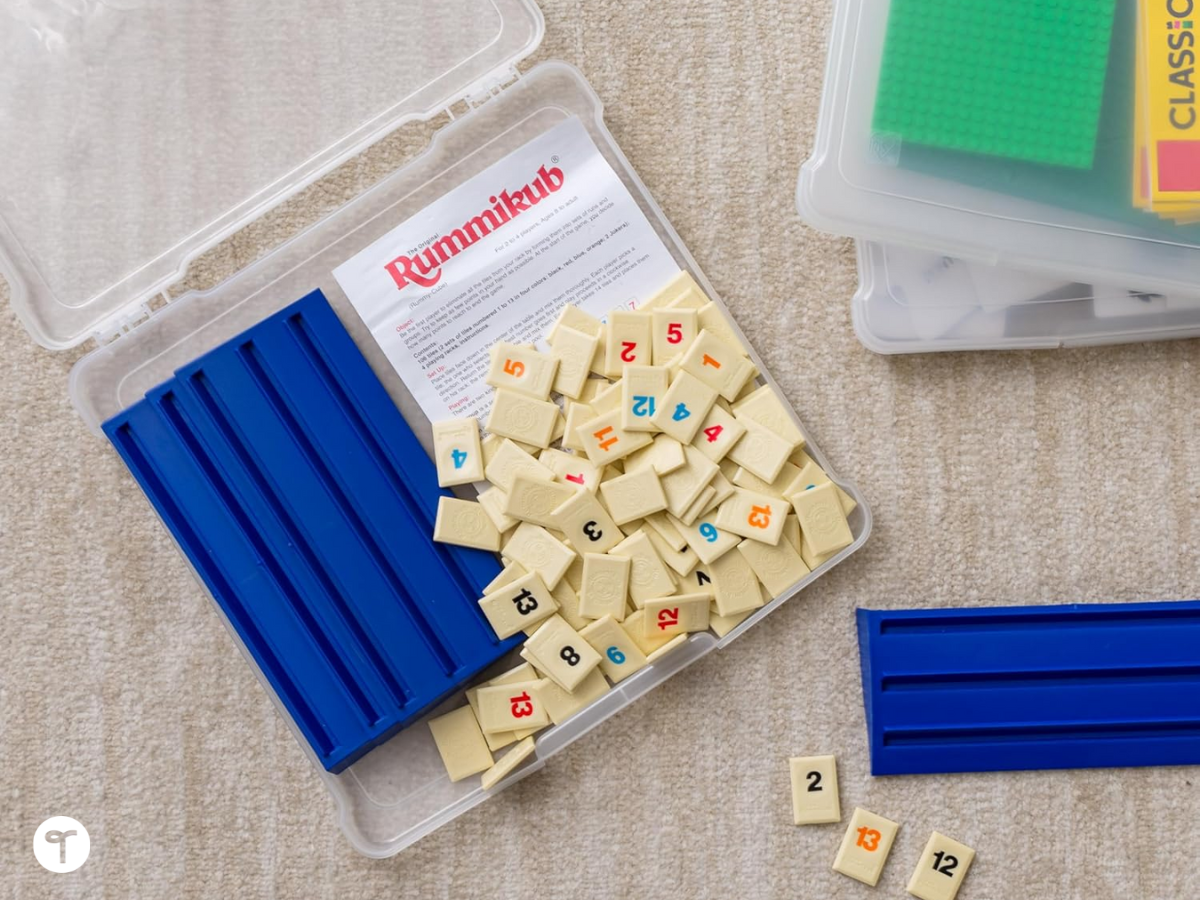
Prep a Substitute Kit
Even the best-laid plans can go sideways — sometimes you know you’ll be out, and other times you’re hit with a bug over the weekend. Make life easier by setting up a substitute kit for your classroom. Grab a sturdy tub or crate (or IRIS project case) and fill it with everything a substitute teacher needs to keep the day running smoothly: lesson plans, class lists, seating charts, and any essential resources.
Having this ready means your classroom stays organized and learning continues without chaos when you’re away.
Here are our top picks to get you started:
[resource:4822651] [resource:143242] [resource:2674958] [resource:1833566]
Don’t Forget Your Digital Desk
Organization isn’t just for your classroom — it’s just as important on your computer. A cluttered desktop with files scattered everywhere can make it hard to find what you need when you need it. Just like your classroom, everything on your computer needs a home. Keeping your desktop clean and organized will save time, reduce stress, and help you stay on top of planning and resources.
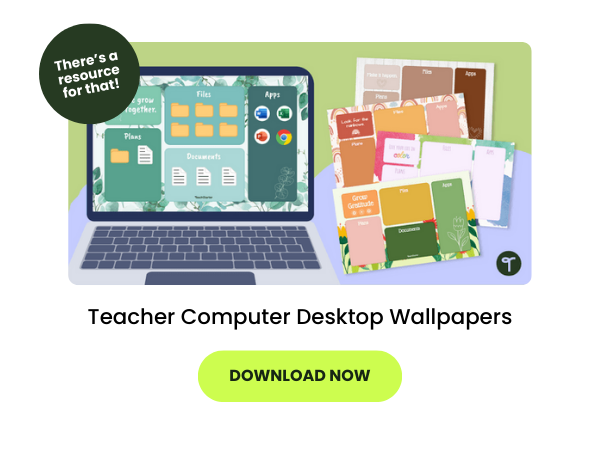
Teacher Tip: Cut down on paper clutter by switching to a digital planner. Check out our Digital Teacher Planner for Google Sheets — with just a few clicks, you’ll have a fully organized teacher planner customized to your needs! It includes over 10 different teacher forms and tools to keep everything in one tidy spot.
Color Coding for the Win
Is there anything teachers won’t color code? Quick answer: nope — and for good reason! Color coding helps students organize their thinking and make connections, but it’s not just for them. It can make classroom organization a breeze too.
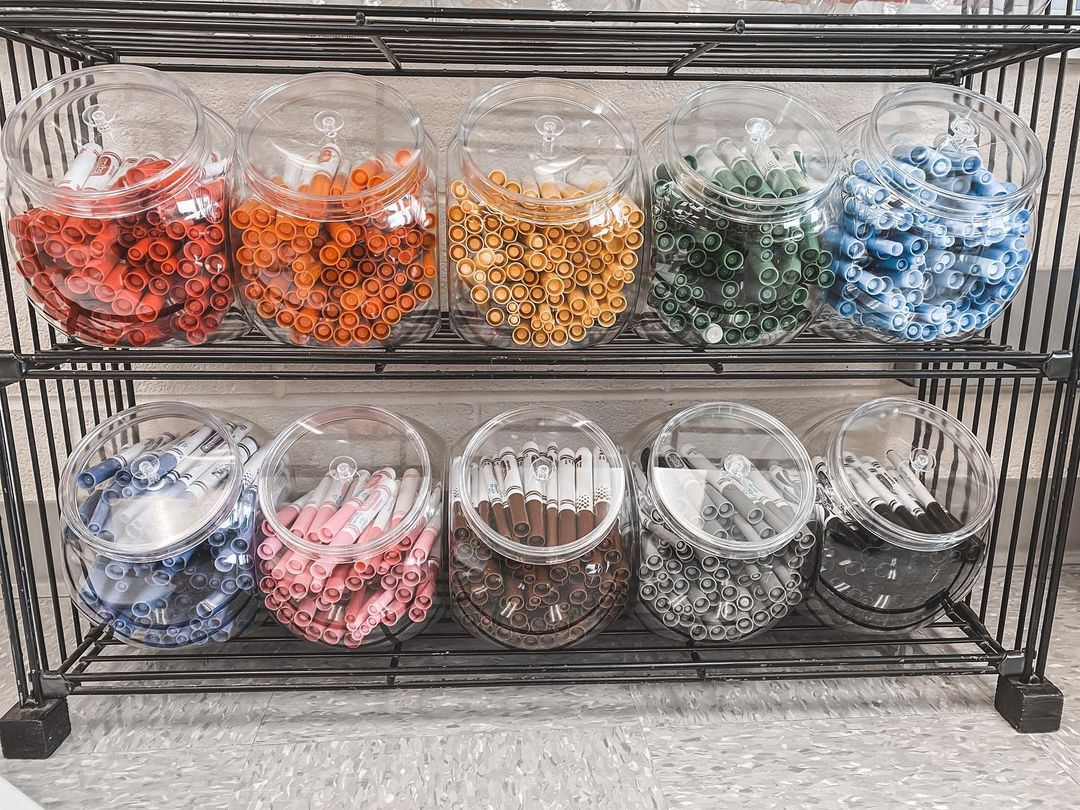
Take this clever idea from kindergarten teacher Mackenzie Lee Fuggett: grab a few plastic candy jars from the dollar store and fill each one with markers of the same color. It’s simple, looks great, and makes it easy for students to return each marker to the right spot.
The Single Sock Hack
Here’s a classroom trick that’s equal parts clever and fun: the single sock dry erase solution! Round up those lonely, unmatched socks (we know you’ve got a stash), and if you need more, ask friends or check your local thrift store. You’ll want one sock per student — not for their feet! Put a dry erase marker inside each sock and hand them out on whiteboard days. Students slip the sock over their non-dominant hand to use as an eraser, and when they’re done, the marker stays tucked inside. No more rogue markers rolling under desks or drying out — it’s storage, an erasing solution, and a bit of fun all in one.
Classroom Closet Organization
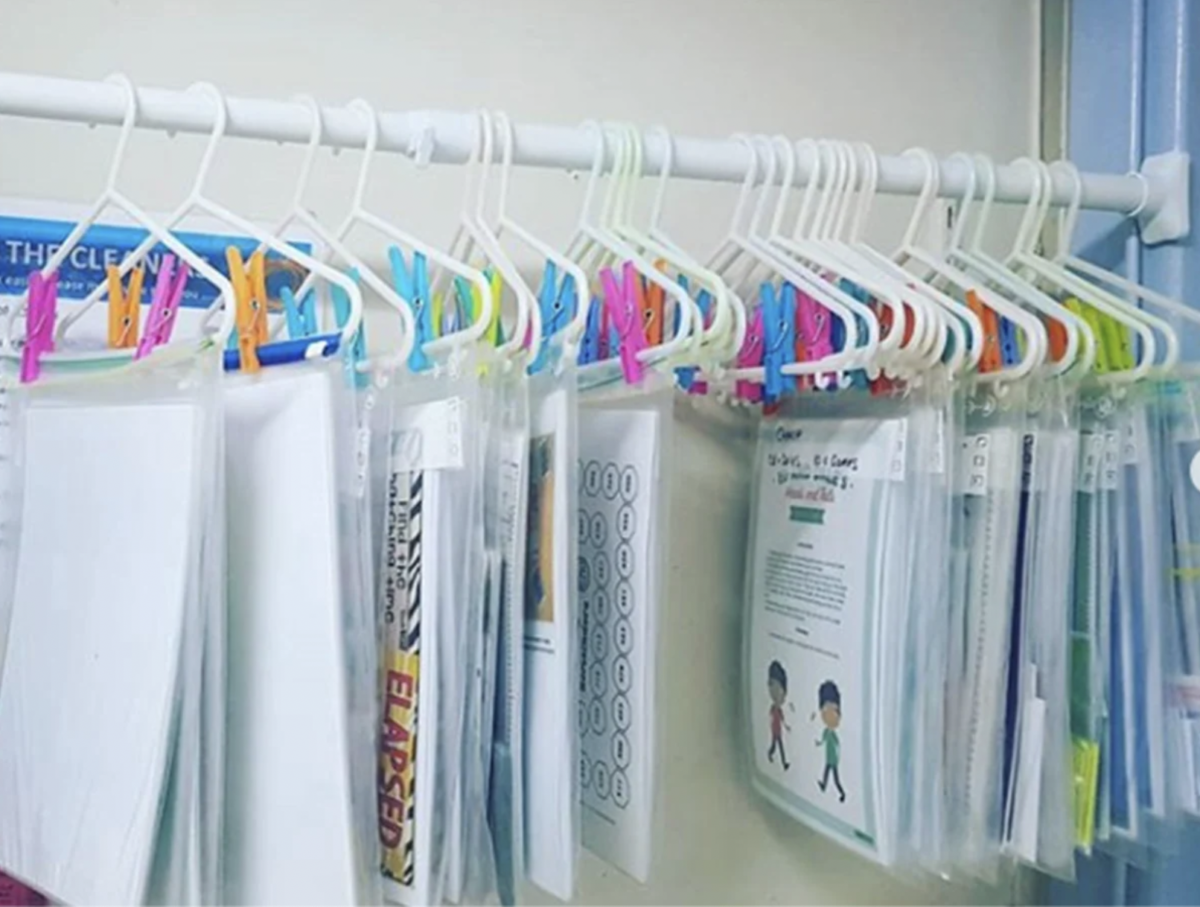
Storing all of those amazing resources that you have spent hours and hours printing and laminating is always a big question we get asked! Of course, you can store them in colored baskets, but sometimes, those amazing resources get forgotten about.
Using hangers and clothes pins is just perfect! It’s another simple, yet effective, solution to ensure you get your use out of those teaching resources you have spent so much of your life creating!
Student-Centered Work Bins
Give students the tools to take charge of their own learning and keep your classroom running smoothly. Set up a few labeled crates or tubs with extra work, make-up tasks, spare supplies — anything they might need — so they can help themselves without interrupting your flow.
Not only does this boost independence and support classroom management, but it also keeps you organized with a clear spot for everything.
Tabletop Organization
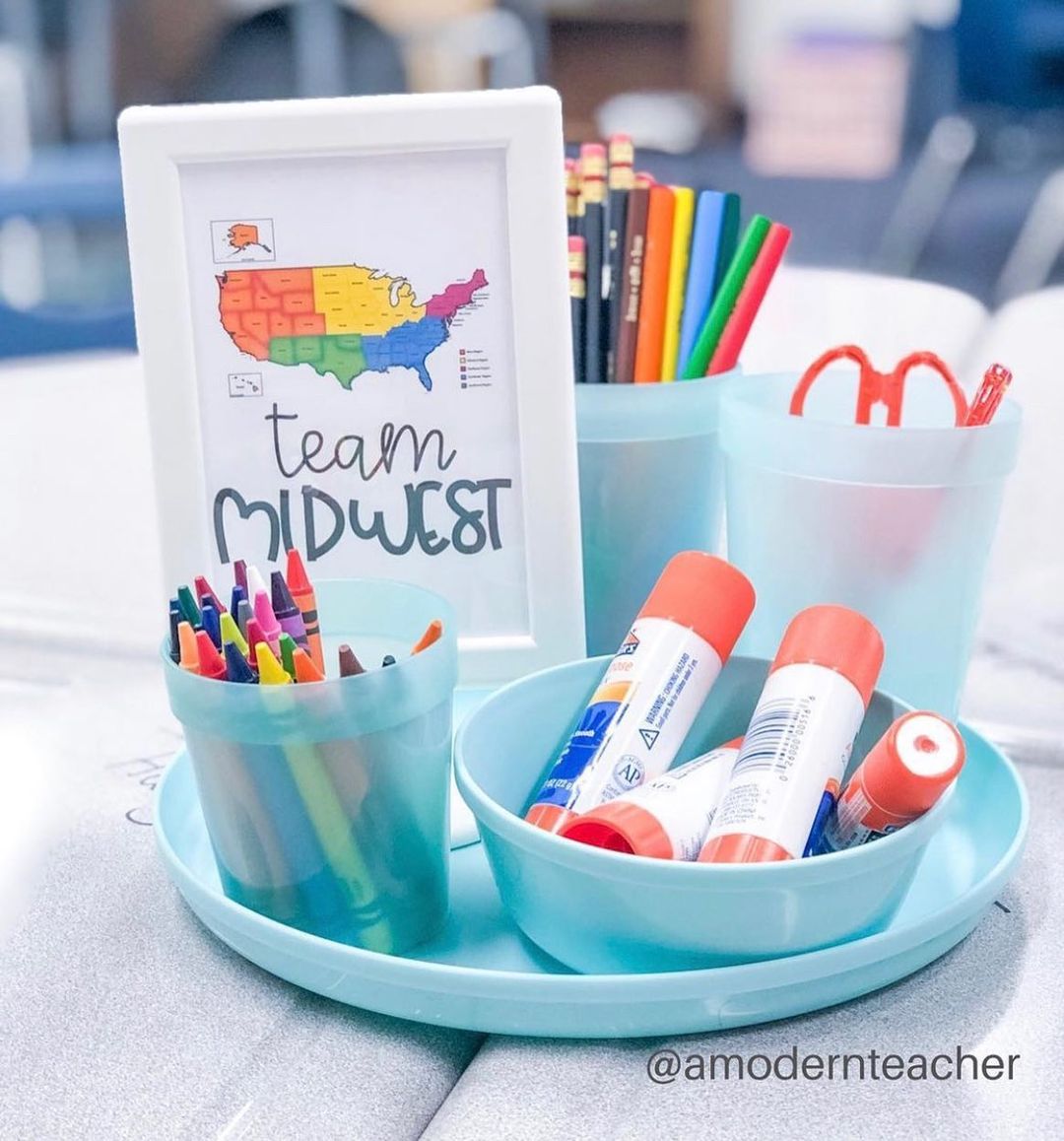
Do you organize your classroom seating in groups or pods? You’re going to need this trick from teacher April of @inseasonspaces. Buy inexpensive plastic plates, bowl, and containers, and hot glue the containers to the plate for easily organized supplies that you can put on each table for your students!
It might take a bit of time to set up these classroom organization hacks, but trust us — they’ll clear the clutter and help you escape that disorganized haze when you glance at your desk or work area!


Comments