
Summer break is winding down, and after some well‑deserved time to rest and recharge, it’s time to start thinking about the new school year. If you’re like most teachers, your mind is already drifting back to that ever‑growing classroom to‑do list.
We all know how quickly that list fills up during back‑to‑school season! That’s why we’ve pulled together a few simple, practical ideas to help you get ready so you can ease into the year feeling prepared, not overwhelmed.
Every task is:
- Simple
- Useful
- Designed to help you get classroom-ready without the stress
12 Practical Back to School Prep Ideas for Summer Break
This isn’t a strict checklist. Far from it! Think of it as a collection of practical suggestions for your back-to-school prep. Ticking off a few of these tasks over the summer can make life a whole lot easier when you’re back for in-service week and the prep begins.
FOR SCHOOL
(1) Prepare Students’ Desk Plates, Name Tags, and Labels
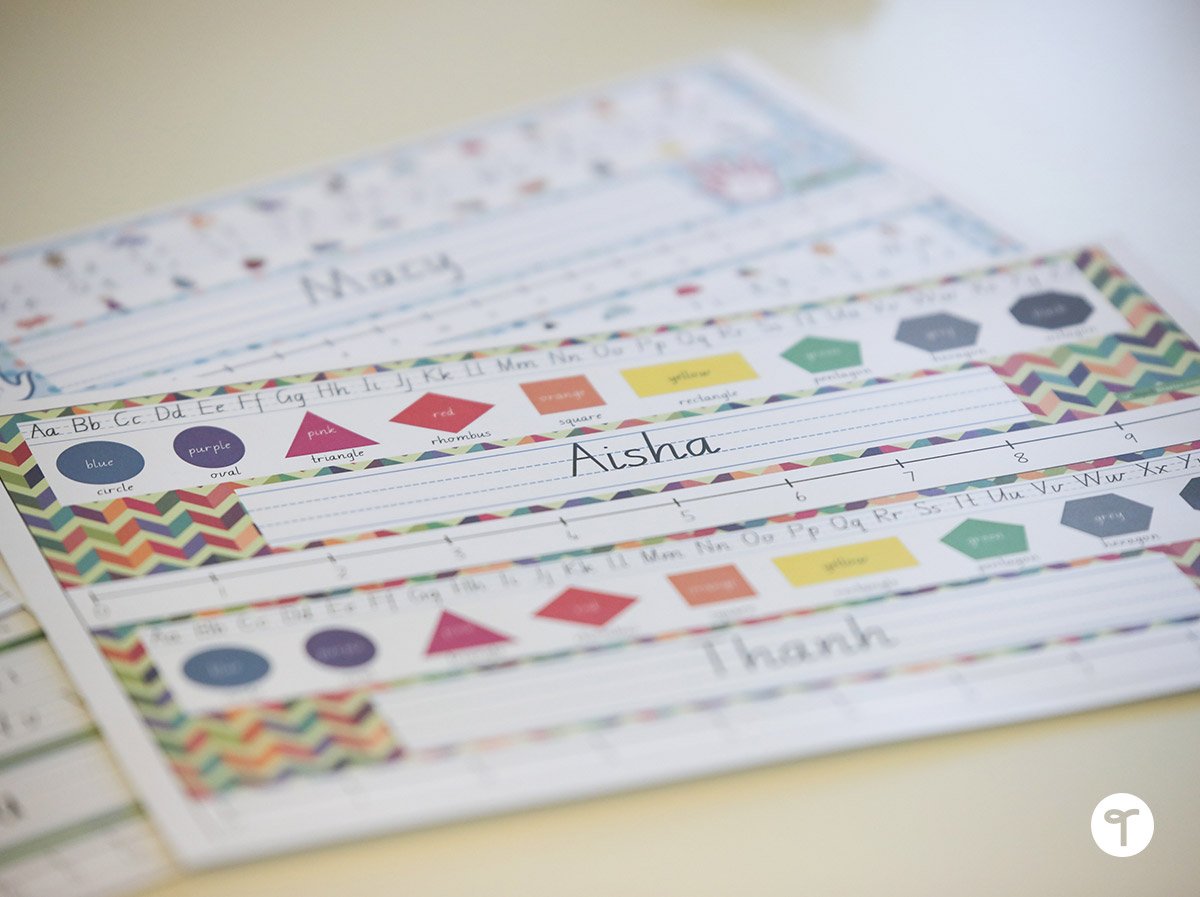
Once you have your class list, you can begin to prepare desk name plates and any of the labels you will need for your new class.
Teach Starter Top Tip:
To create a customized set of desk name plates, start by choosing the Google Slides version you’d like to use. Select your preferred layout, then duplicate the slide as many times as needed for your class. Add your students’ names to each slide, and when you’re done, download the file as a PDF. Your personalized desk name plates will be ready and saved to your computer’s Downloads folder.
 (2) Prepare Your Classroom Calendar
There are lots of benefits to having a classroom calendar visible for your students. We have a variety of classroom calendar resources that can help you set up something that can be used as a teaching tool in the new year.
Here is a selection!
[resource:5018634][resource:4388434][resource:4885179]
(3) Make a Birthday Chart
When your new class walks in and sees their birthday already featured proudly on the wall, they will love it! This is a fun little job to get done over summer break.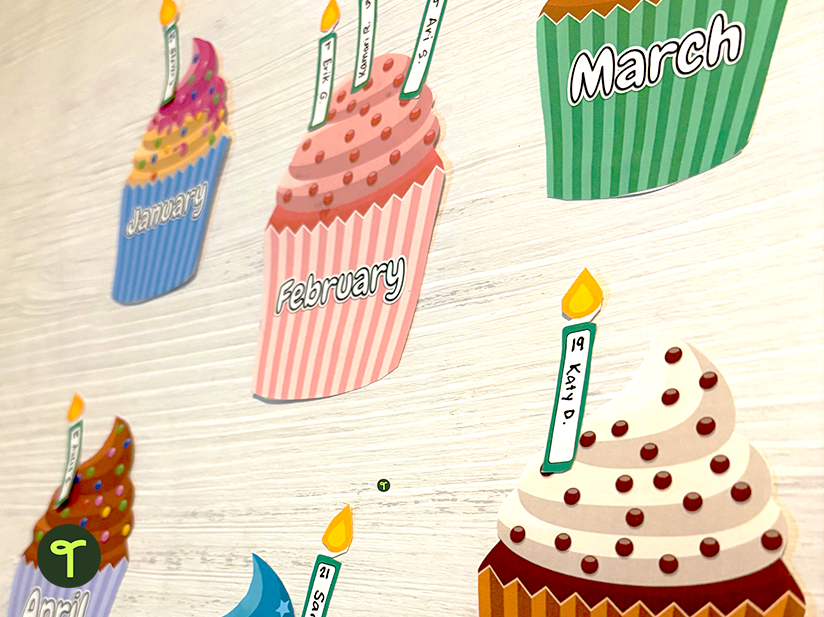
Check out even more of our birthday resources for fun ways to begin this part of your classroom decoration.
[resource:5130180][resource:2672966][resource:5040962][resource:4538678]
(4) Prepare Student “First Day Welcome Kits”
You may like to create a little welcome pack for each student. A welcome kit is a simple pack you place on each student’s desk for their first day. It gives them something to do as soon as they walk in, helping reduce nerves and boredom while you manage the arrival chaos.

These kits set the tone for an organized, positive classroom and can include quick activities or icebreakers to start building community right away. They’re a great way to keep students engaged while you greet families and settle everyone in smoothly.
Some ideas for things you could include in each student’s welcome kit:
- a welcome letter from YOU!
- an “All About Me” activity sheet to complete
- a bookmark or a positive affirmation card
- a back-to-school activity mat
- a small back-to-school treat with a fun gift tag
- a back-to-school coloring page
- a back-to-school word search.
Teach Starter Top Tip:
Kick off the new school year with a fun activity that helps students learn who’s in their class! Use our Word Search Generator to create a word search featuring all your students’ names. It’s a simple way to break the ice and build a sense of community right from day one.
(5) Set Up Your Data Tracking System

Before the school year kicks off, it’s worth considering how you’ll track your. students’ progress. A good system will save you time with reporting and help you spot learning gaps early.
Start by asking yourself:
- Which system will be easiest for me to keep up with every day throughout the year: paper-based or digital? (The best system is the one you’ll realistically keep using.)
- Do I want my students to track their own progress as well? (This can be a great way to build ownership and motivation!)
Once you’ve answered these, start planning the basics. You will want to start small by deciding what you want to track, choosing one simple format, and setting a realistic routine for updating it. A data system only works if it’s easy enough to maintain.
Teach Starter Top Tip:
If you can’t explain why you’re tracking something in one sentence, don’t track it!
Once you’ve decided all of this, set up a simple, ready-to-use version of your system – even just a basic template with student names and one or two columns. It doesn’t need to be perfect or finished. Having something in place means you can start recording information right away in Week 1 and refine it as the year unfolds.
Here are a few of our favorite data tracking templates to get you started:
[resource:5128831] [resource:5089977] [resource:5095365] [resource:4823257] [resource:5092914]
(6) Set Up Your Filing System
Once you’ve sorted out how you’ll track student progress, it’s time to think about where all that information (and everything else) will live. A solid filing system will keep you organized when the paperwork starts rolling in and make life easier when new students join your class.
PAPERS
Regardless of how hard you work to reduce the amount of paper generated during the school year, there will always be student work samples, tests, and other papers to file. Spend time preparing a filing system with your new students’ names. How you organize your files will depend on what works best for you.
Teach Starter Top Tip:
Keep in mind that when new students arrive, you will need to “slot” their file in among the rest of your class files. Set up a filing system that makes it easy to manage a rejuggle of alphabetical order!
ELECTRONIC
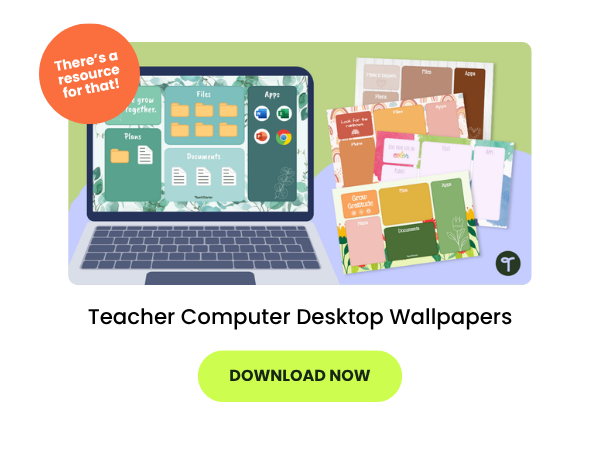
Don’t forget all of your computer files, too! Take a little time to set up the folder structure you need to store your electronic files throughout the year. Doing this during summer break means that when school returns, and with it the frantic mania of the first few weeks, you won’t end up with a single folder or desktop full of files that never make it into their proper electronic home!
 (7) Figure Out Your Classroom Expectations
Veteran teachers will tell you: having a solid system of classroom procedures in place from Day 1 can make or break your year. Your students need to know what to do, where to go, and how to move through their day without confusion.
Summer is the perfect time to think this through, because once school starts, it’s easy to feel rushed and settle for systems that don’t really work for you. Taking time now means you’ll start the year calm and confident, instead of scrambling to fix routines later.
Don’t you wish there was an easy way to figure out which procedures to teach and track what you’ve covered? Wish no more! We’ve created a Free Classroom Procedures Checklist that includes the big routines and those tiny details that often get forgotten—but can derail a lesson if they’re not taught. Download it now and start your year strong!

(8) Get Your Tech On
Summer break is the perfect time to get your tech sorted for the new school year. If you’re planning to use a digital parent communication tool, setting up accounts now will save you time and stress when the school year rolls around. It’s one less thing on your back-to-school prep list!
You might be setting up tech-based communication and learning experiences using platforms such as:
- The Seesaw app
- Class Dojo
- A private Facebook group
- A class newsletter.
Here are a few of our favorite newsletter templates:
[resource:4976251] [resource:4985759] [resource:4984785]
Teach Starter Top Tip:
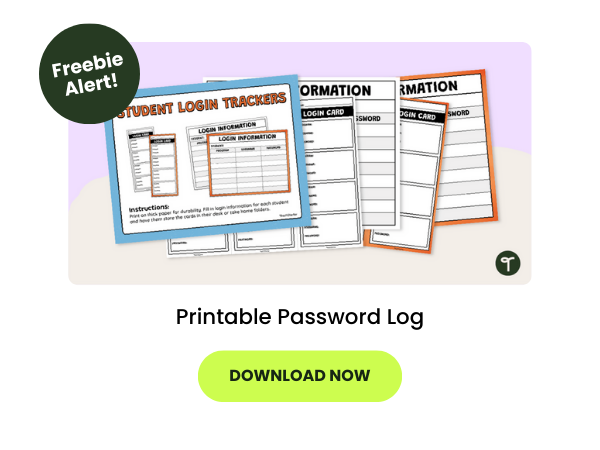
Create a master list of student logins and passwords for all the digital subscriptions your class will use. Having this ready to go will make life so much easier when you’re helping students log in during those first few weeks.
(9) Shopping!
The magnetic pull between a teacher and a big-box store is strong—Office Depot, Walmart, Target, you name it! You’ll definitely end up at one of these stores at some stage during your summer break, so figuring out what you need to get organized for your new class is a must.
Teach Starter Top Tip:
Plan it out! Heading into your local office supply or home organization store without a shopping list is like buying groceries when you’re hungry. You’ll end up spending much more than you need.
TEACHING TOOLS & HANDS-ON RESOURCES
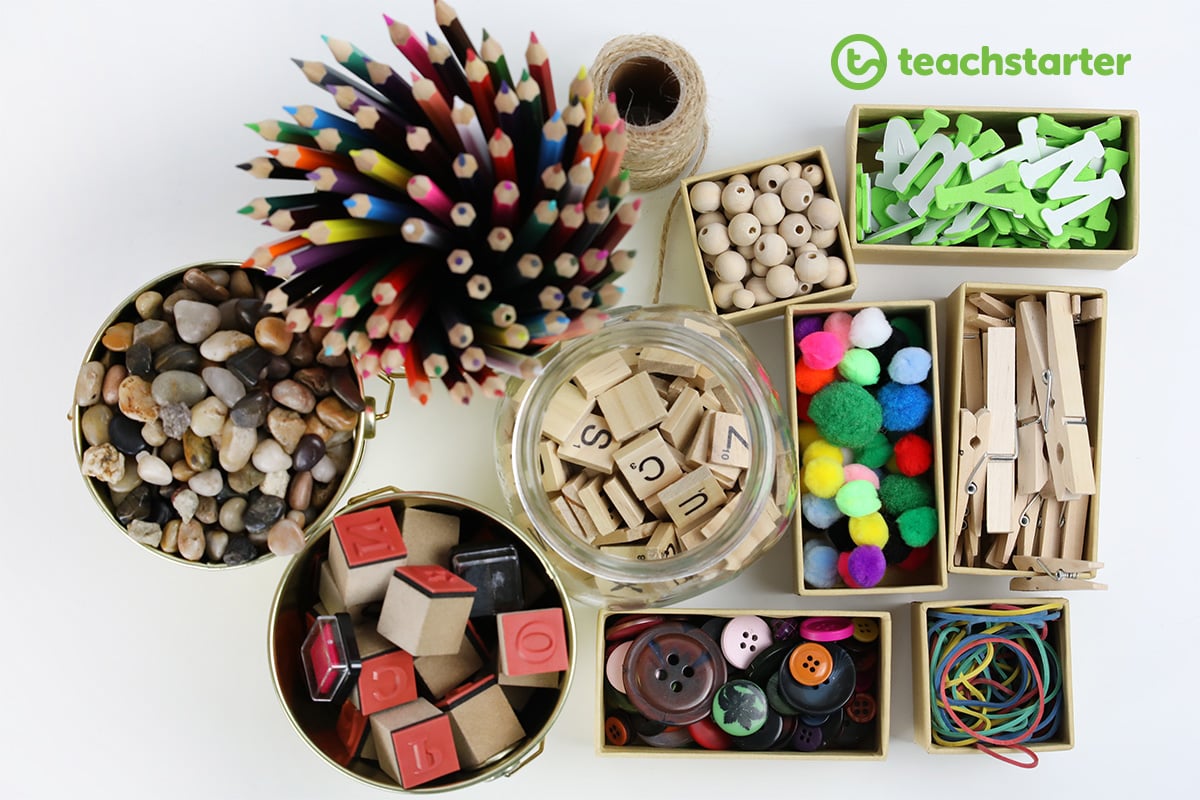
Think about last school year and the kinds of tools or hands-on resources you know would have made your teaching life easier. Extra sets of dice? Playing cards? Magnifying glasses? Math manipulatives (base-10 blocks, counters, fraction tiles, connecting cubes, etc.)?
CLASSROOM DECOR & STORAGE
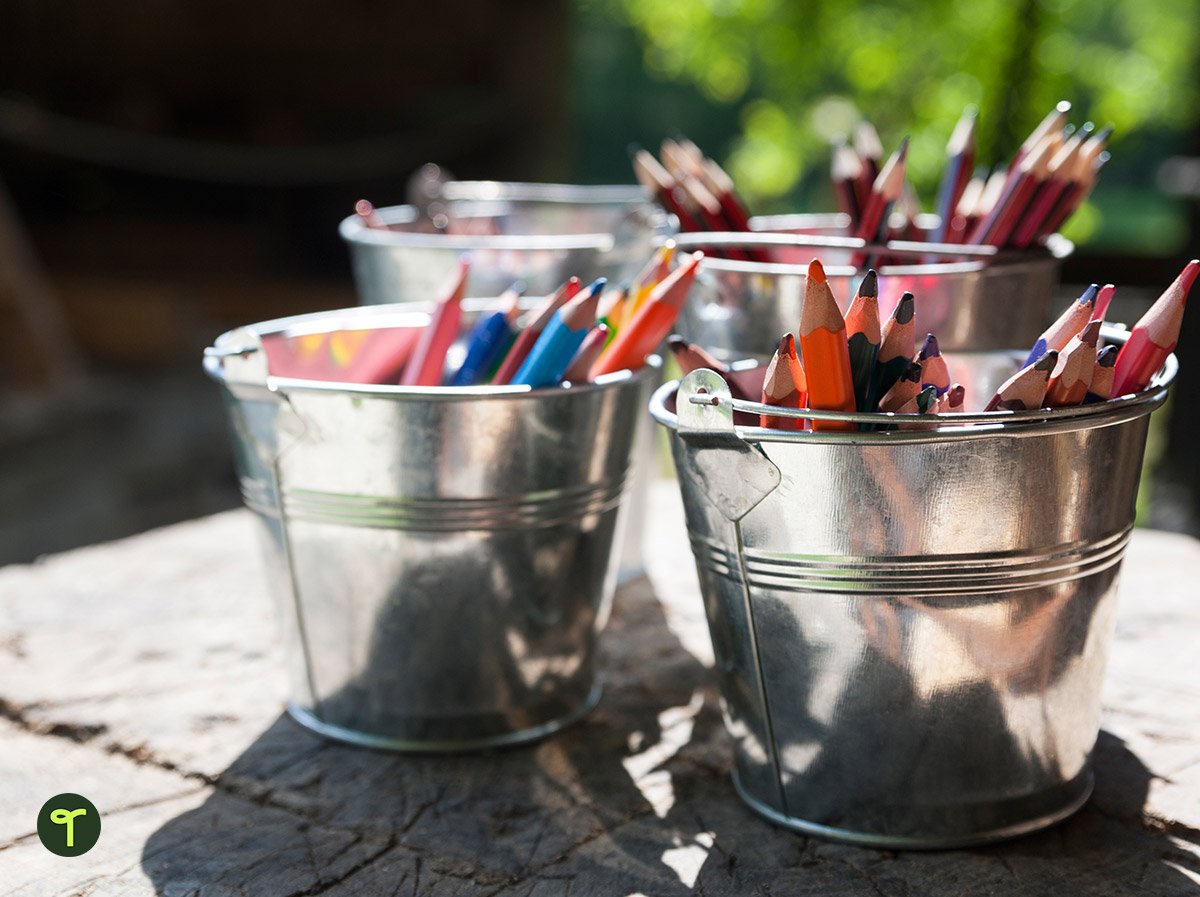
Are you already thinking about changes you might make to your current classroom setup? Here’s what you need to do!
- Get inspired! Think about the display and storage spaces available in your classroom and what you need to store. Take a look through some classroom organization ideas to help you figure out the best way to display materials and store resources in your classroom before you head to the store.
- Choose a color scheme. Think about whether you love rainbows or would prefer to go with fairly neutral storage containers, boxes, and bulletin boards. You can always mix up the vibe of your classroom by adding a new color scheme through display borders and labels. Check out our classroom organization and display resources before you decide on what to buy.
- Get creative! Using paper tableclothes from party shops, fabric, or even flat sheets is a fantastic way to create vibrant bulletin board backgrounds without blowing the budget. These options are easy to work with and give your classroom a fresh, colorful look.
Print out your bulletin board letters and get those boards ready for the amazing displays you’ll add throughout the year!
FOR YOU
(10) Cook Some Freezer Meals
Teaching is a crazy job. During the school year, it has got to be one of the busiest working lifestyles around. Busyness can easily lead to the demise of making time for “simple” things like eating well.
Doing some meal preparation during summer break is one way to reduce the amount of “I’ll just get takeout” paper bags that might end up in your trash can, and should have you eating more than a grilled cheese sandwich when school gets really busy!
Take a look through these great lists of meals you can prepare and freeze, ready to defrost and eat, as well as tips for cooking less and eating at home more.
- 25 Freezer-Friendly Meals for a Long Weekend
- 50 Fabulous Freezable Lunchbox Fillers
- The Cook Once, Eat All Week Easy Meal Prep Plan
(11) Take Time to Reflect

While it’s easy to spend a fair chunk of the summer doing things to prepare for the new year, it’s important to take some time to reflect on the year you’ve just finished. Time spent in peaceful reflection isn’t time wasted. In fact, when you spend time thinking about what went well last year (and what didn’t go quite so well), it will help you refine how you spend your time and efforts in preparing for the new year.
Here are a few questions to get you started:
- What took way too much energy this last school year?
- What worked well that I should repeat?
- What do I want to simplify this year?
- Which classroom routines worked really well, and I want to keep?
- Where did things fall apart most often (ie, transitions, fast finishers, pack-up, etc.)?
- What systems relied too much on me instead of student independence?
- What boundary slipped last year that I want to protect this year?
(12) Plan ME Time!
Finally, and most importantly, in preparation for the new teaching year, take time to figure out when you are going to take time out when school returns. When the momentum of school returns, it’s far too easy to put yourself last. And this? This is what leads to teacher burnout.
Be proactive and plan time out for the coming school year. Whether it be booking a weekend or two away or purchasing a pass to a weekly yoga class, make concrete plans and stick to them.
Teach Starter Top Tip:
There will always be something that makes you feel like you can’t take that time for yourself during the school year. Know that even if you take that few hours a week, or weekend every now and again just to tap out of “teacher life” and tap back into “you”, the rest will still all happen as it needs to.
Before you dive into planning, give yourself permission to rest – without guilt! Being rested is part of your preparation. A calm, energized teacher in Week 1 will always beat a perfectly planned one.
When you’re ready, we’ve got ideas, tips, and resources to help you make the most of your time and start the year feeling confident and organized.

Comments